
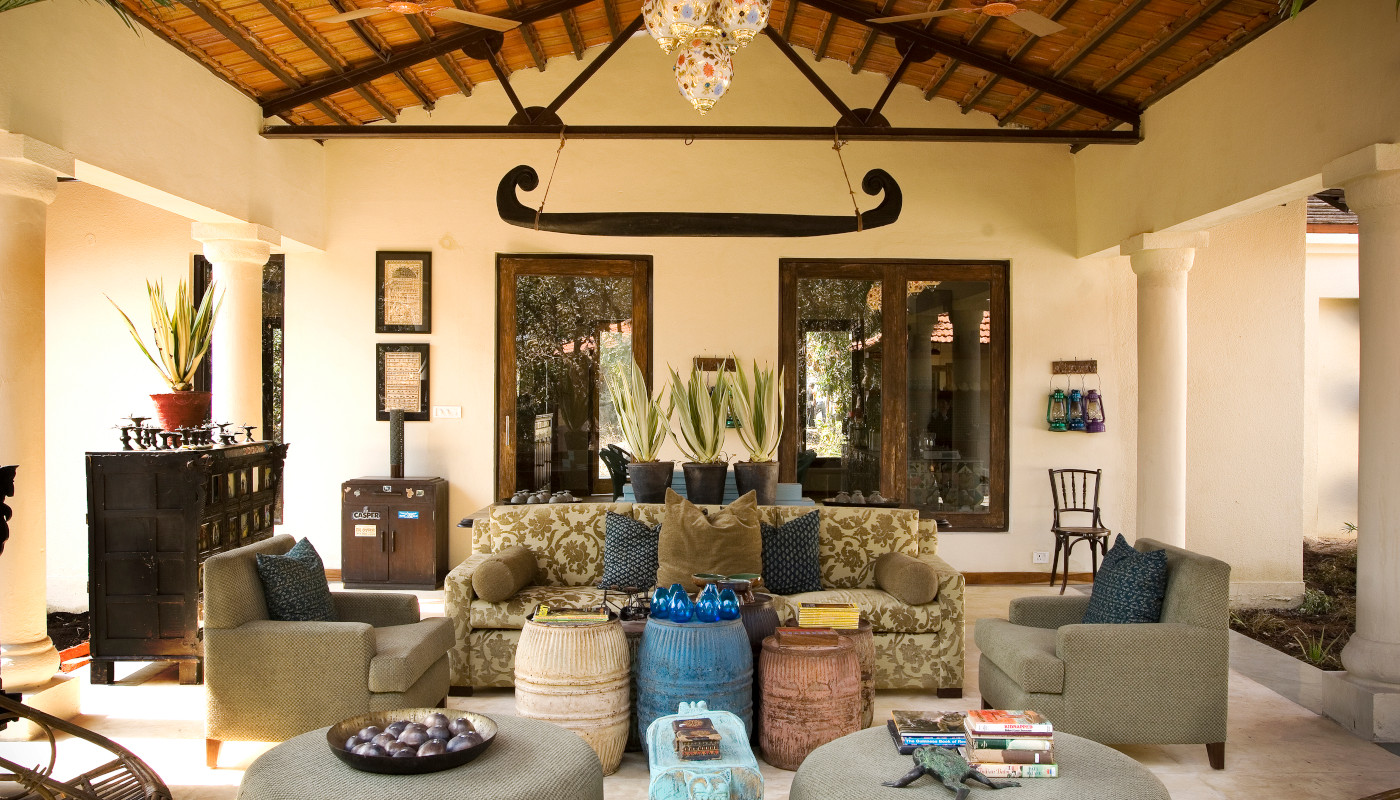

Baghvan, a Taj safari
STYLE
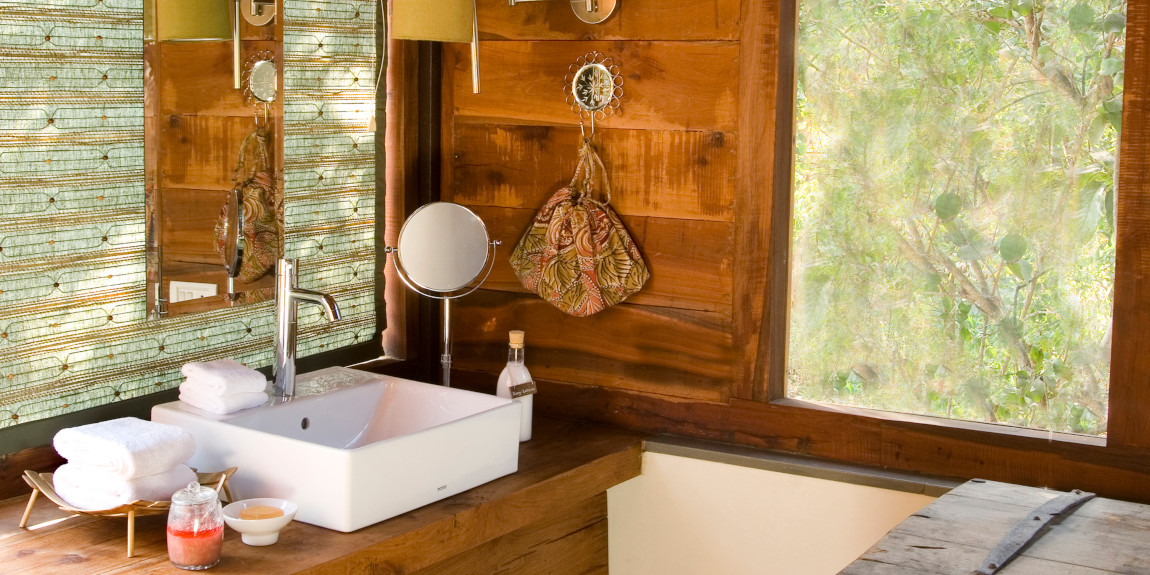
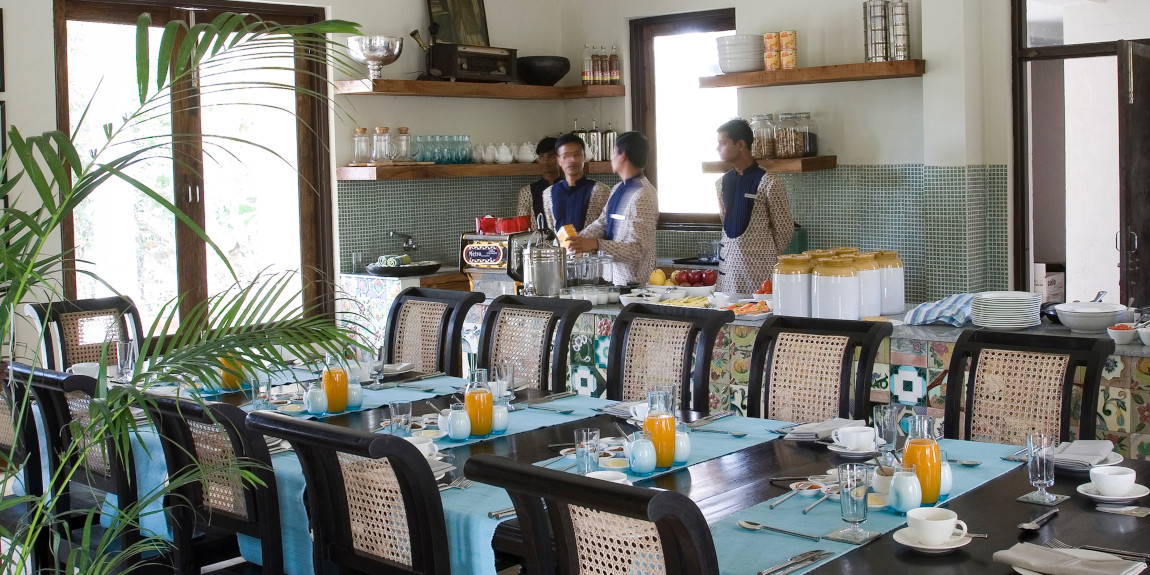
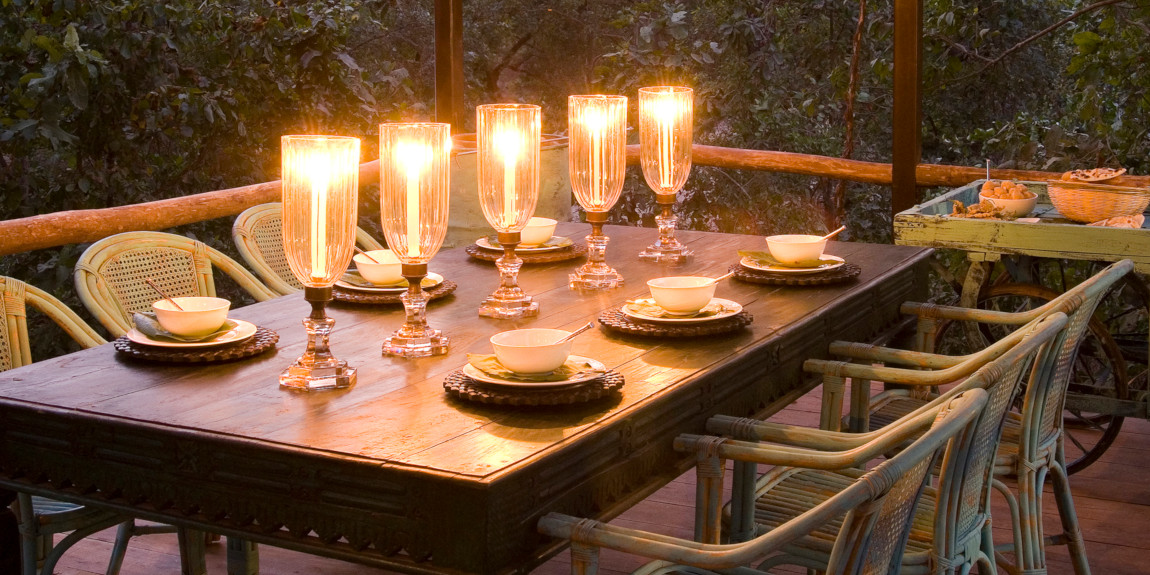
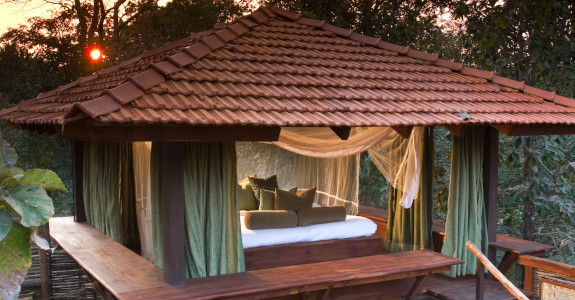
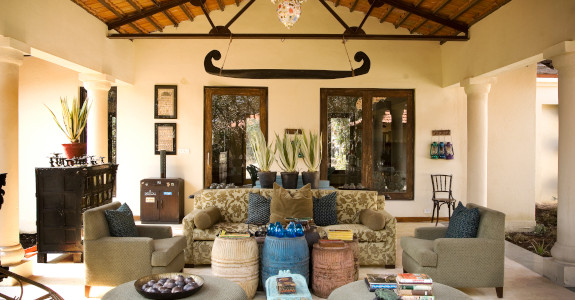
An intimate lodge with a 1950s Indian retro vibe
SITUATION
In the south of Madhya Pradesh state, near Pench National Park
CAPACITY
12 bungalows overlooking the forest and a dry riverbed
HIGHLIGHTS
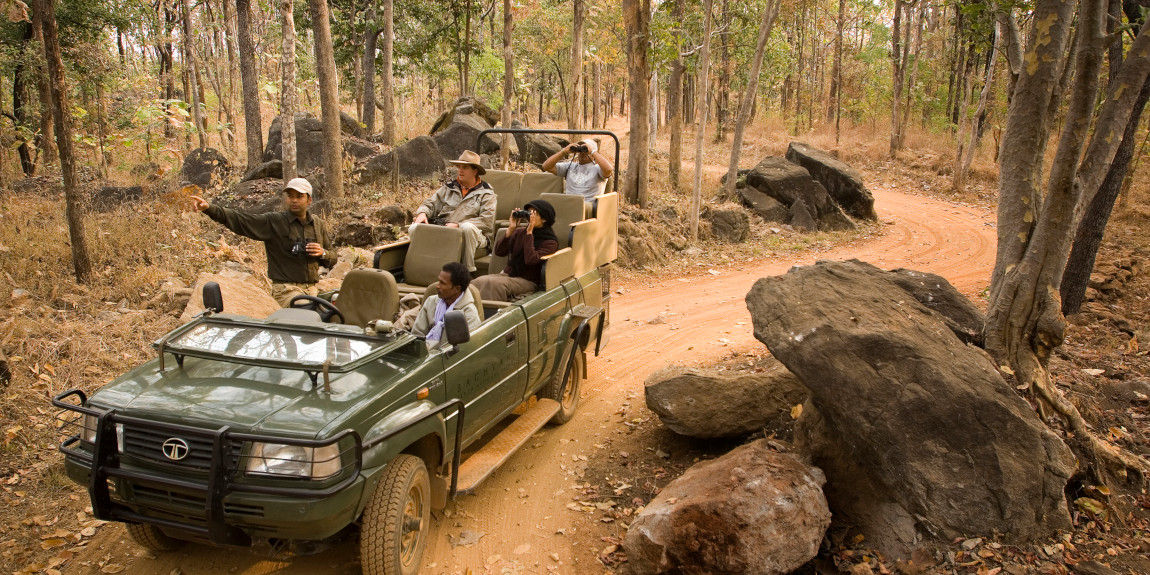
Ideal for discovering the jungle and going in search of tigers, as well as Indian wolves
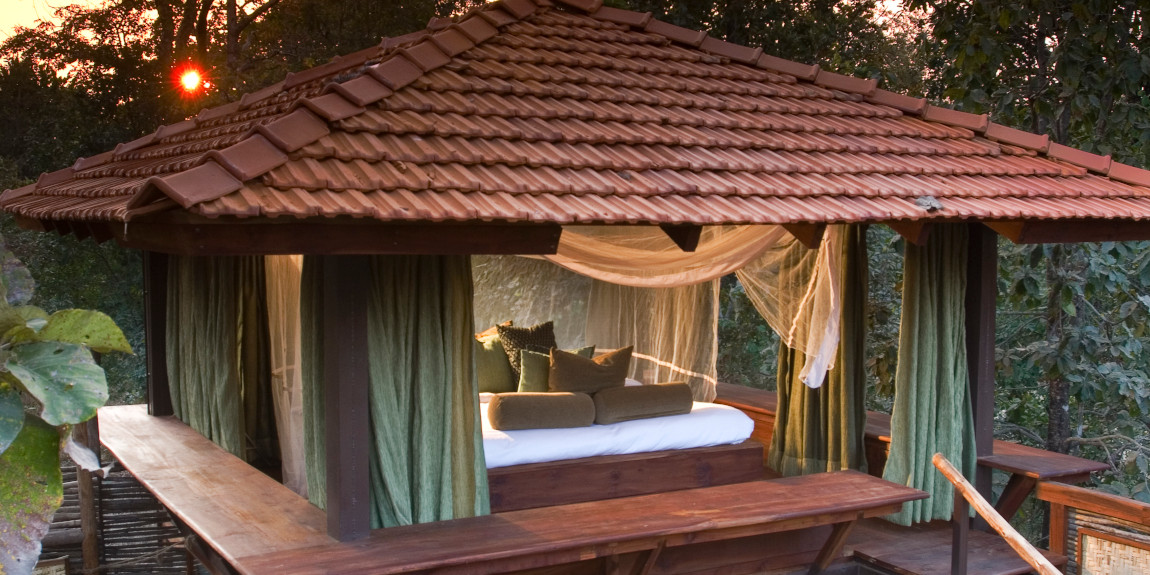
Taj Baghwan
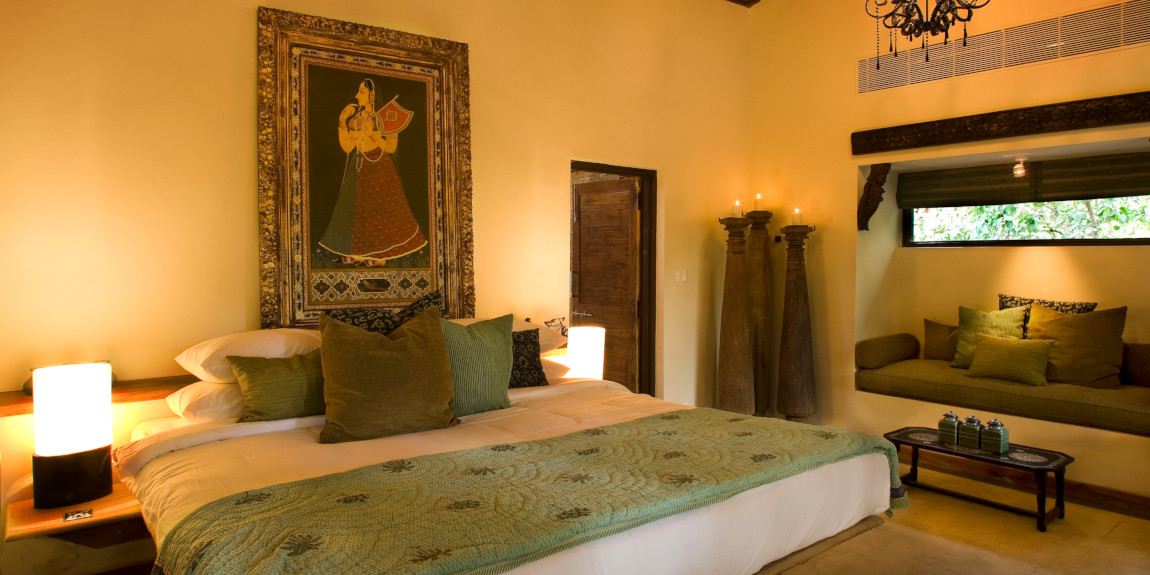
Taj Baghwan

Taj Baghwan

Taj Baghwan

Taj Baghwan
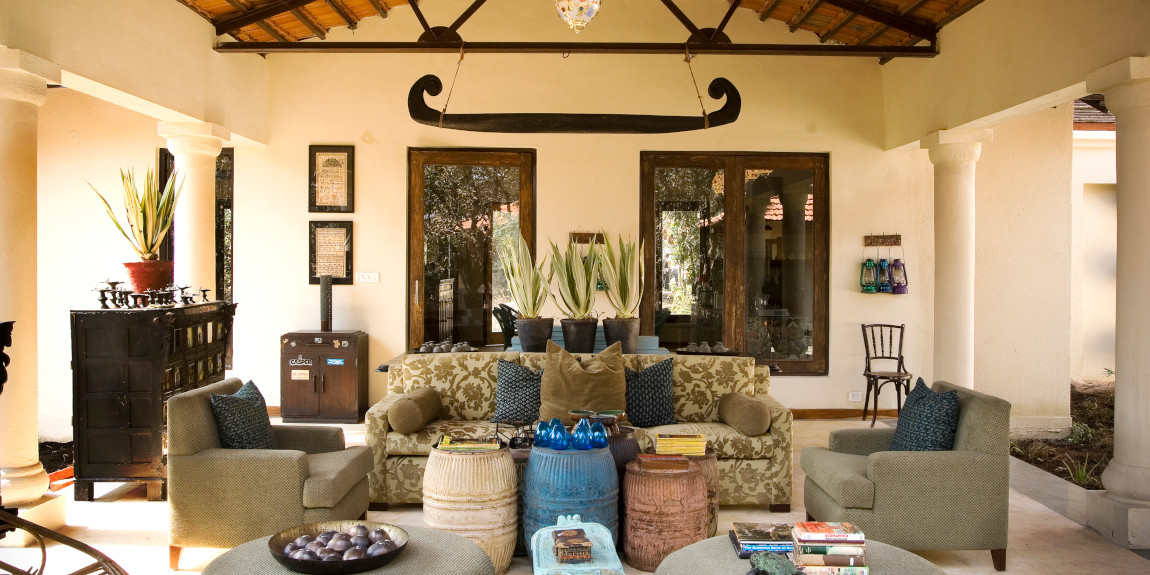
Taj Baghwan
Taj Baghwan
Taj Baghwan
Taj Baghwan
Taj Baghwan
THE EXPERIENCES
- 4x4 safari, guided walking safari in the nullah (dry riverbed) to track wildlife and go birdwatching
- Exploring a bat roosting site near the lodge
- Cycling trip to the village of Pachdhaar
- Cookery class with the Chef
- Swimming pool, spa
THE EXTRAORDINARY
For literature lovers or simply Disney fans, exploring Pench National Park means trying to spot the plant and animal species that may have inspired Kipling in writing his iconic work, The Jungle Book, starting with a pack of wolves, the very one that welcomes Mowgli at the very beginning of the adventure.
ETHICS
Baghvan was built in harmony with its surroundings, close to Pench National Park, one of the country’s most wildlife-rich parks. The Taj Hotel Group is a key player in sustainable development; it runs programmes to raise awareness of wildlife conservation and initiatives dedicated to improving the well-being of local communities, such as the provision of smokeless stoves to reduce wood consumption by 45%.