

A weekend getaway
STYLE
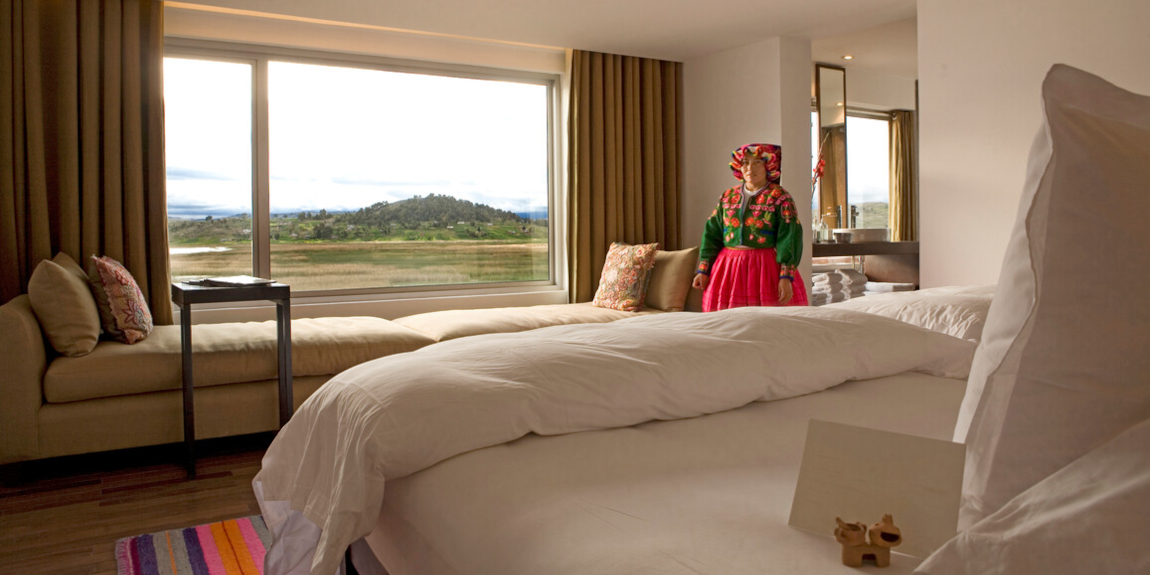
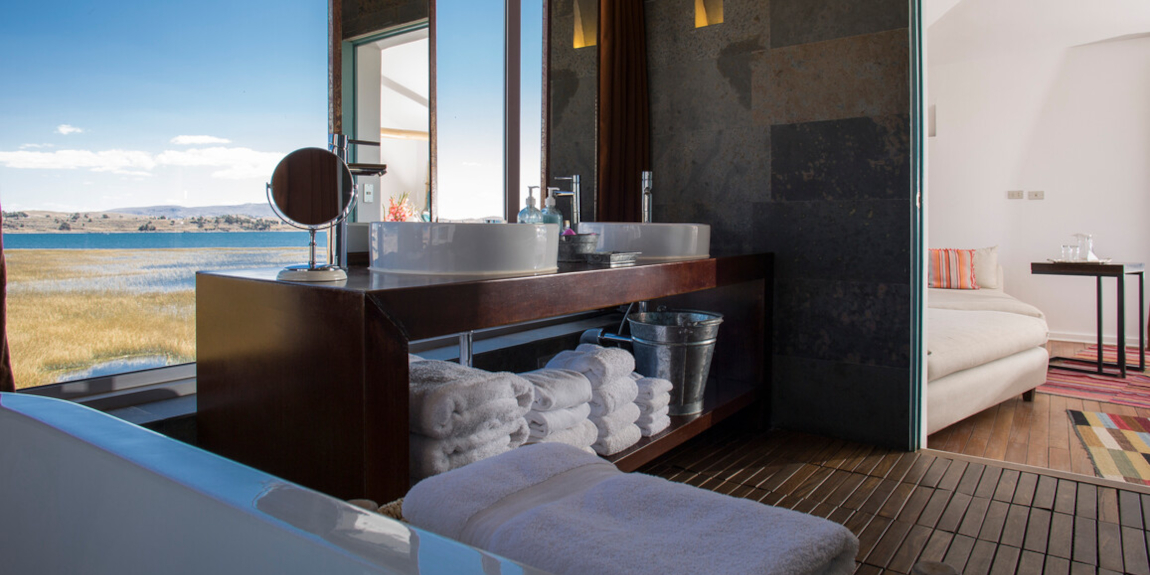
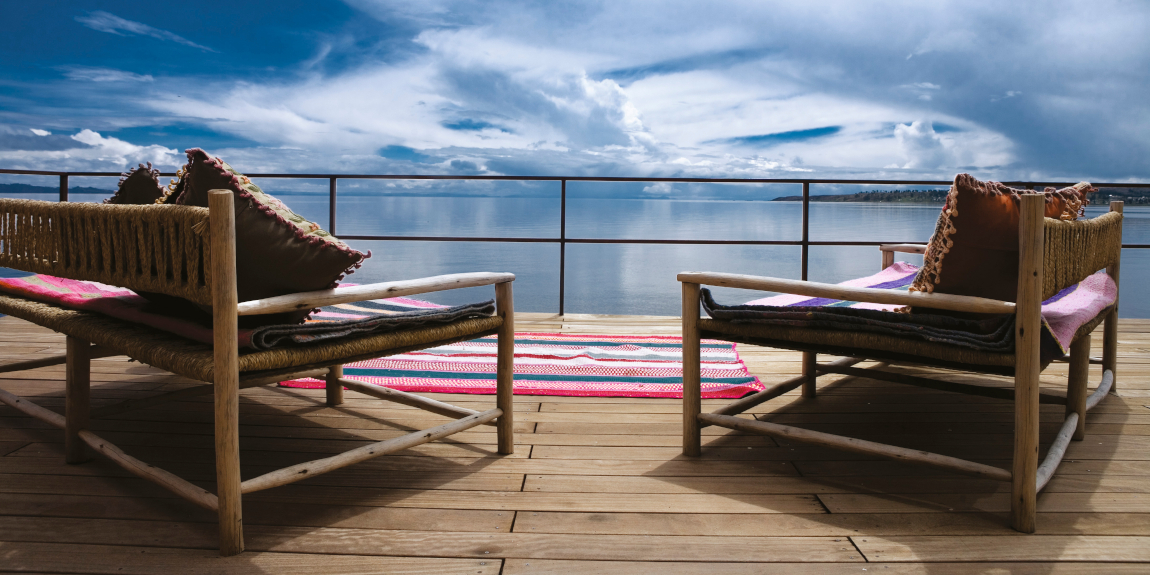
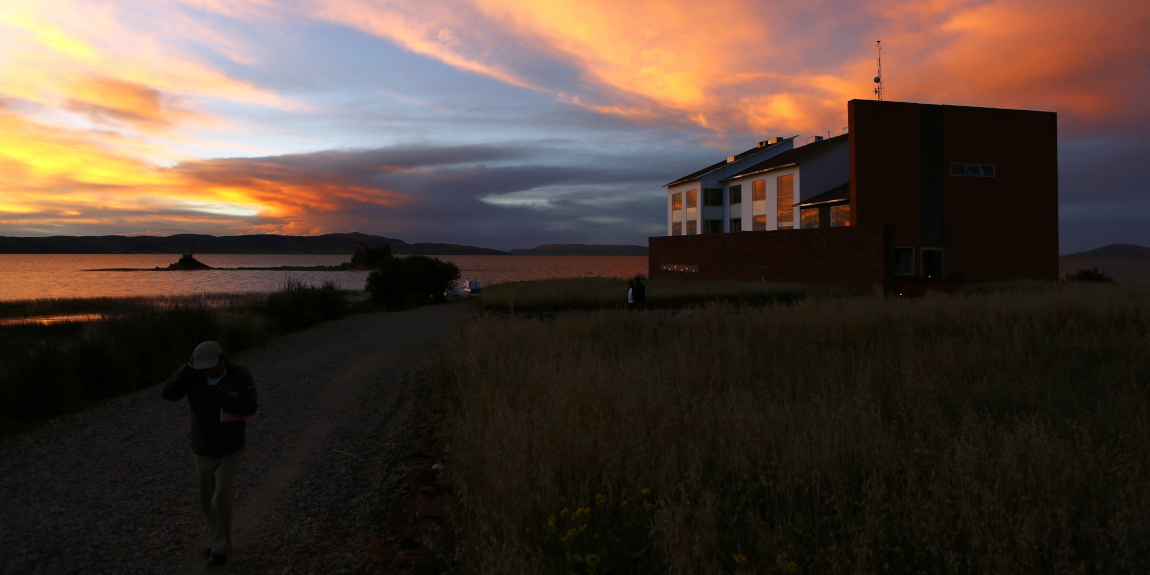
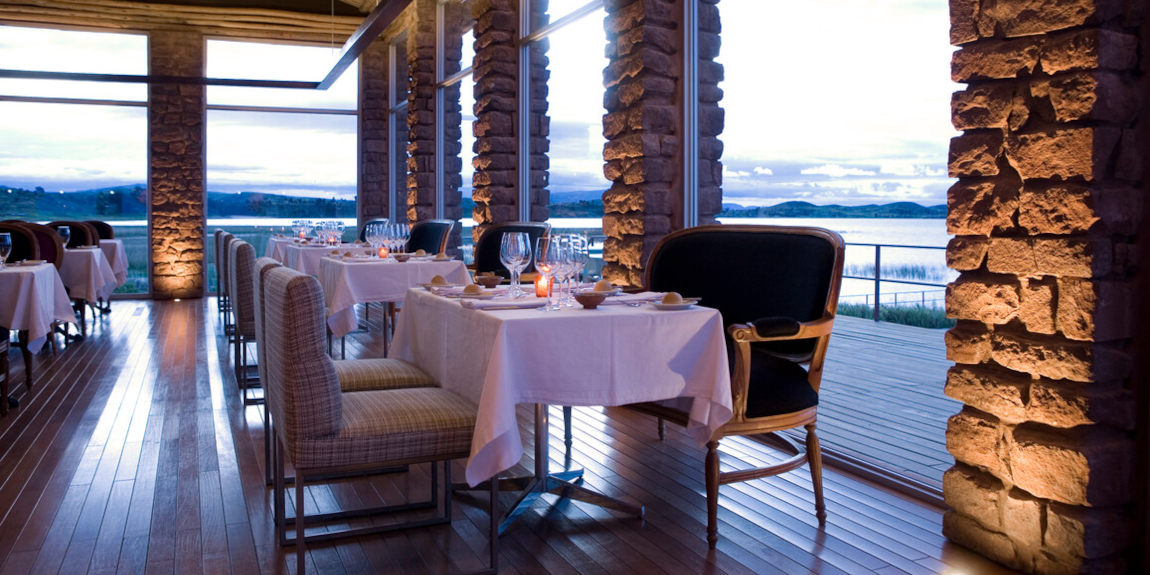
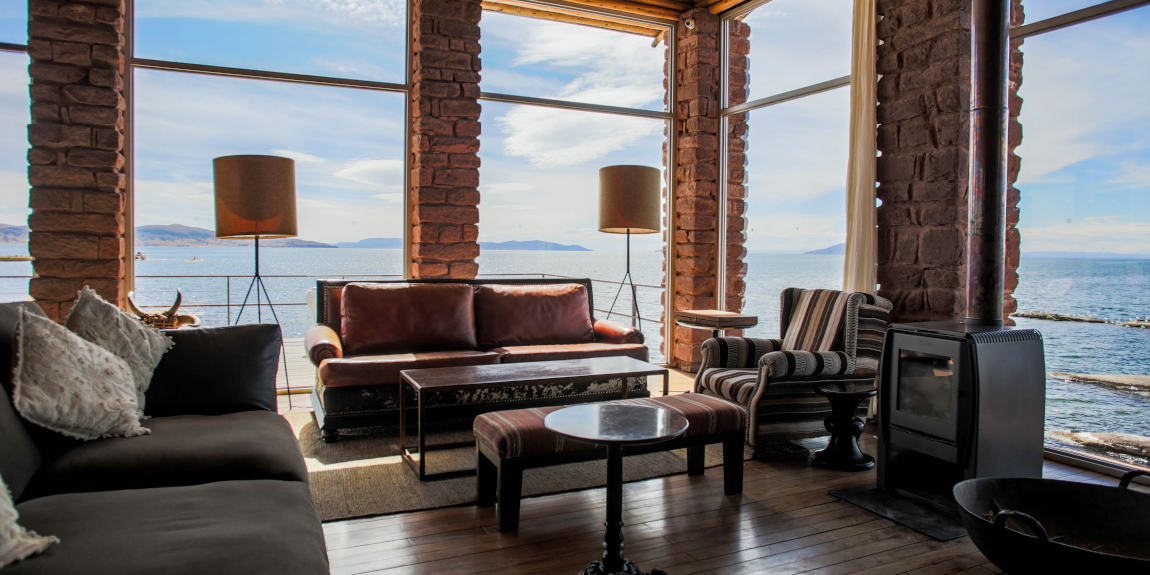
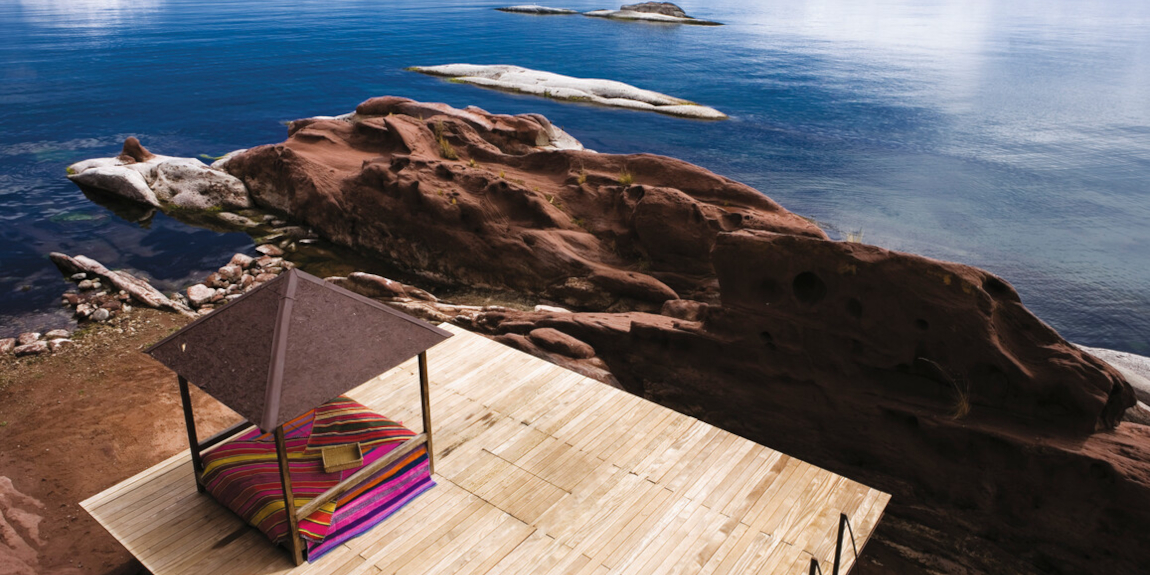
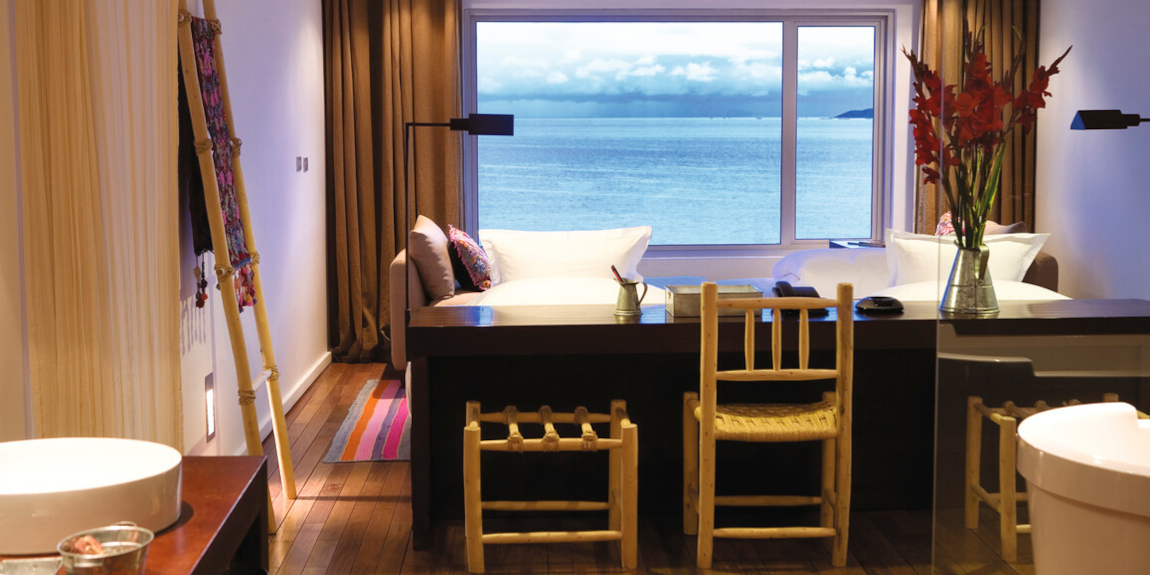
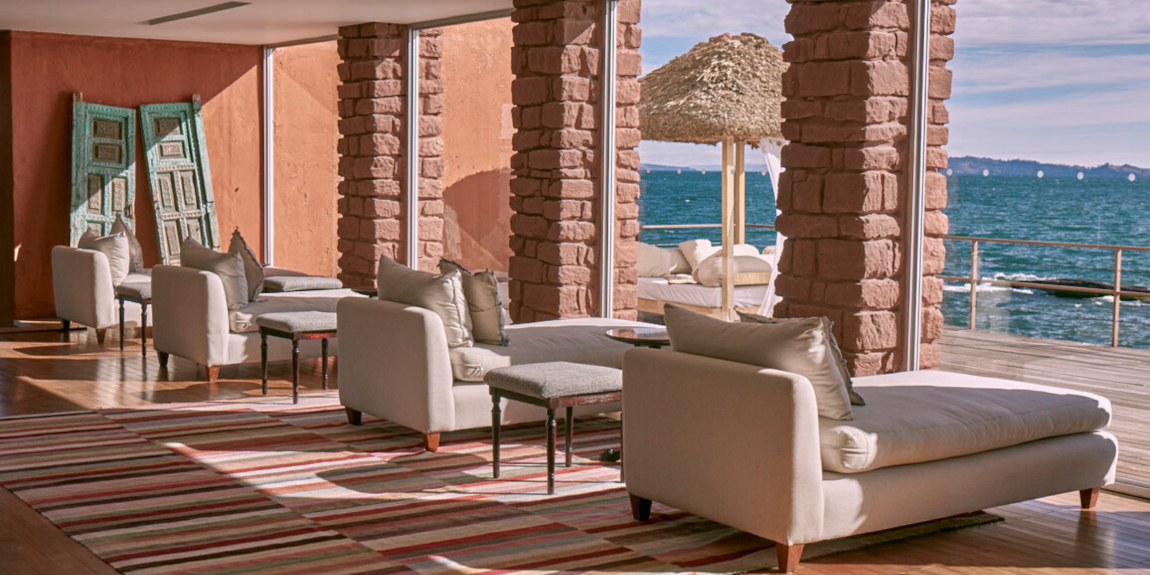
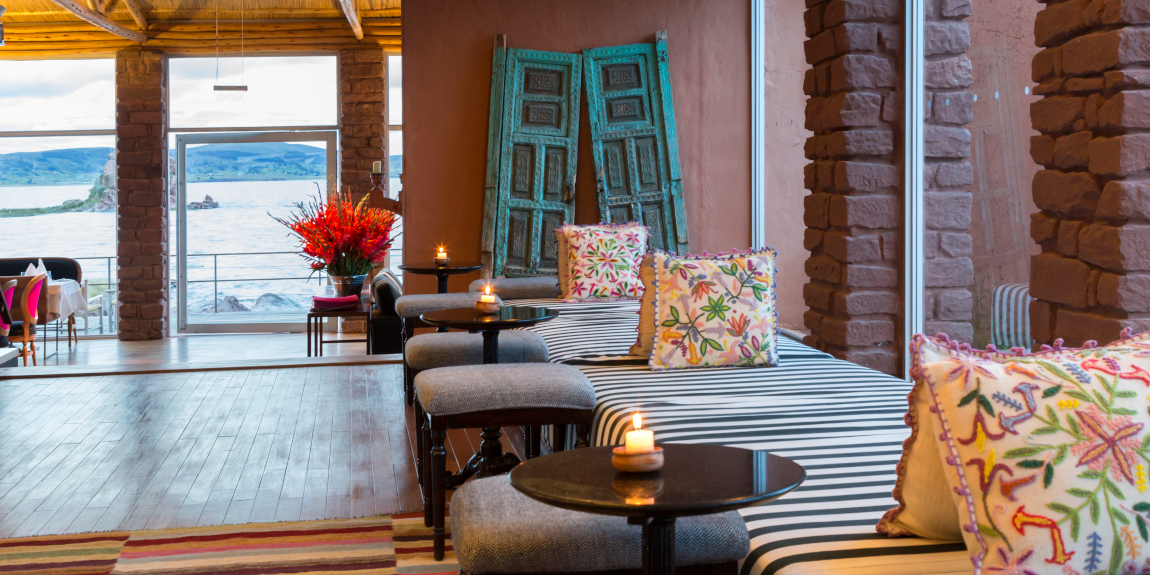
A sleek contemporary architecture brightened up by a selection of colourful Peruvian handicrafts
SITUATION
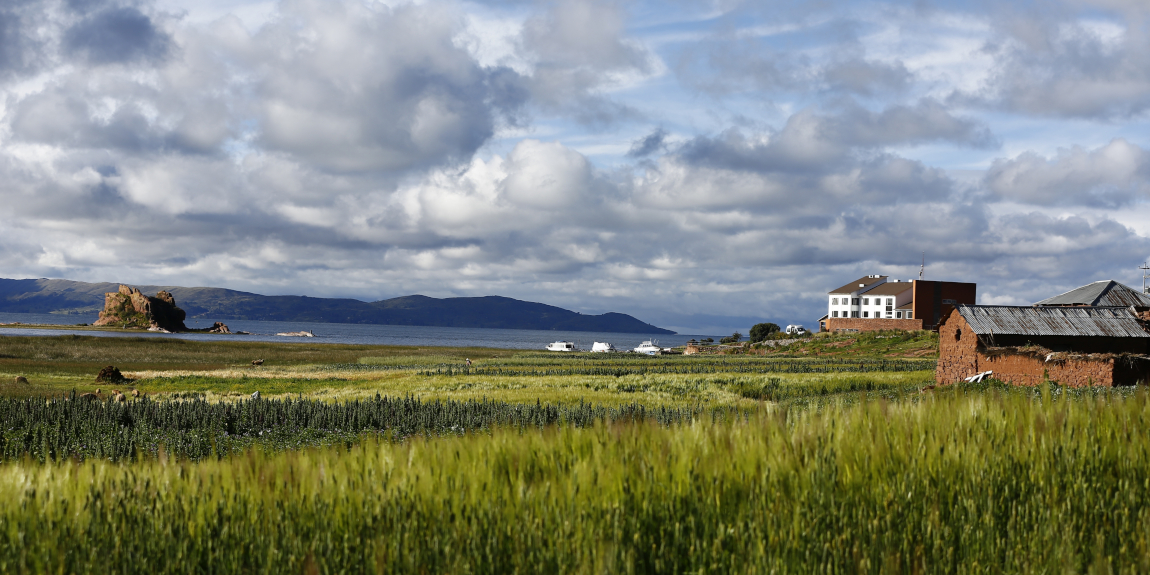
Situated on a private peninsula on the shores of Lake Titicaca, a 1-hour drive from Puno
CAPACITY
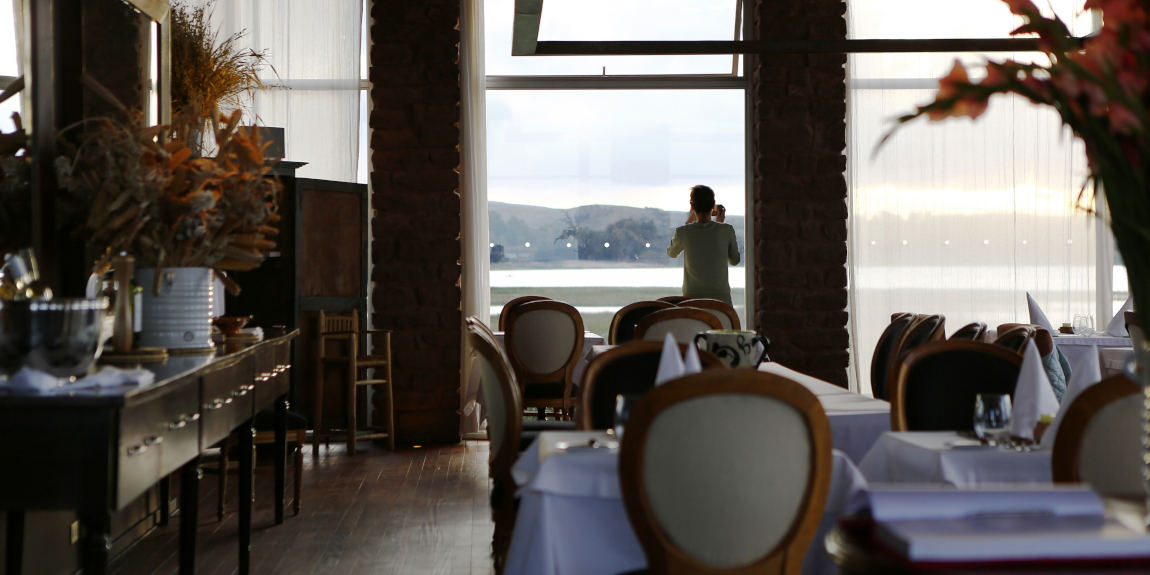
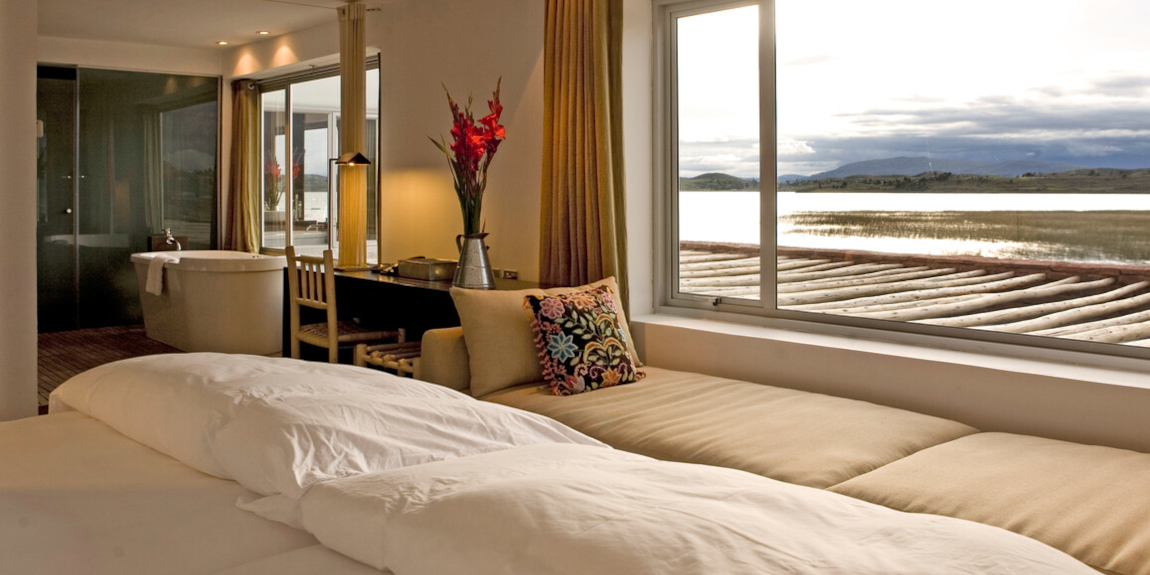
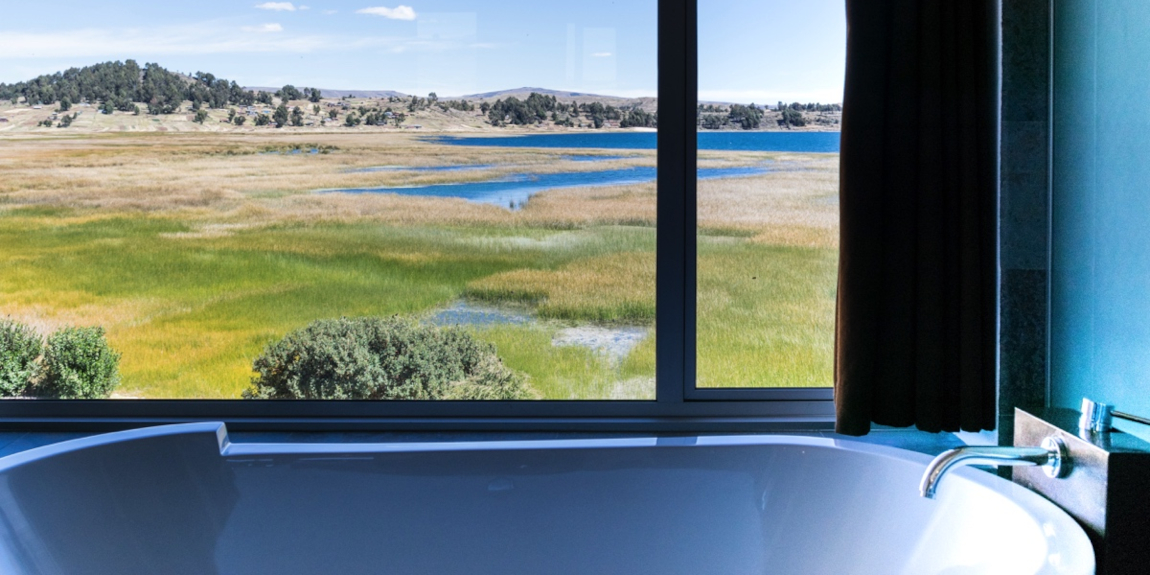
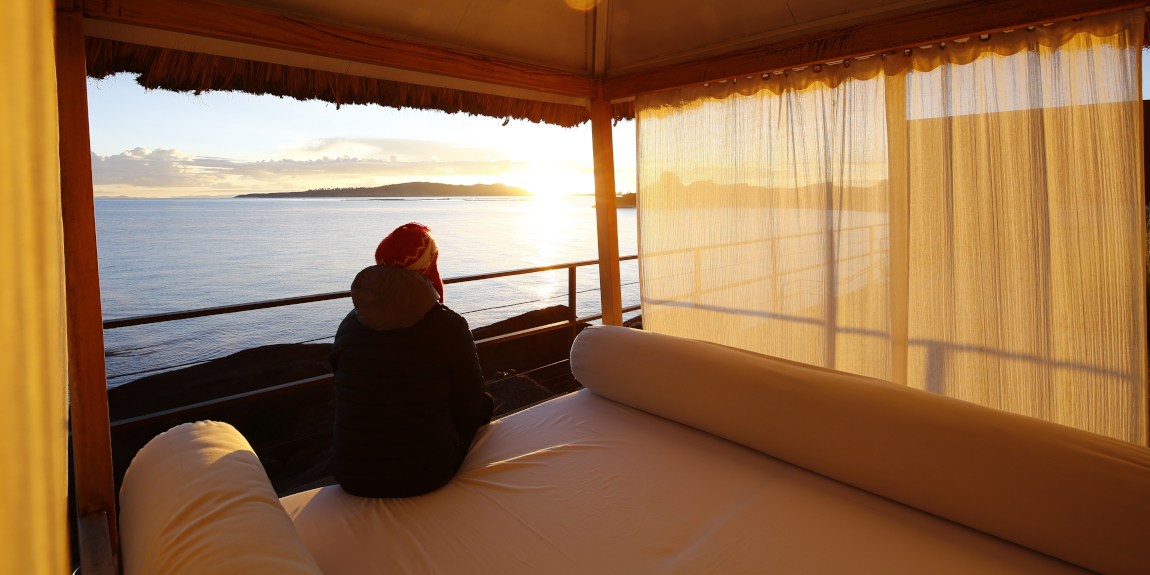
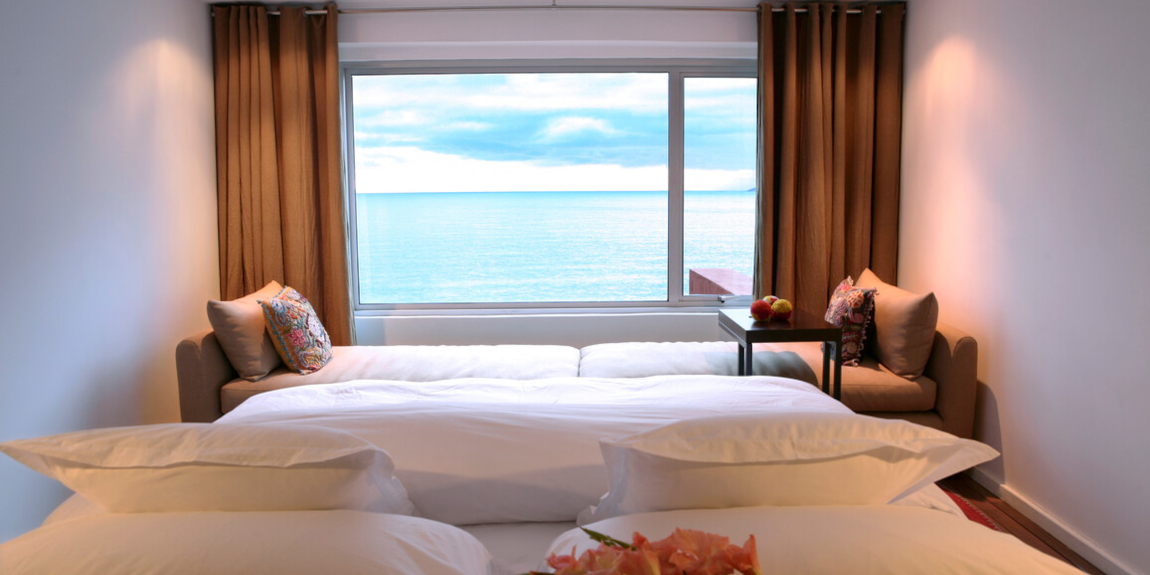
18 rooms with a view of Lake Titicaca
HIGHLIGHTS
The lodge's location on an isolated peninsula is unique in the world
Titilaka
Titilaka
Titilaka
Titilaka
Titilaka
Titilaka
Titilaka
Titilaka
Titilaka
Titilaka
Titilaka
Titilaka
Titilaka
Titilaka
Titilaka
Titilaka
Titilaka
Titilaka
Titilaka
Titilaka
THE EXPERIENCES
- Enjoy the indoor swimming pool and spa
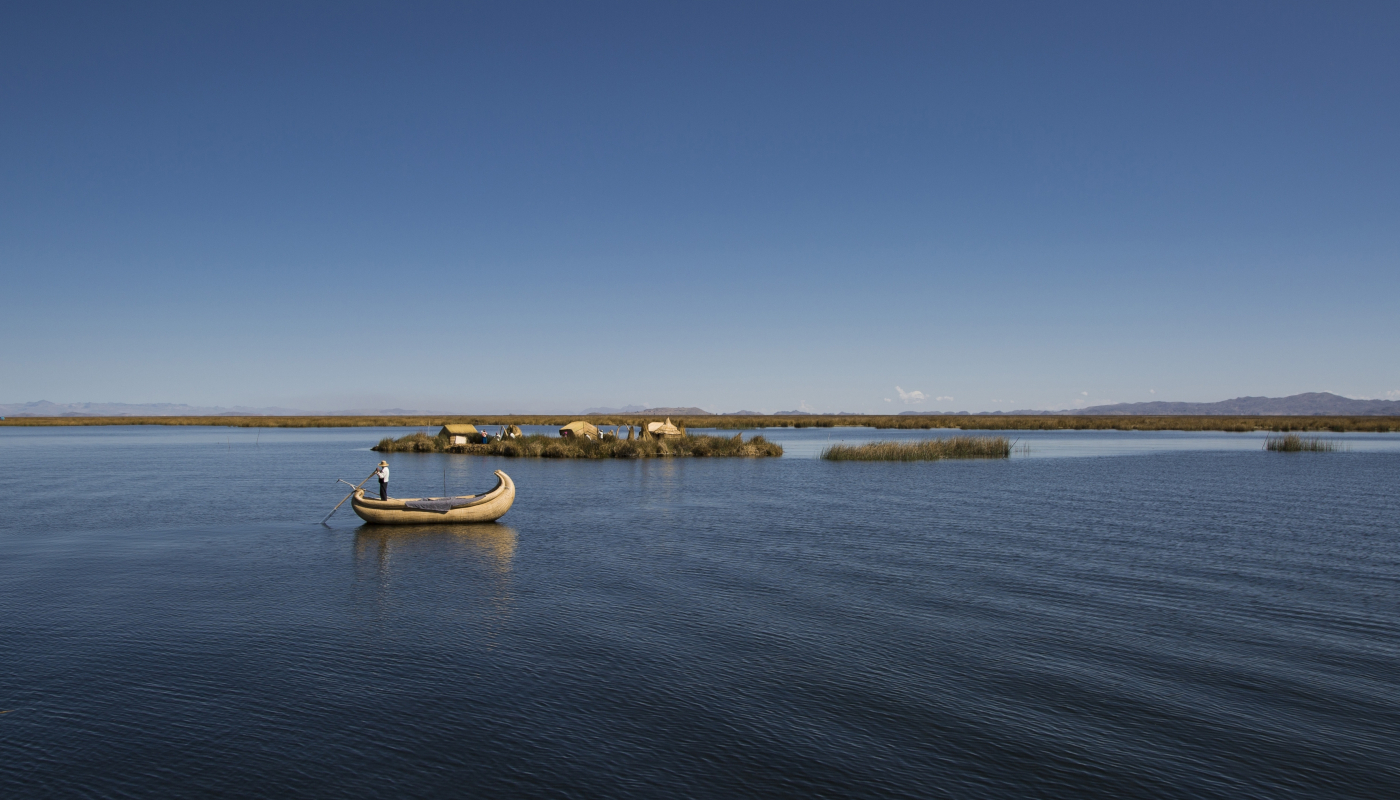
- Discover the floating islands of Lake Uros and Isla de Taquile by boat
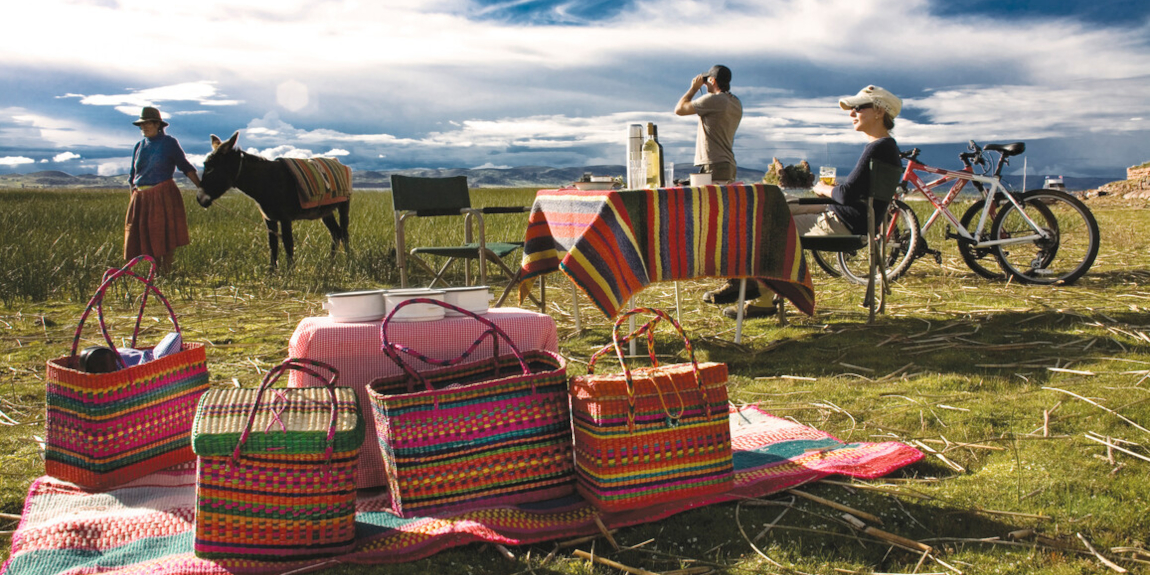
- Walking on the trails of the Altiplano, visiting the villages and local markets
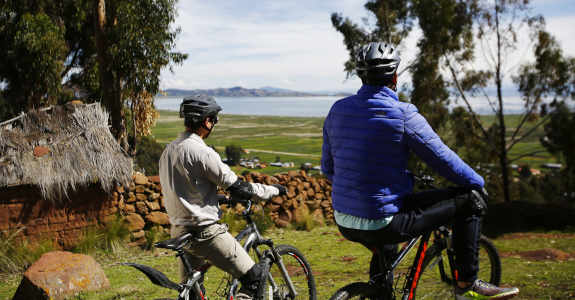
- Cycling on trails
- Stargazing alongside a specialist
THE EXTRAORDINARY
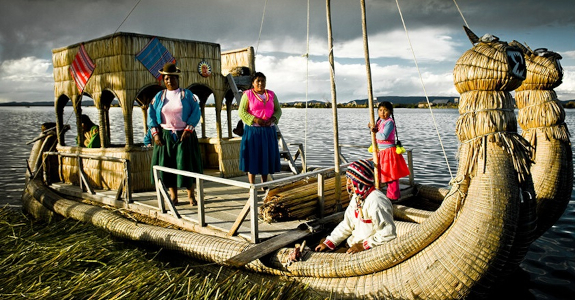
The trip to Taquile and the floating Uros islands is a "must do". The Uros islands are constructed from totora reeds, and the island's inhabitants are exceptional navigators and weavers who will teach you the ancestral techniques used to keep these islands afloat. In Taquile, you can familiarise yourself with the Quechua imagination through woven works created in accordance with a textile tradition recently proclaimed a masterpiece of the oral and intangible heritage of humanity by UNESCO.

ETHICS
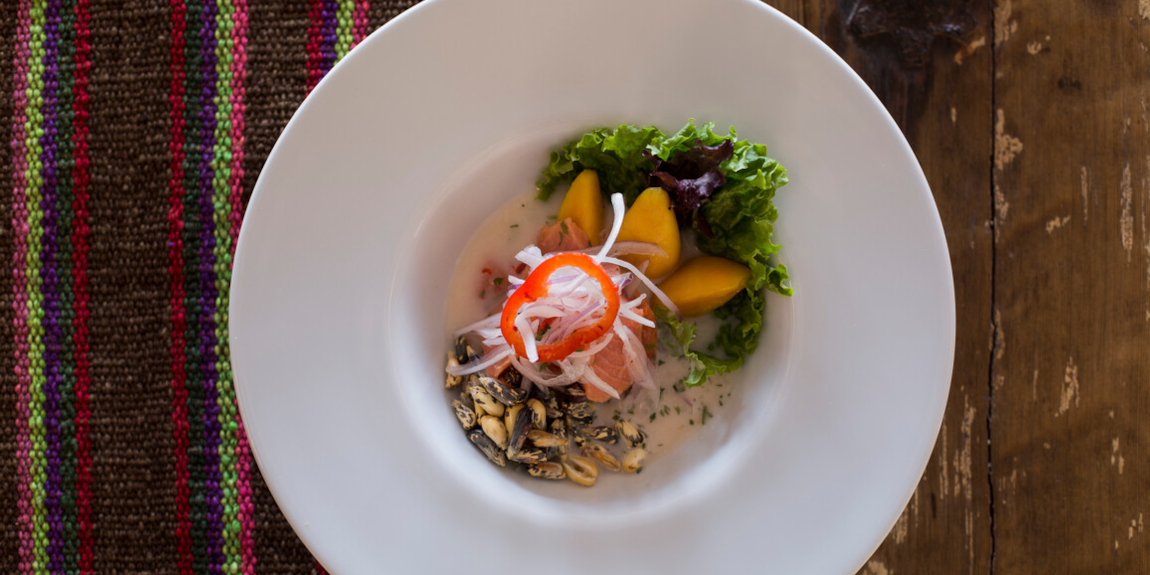
Responsible and sustainable development lies at the heart of Titilaka’s philosophy. Over 90 % of the staff are local residents, and the resort sources local food products wherever possible, as part of its business model which focuses on preserving Andean traditions.