
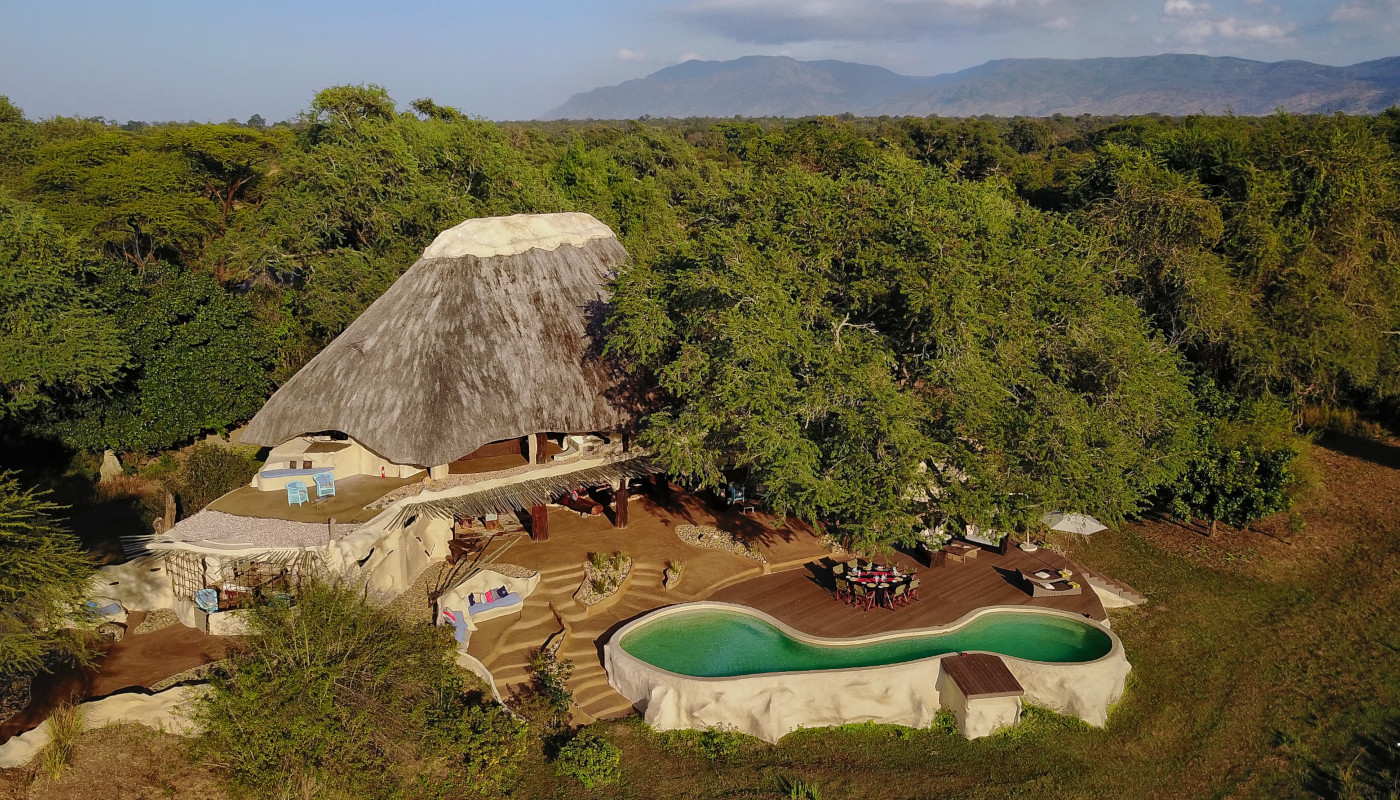

Extravagant villa
STYLE
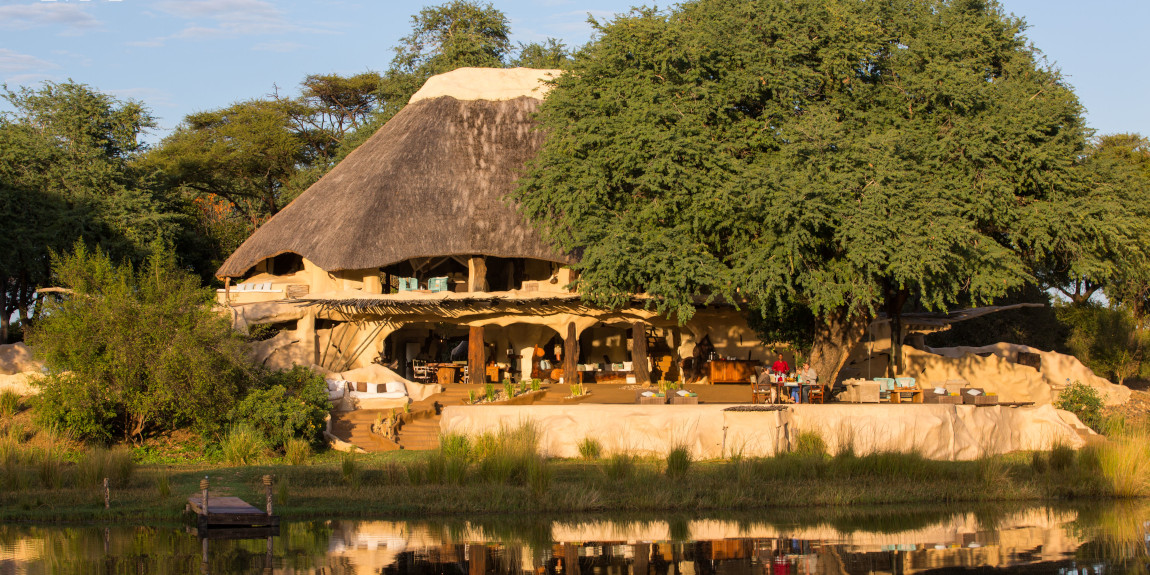
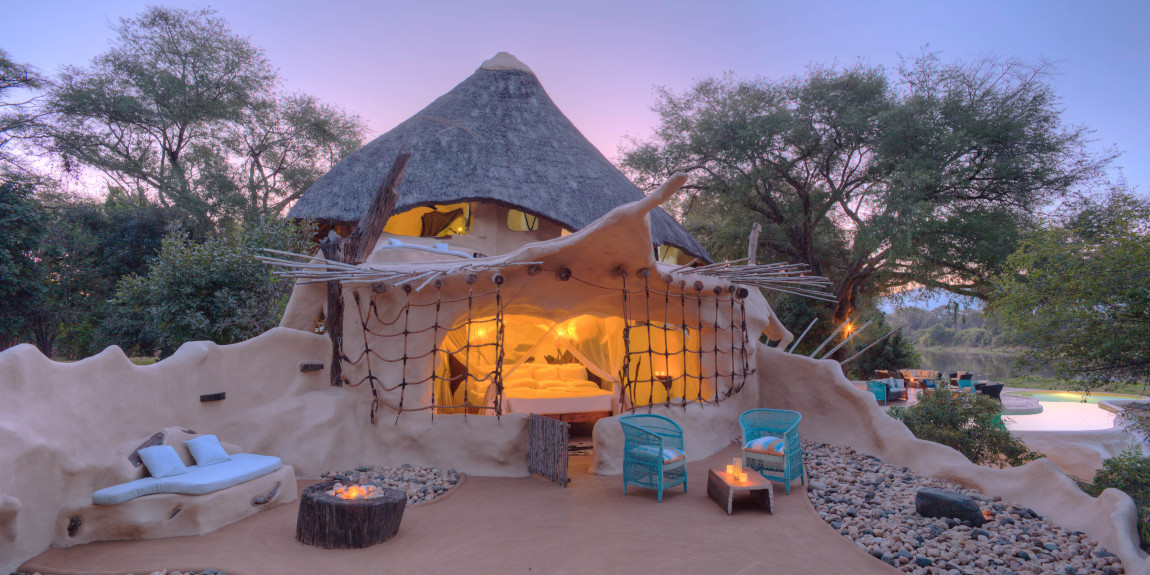
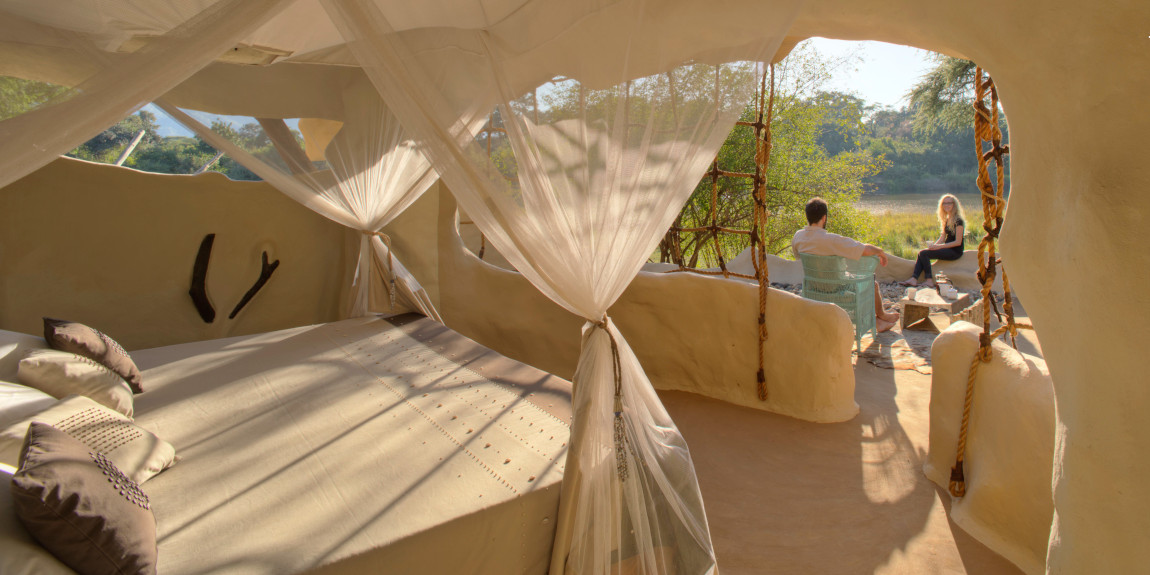
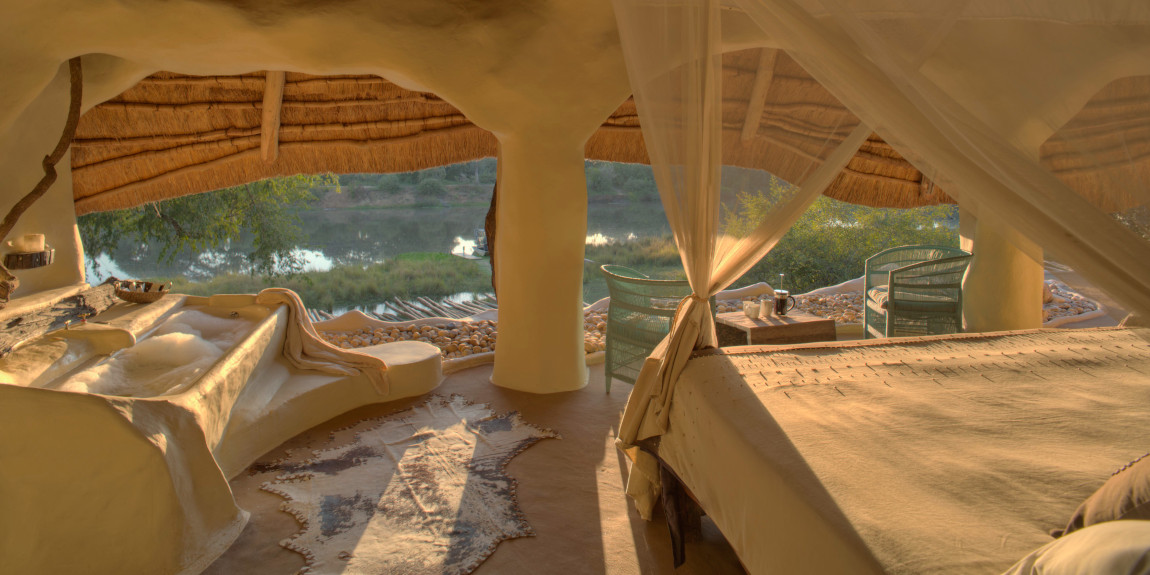
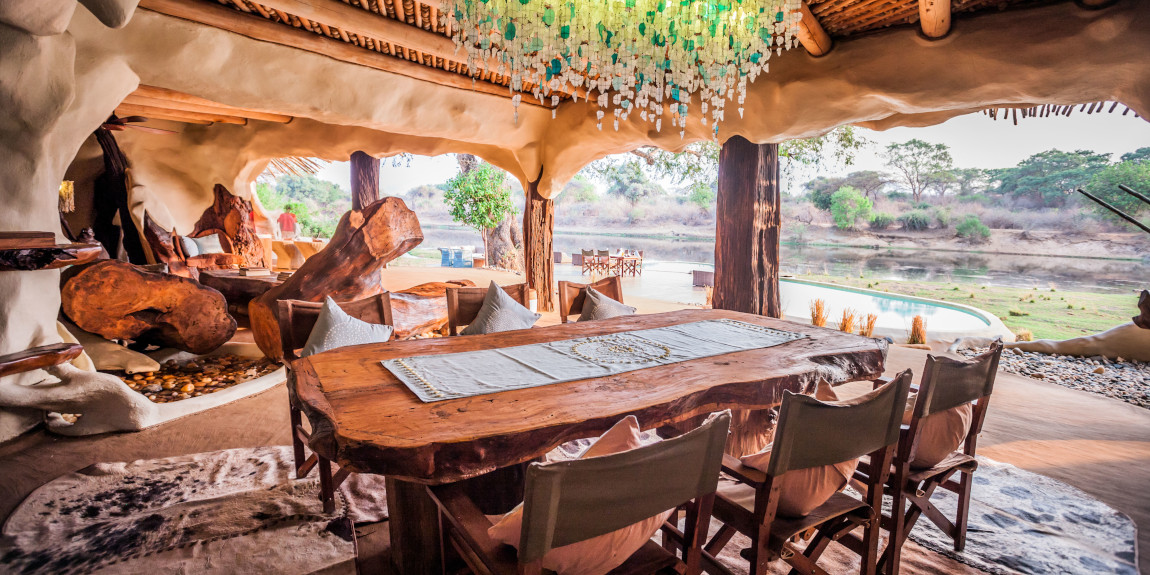
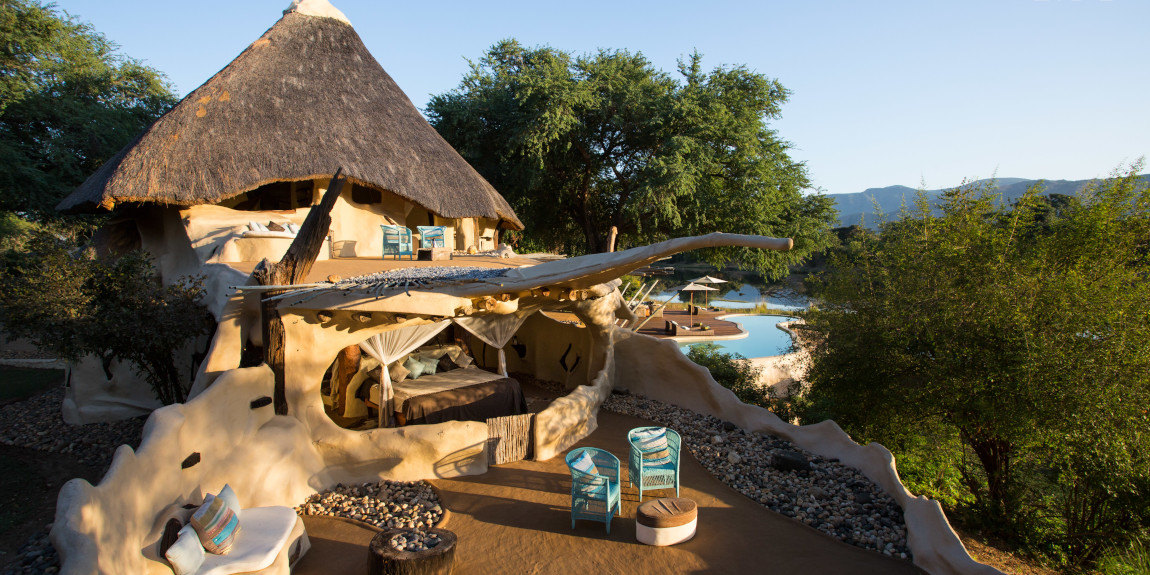
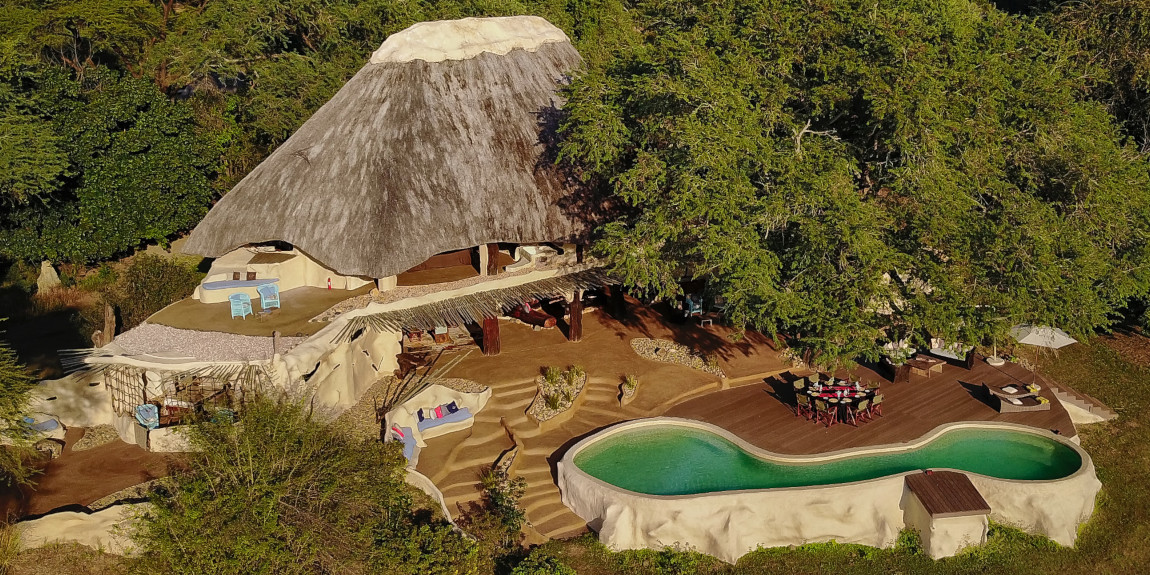
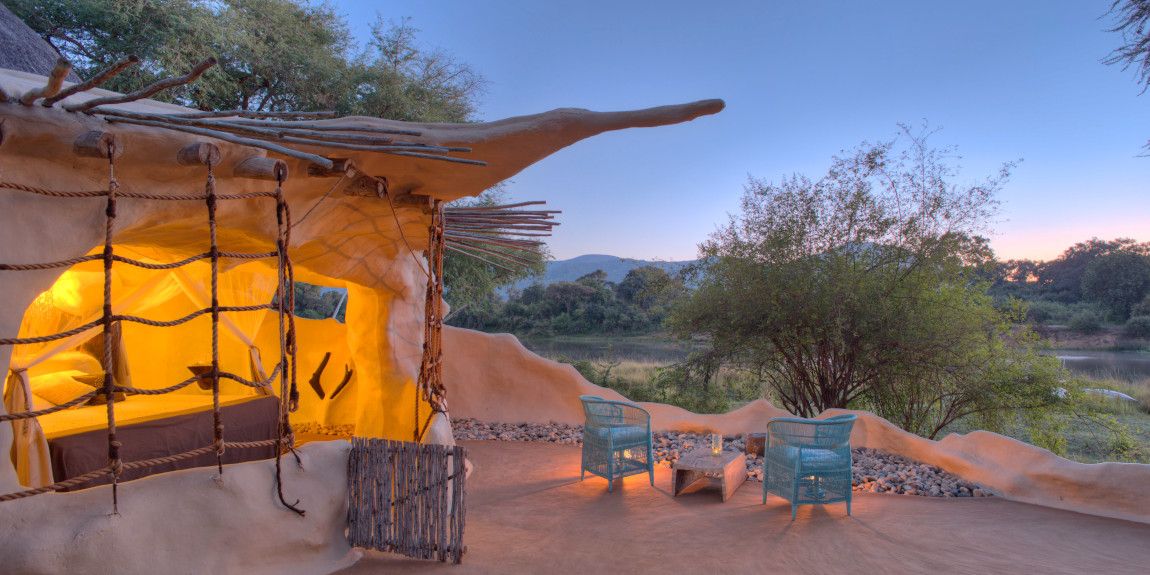
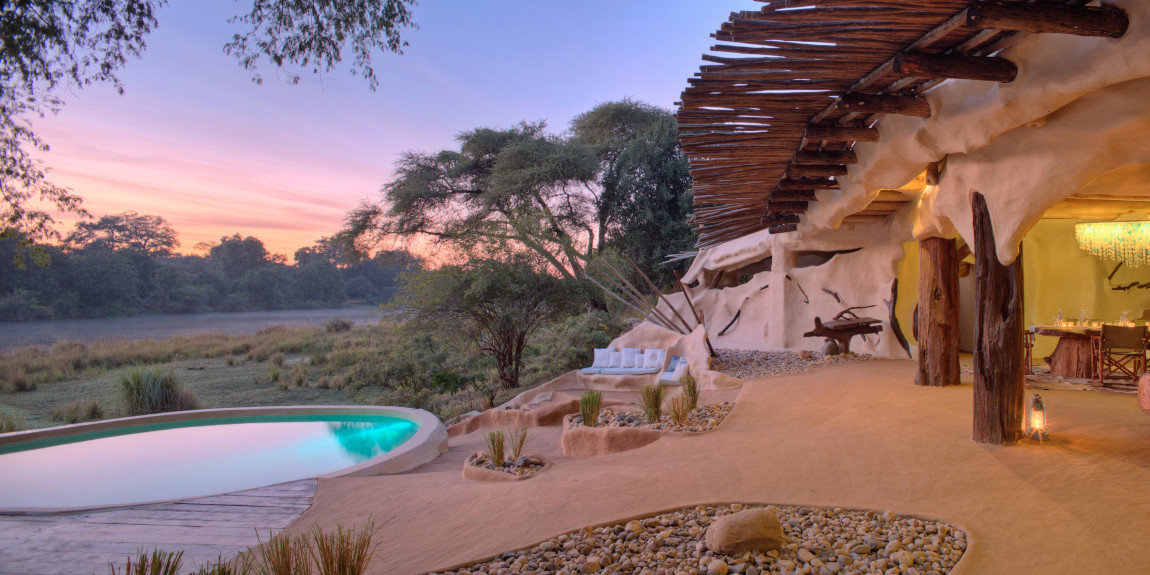
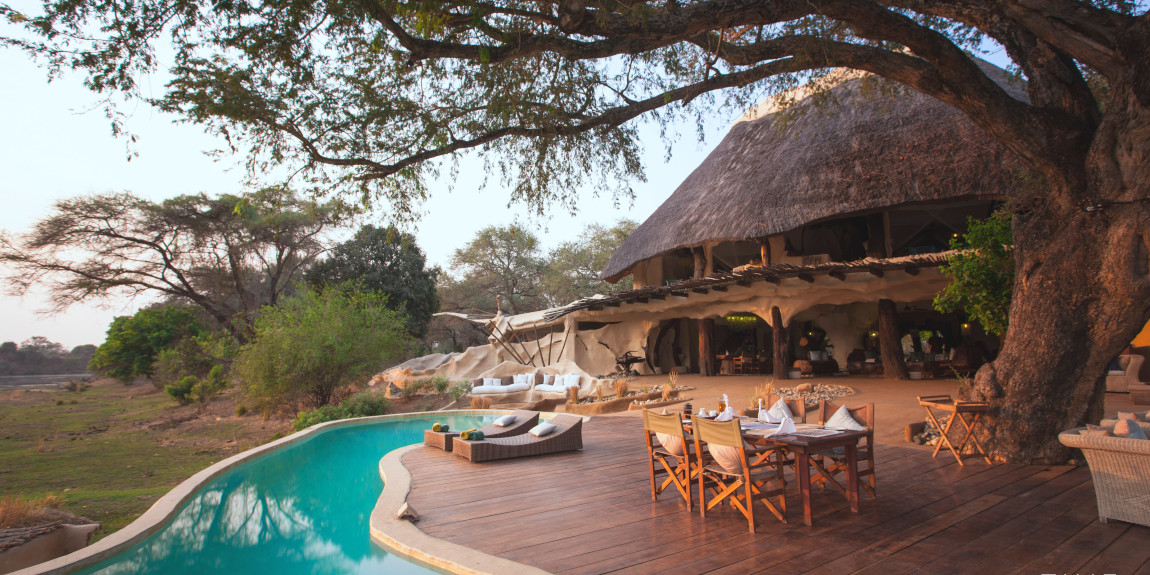
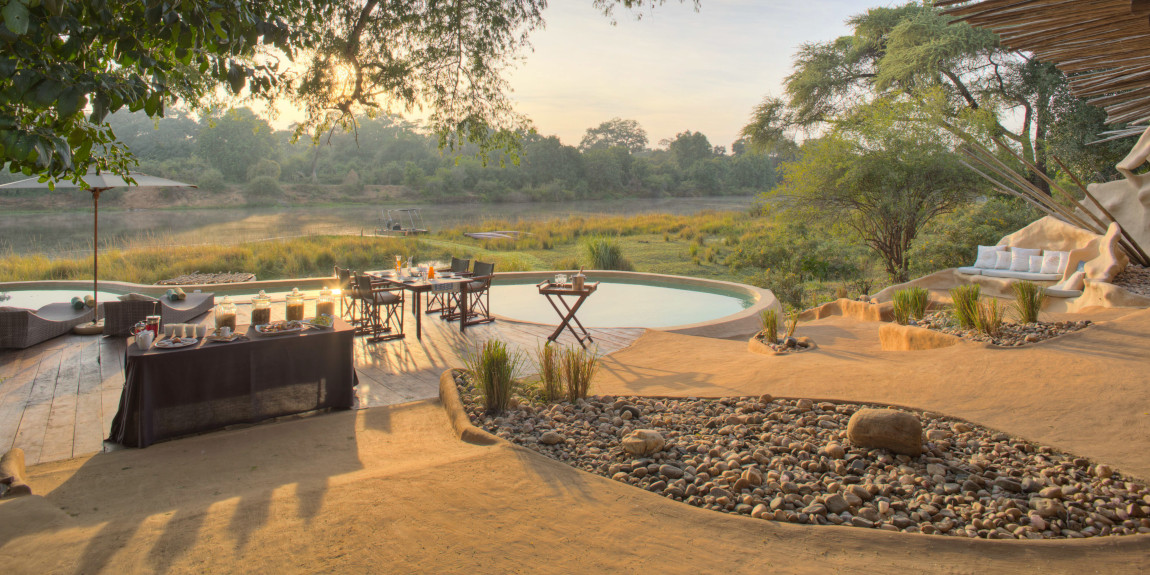
A style like no other, very organic, sort of cocoon-house
SITUATION
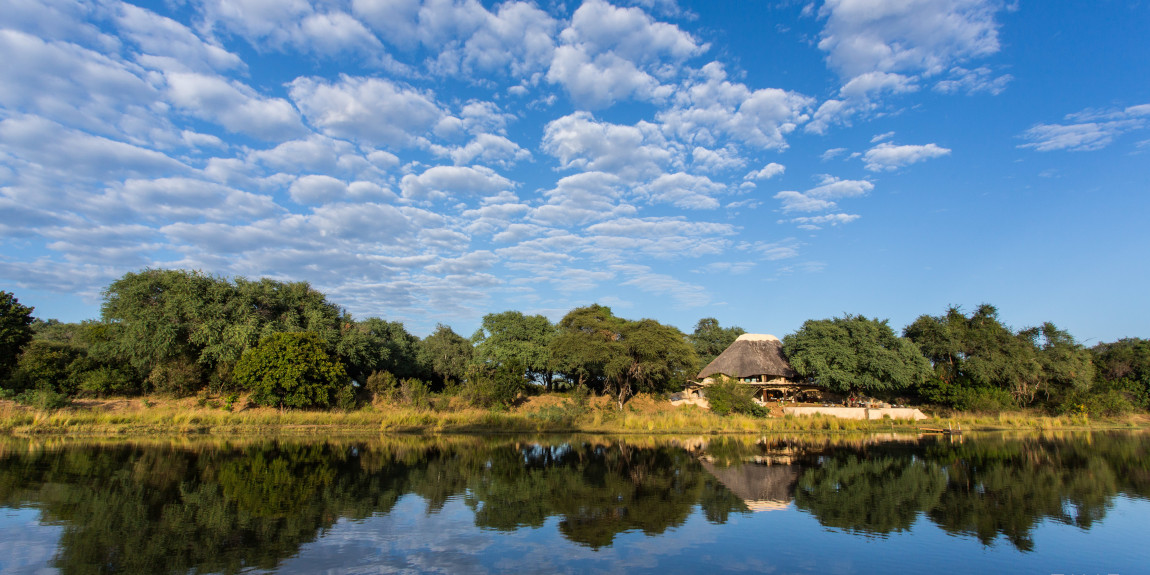
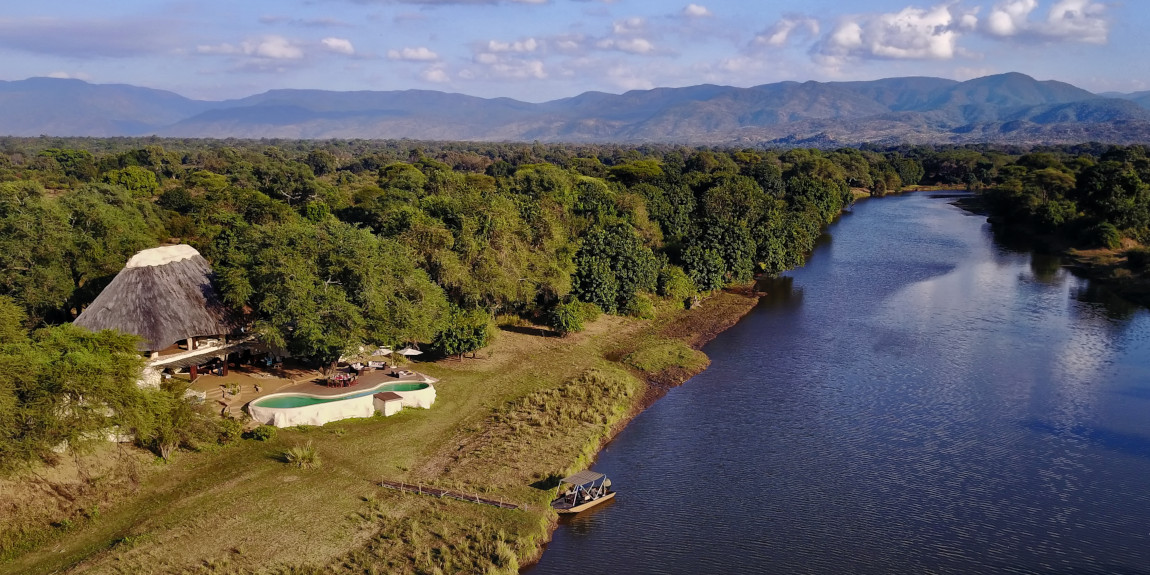
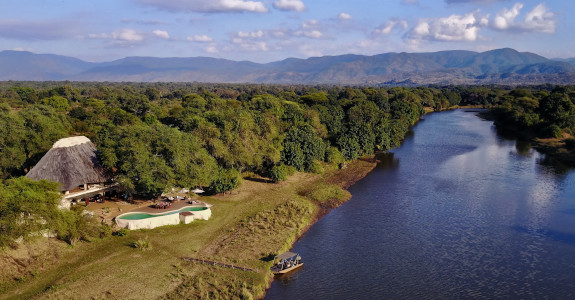
A 35-minute short domestic flight from Lusaka, to the south-west of the Lower Zambezi National Park, on the banks of the Chongwe River
CAPACITY
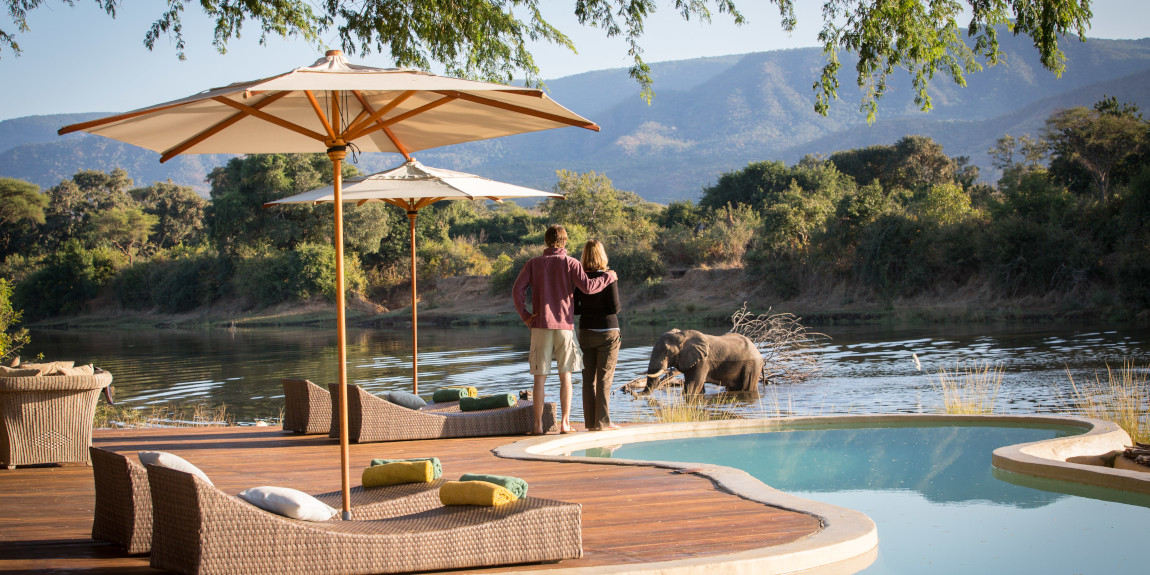
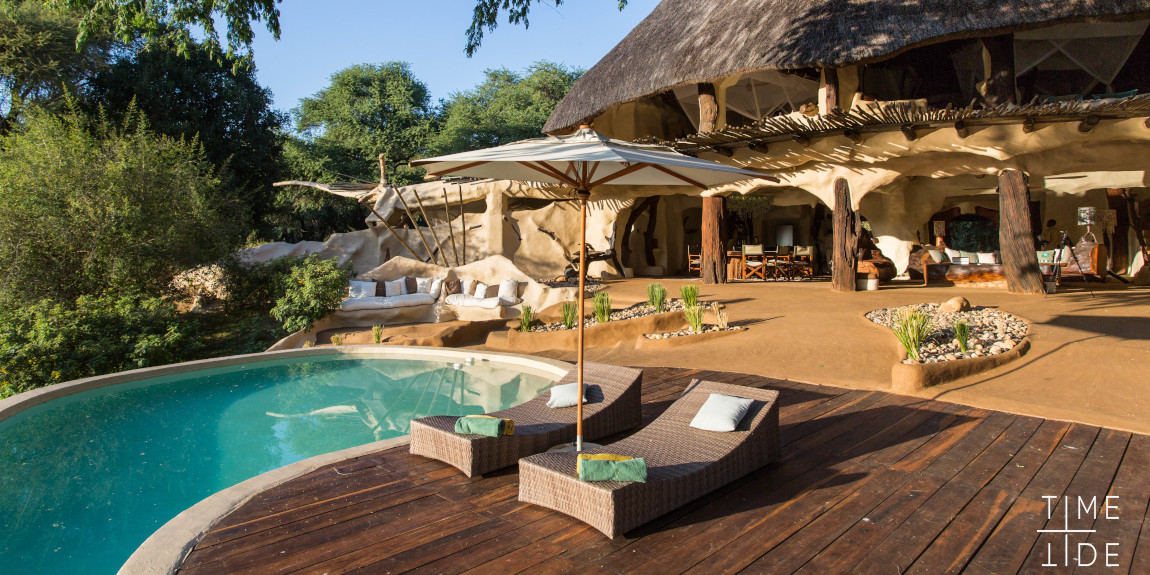
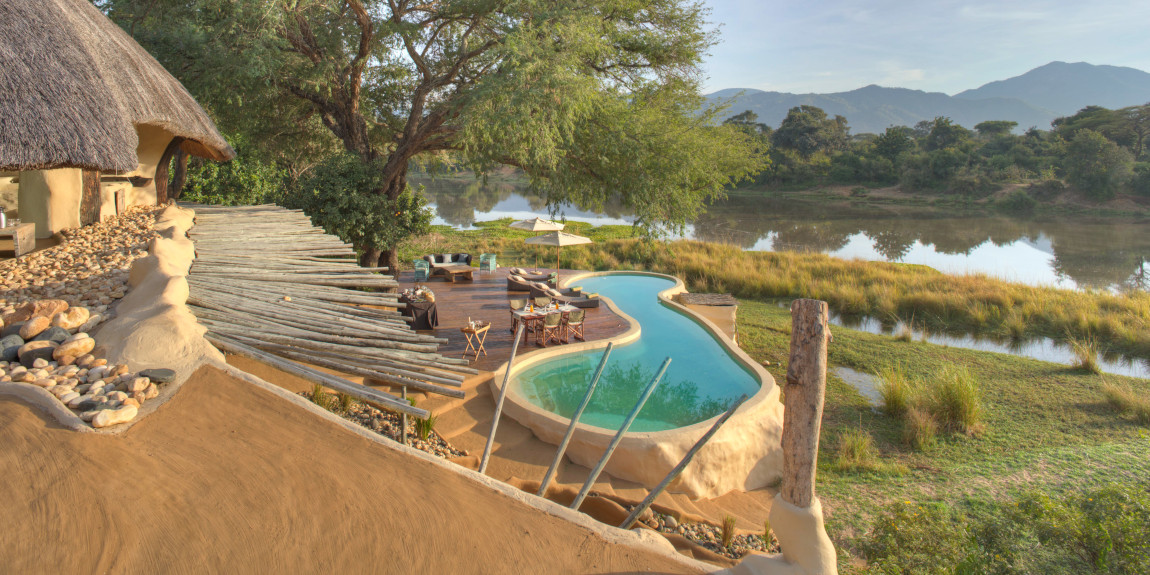
Private 4-bedroom house with a lovely swimming pool
HIGHLIGHTS
The ecological and organic architecture of the house provides a surprising feeling of freshness and freedom
Chongwe House
Chongwe House
Chongwe House
Chongwe House
Chongwe House
Chongwe House
Chongwe House
Chongwe House
Chongwe House
Chongwe House
Chongwe House
Chongwe House
Chongwe House
Chongwe House
Chongwe House
Chongwe House
Chongwe House
Chongwe House
Chongwe House
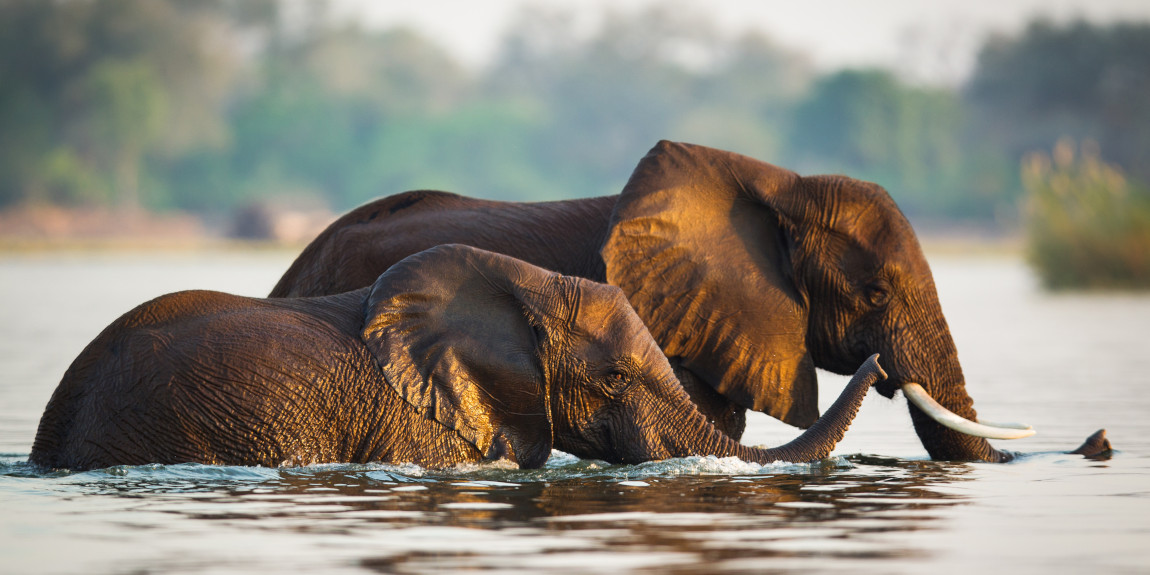
Chongwe House
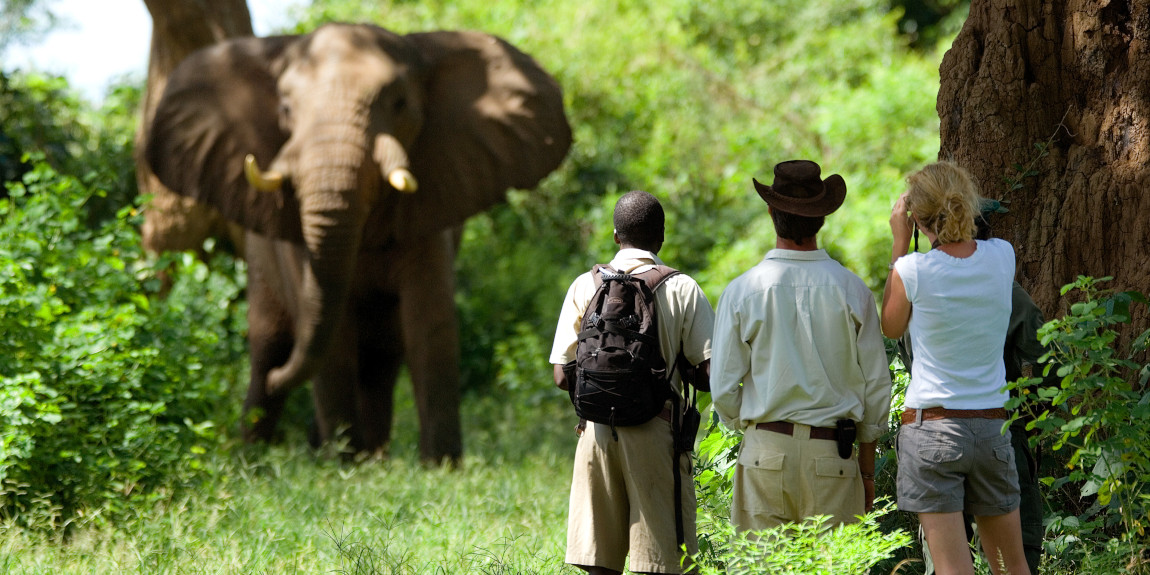
Chongwe House
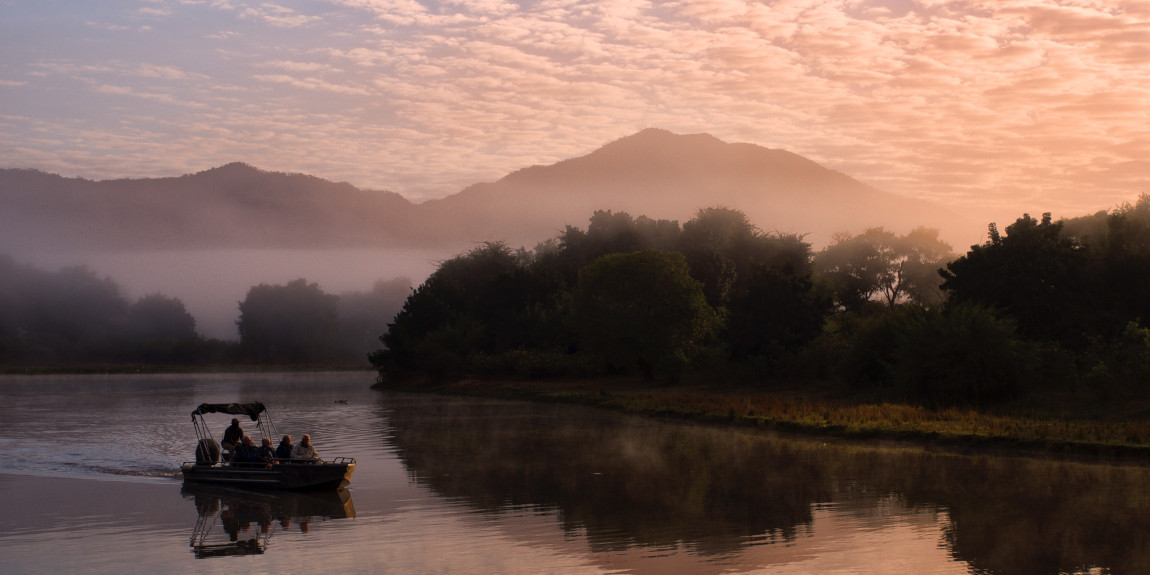
Chongwe House
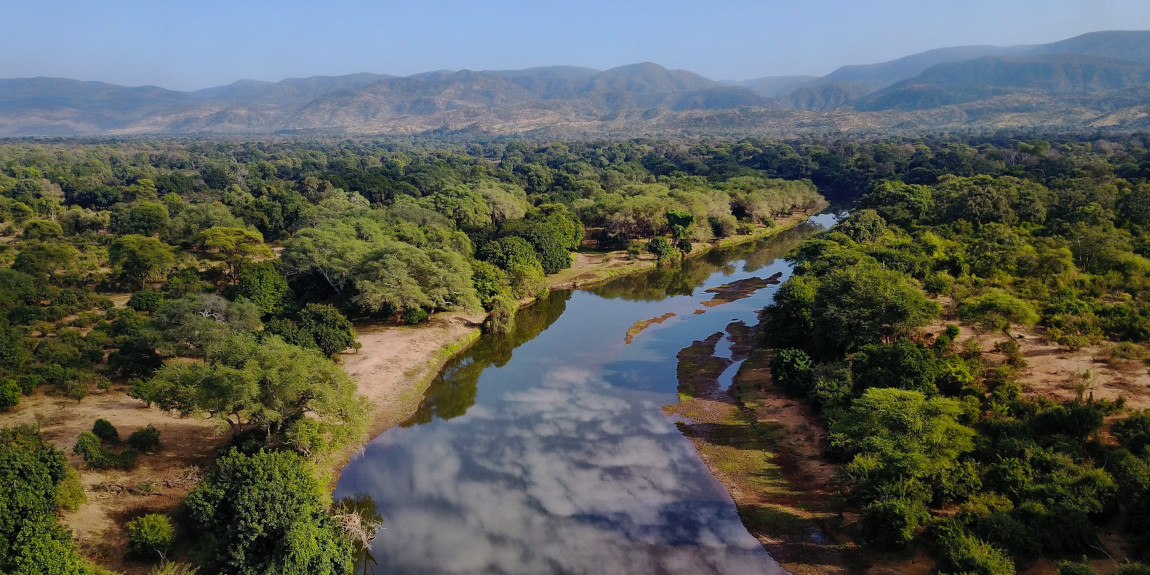
Chongwe House
Chongwe House
Chongwe House
Chongwe House
Chongwe House
THE EXPERIENCES
- Swimming pool
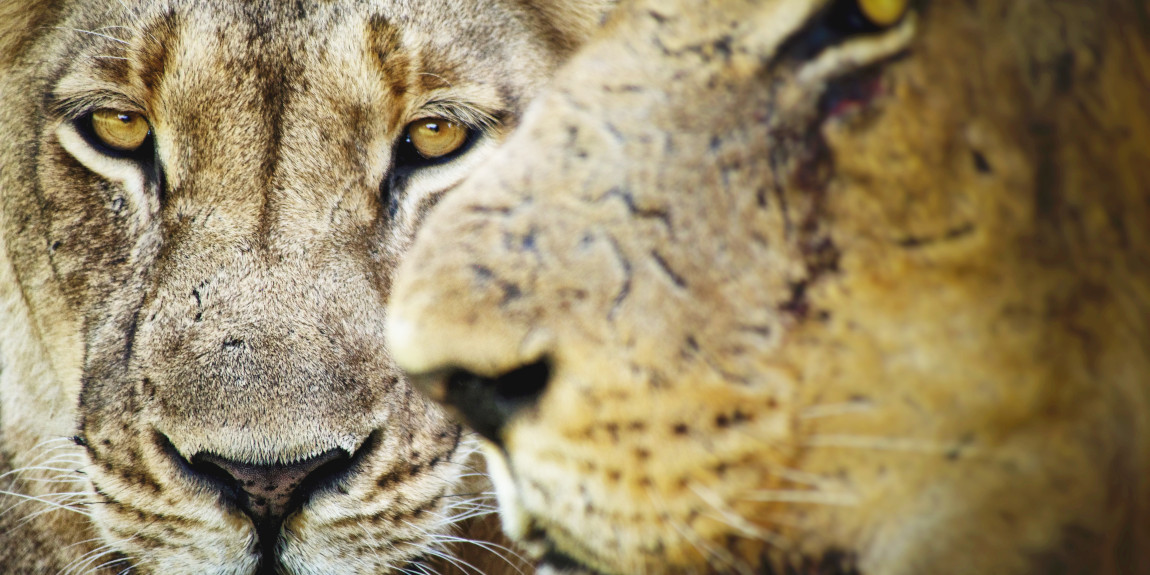
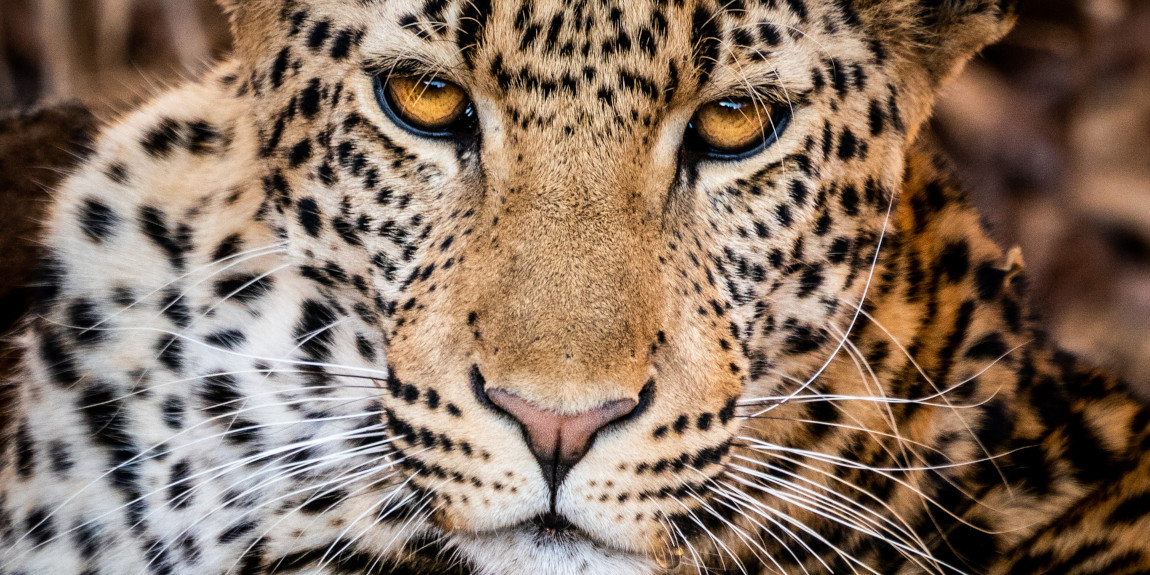
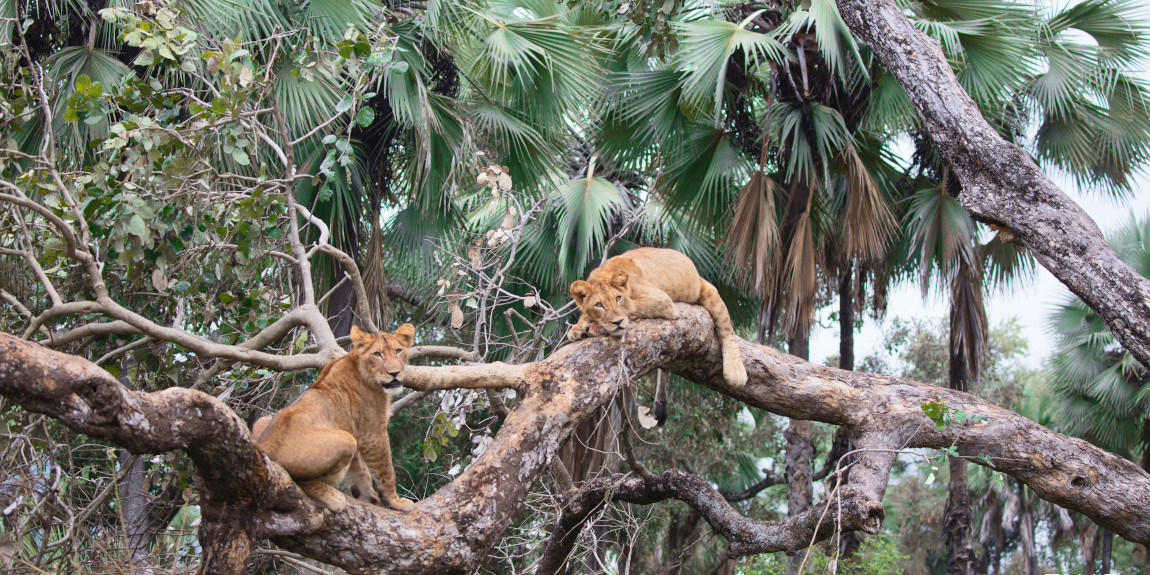
- Day and night 4x4 safari
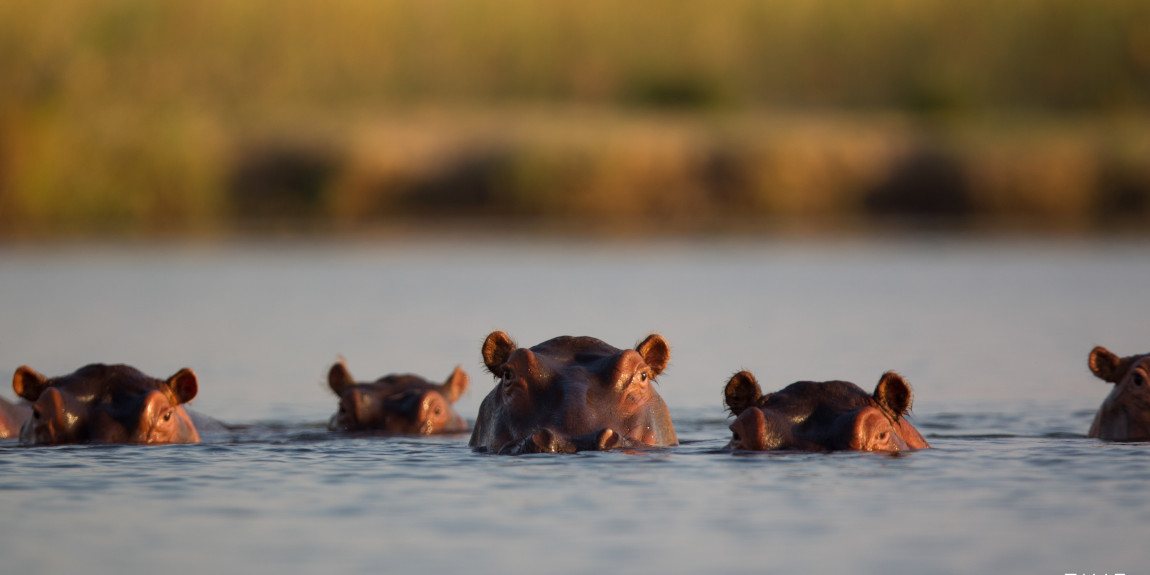
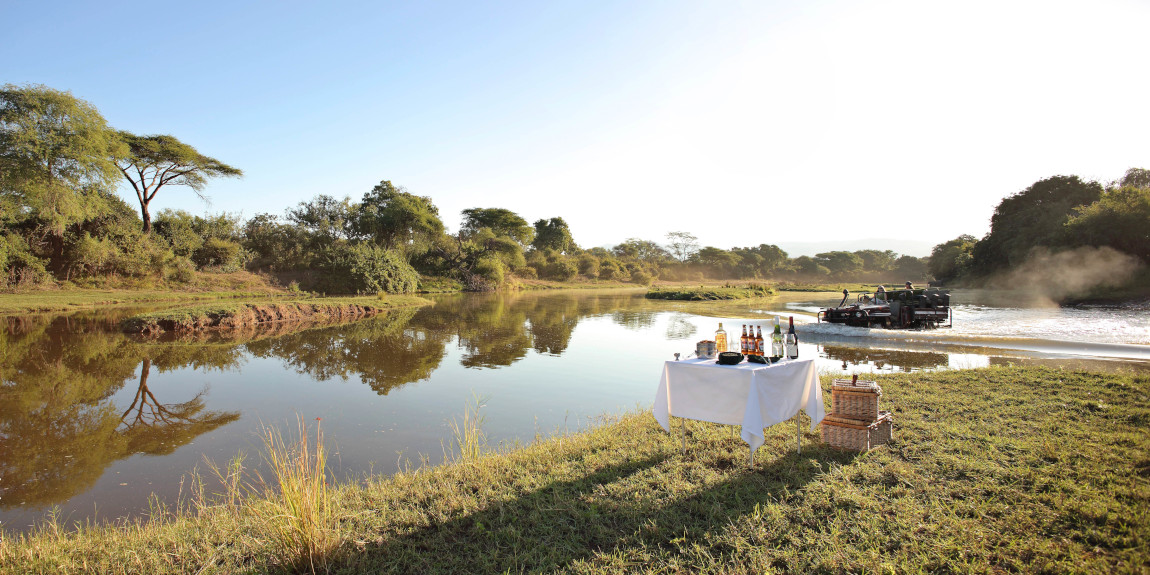
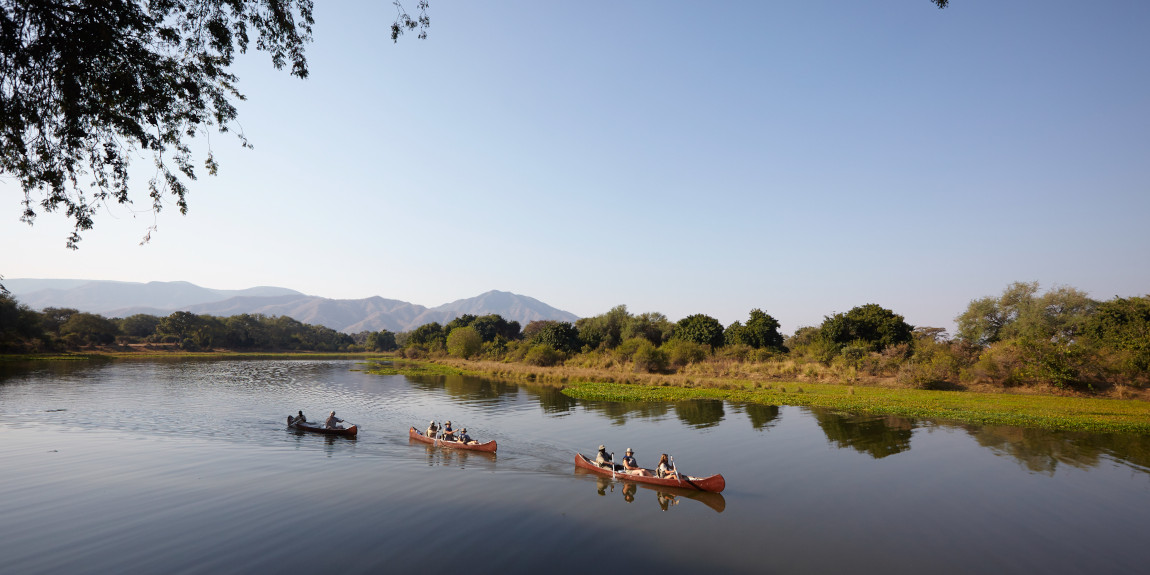
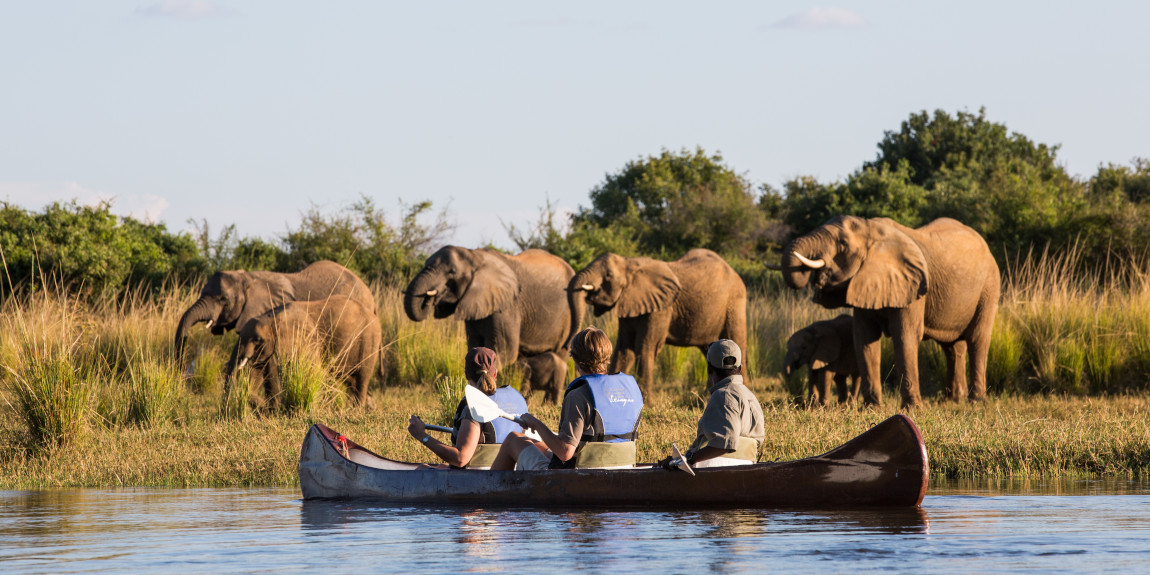
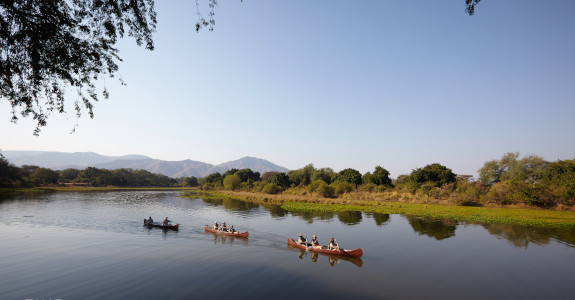
- Canoe and boat safari, fishing
- Guided walking safari
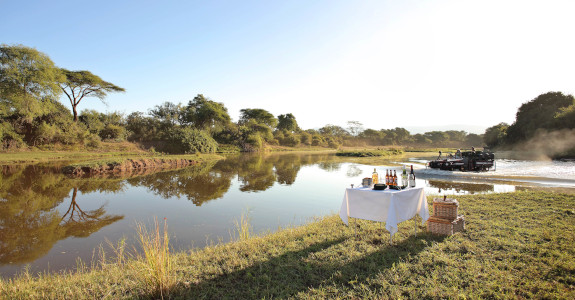
- "Sleep-Out" (optional night under the stars)
- Haven for photography enthusiasts
THE EXTRAORDINARY
Chongwe House offers the experience of the Zambian bush in exceptional conditions, with friends or family. Each of the 4 suites resembles a natural den that you retreat into to snuggle up, like in a childhood dream. The architect Neil Rocher adds, "I believe nature is the ultimate designer and we can only try to pay homage to it.".
ETHICS
The ethical approach is comprehensive: financial support for the conservation of flora and fauna, educational support in Kawaza, the employment of 90% locally trained staff, a reduction in carbon emissions and waste, respect for the natural environment, and the purchase of local food and handicrafts.