

Semliki, on the Congo border
STYLE
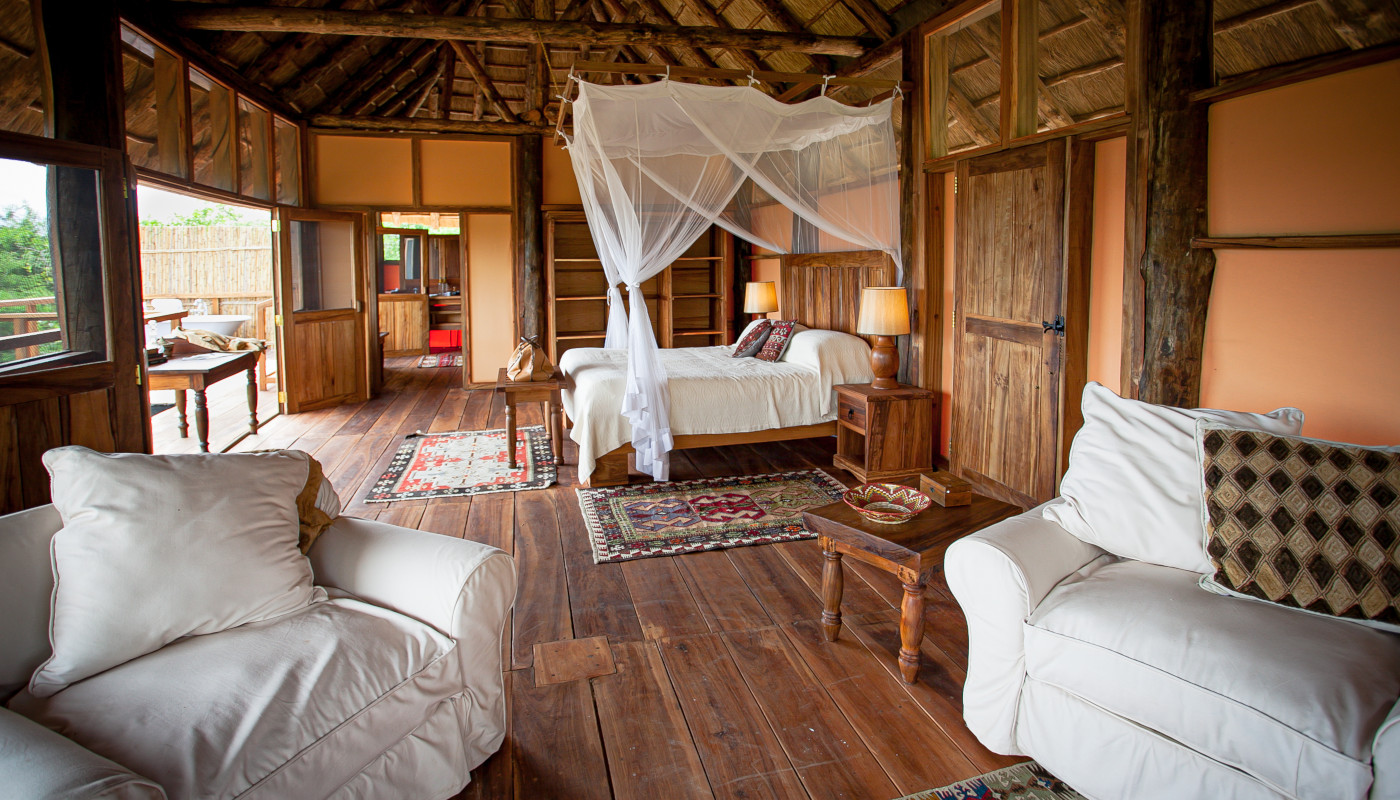
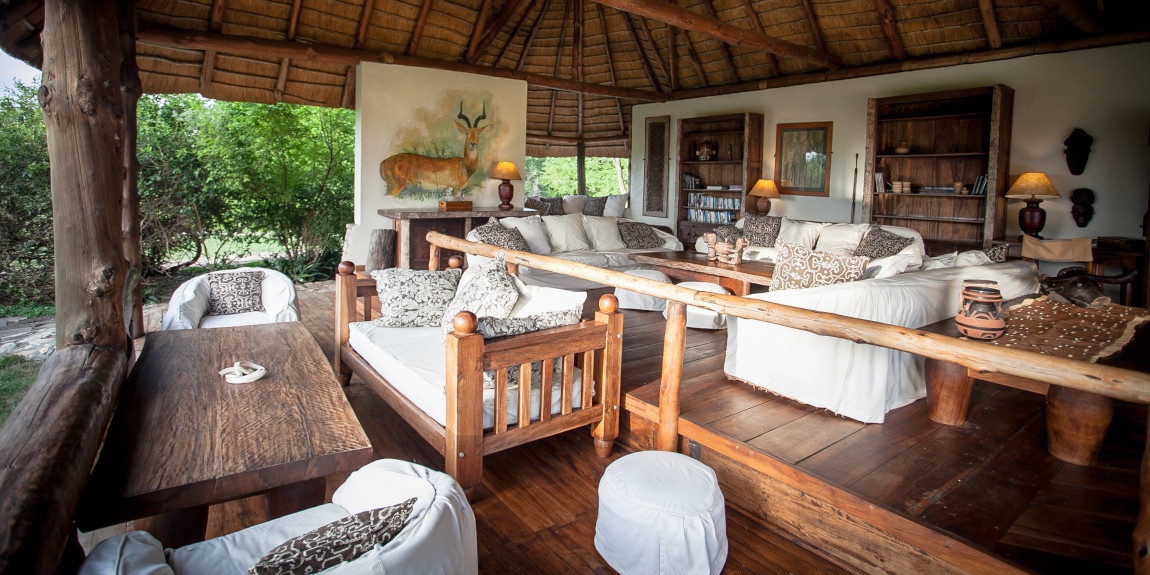
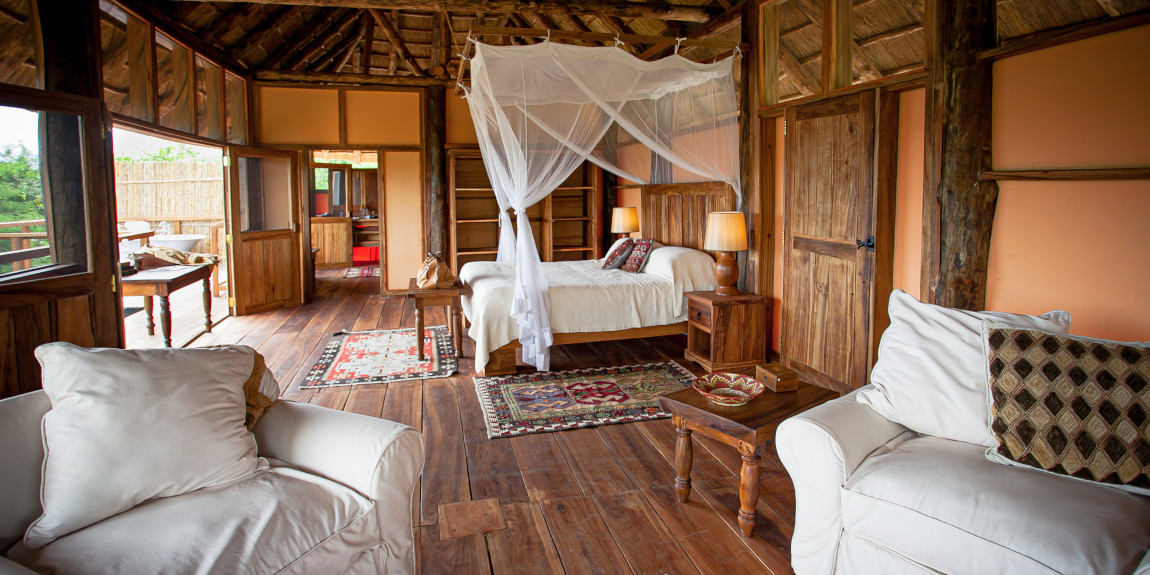
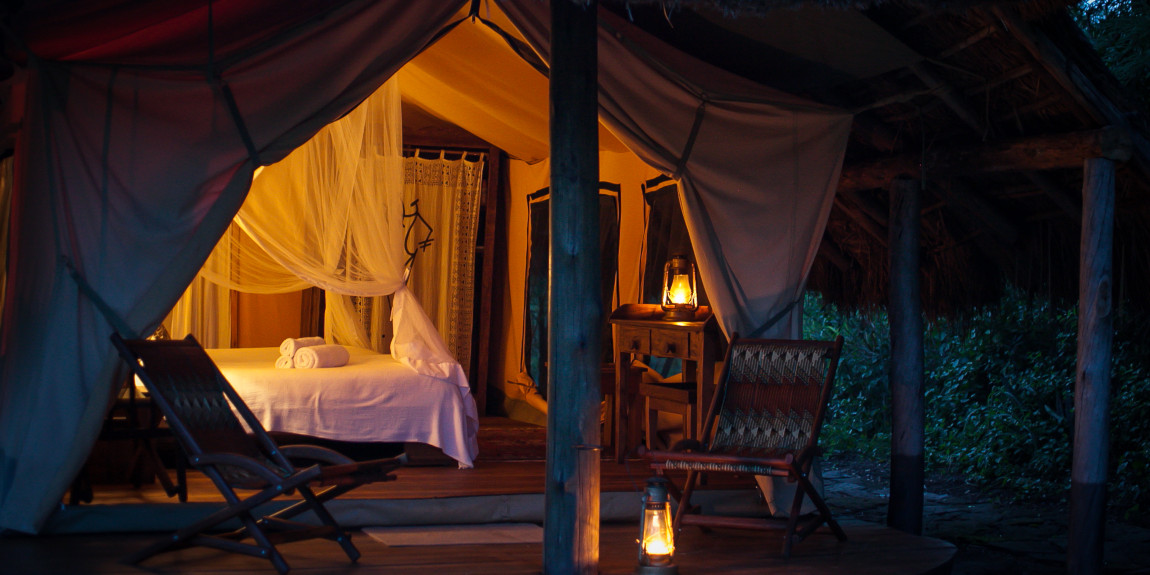
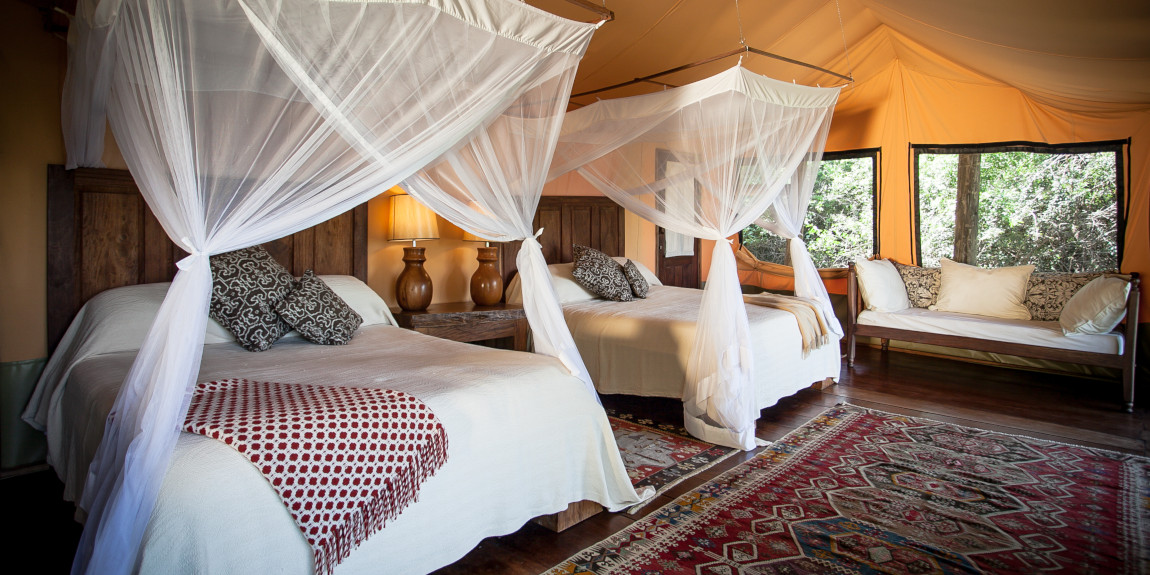
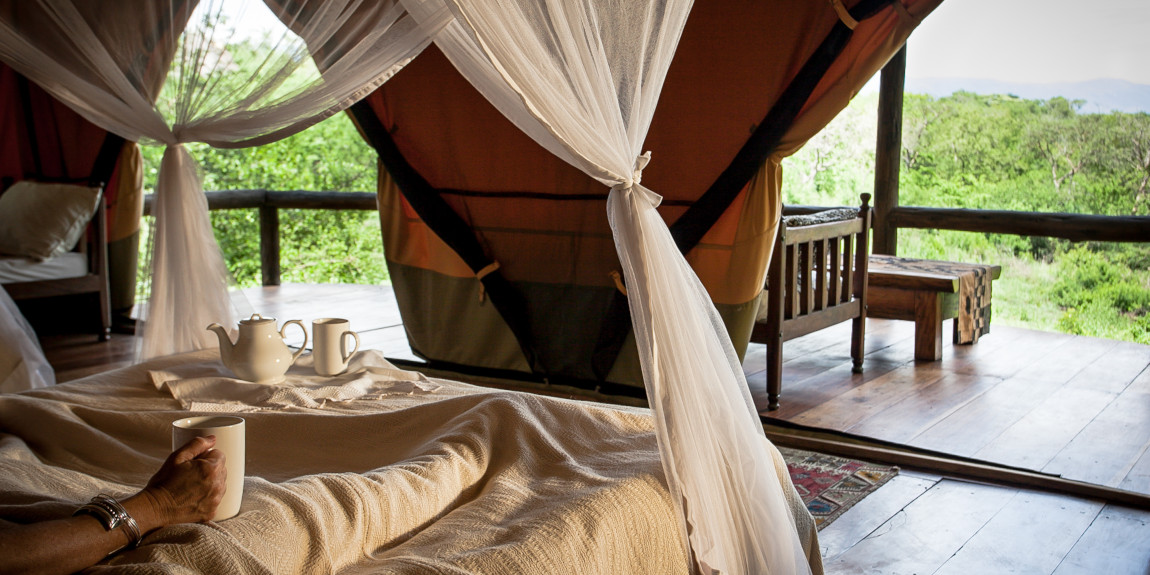
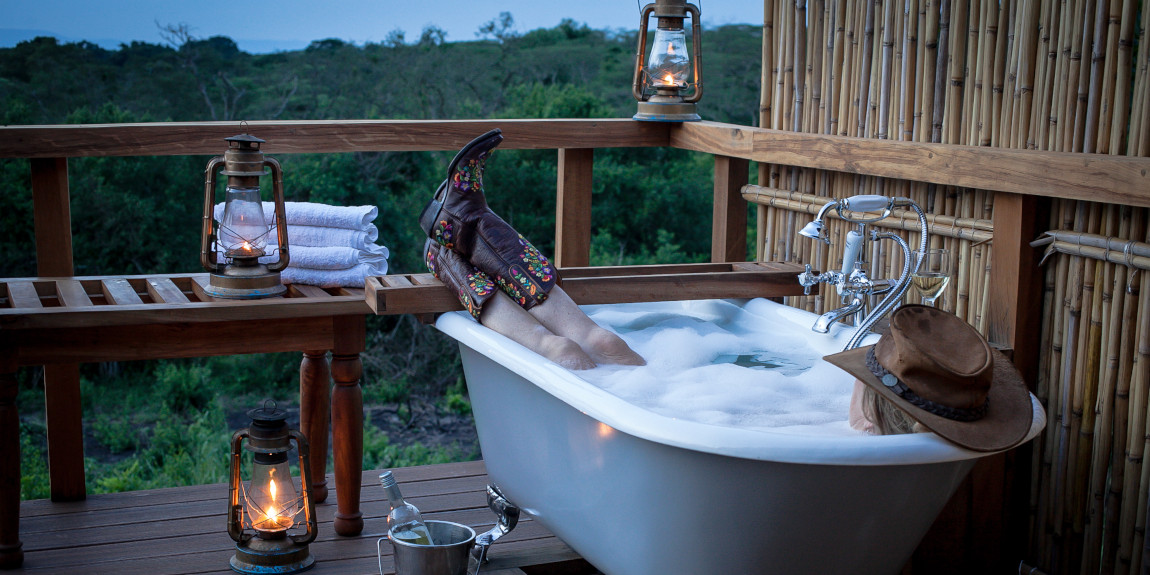
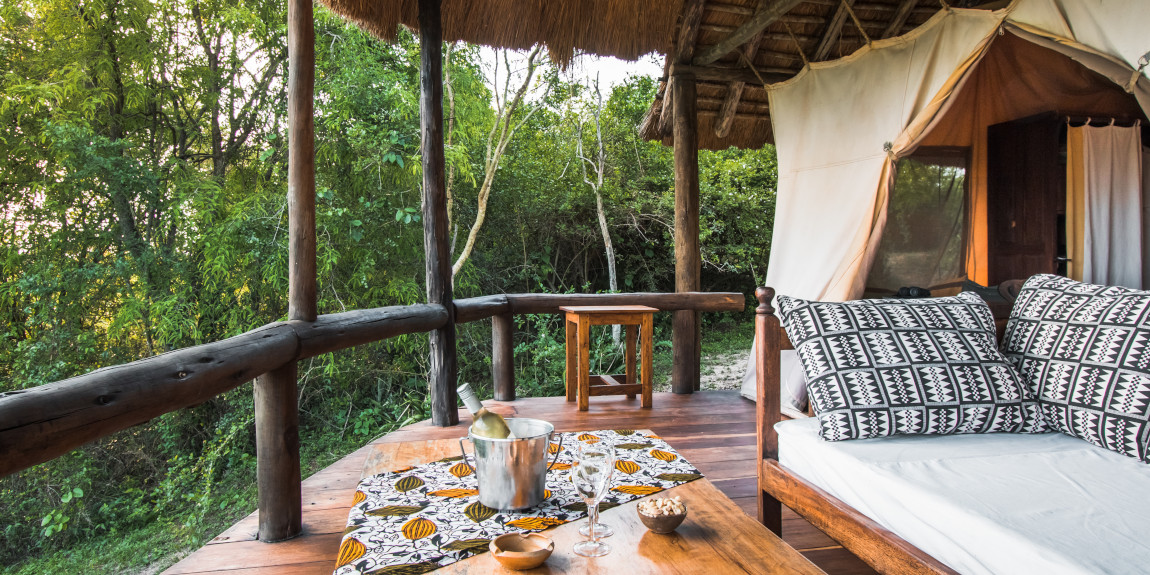
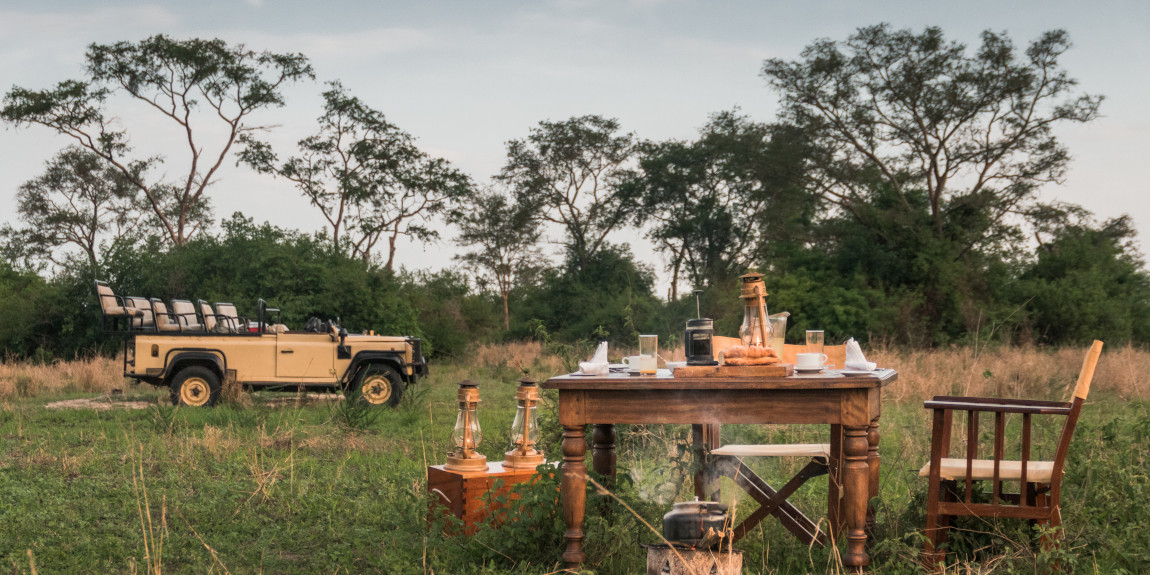
A romantic safari style with beautiful orange canvas tents
SITUATION
In the Semliki Wildlife Reserve, south of Lake Albert
CAPACITY
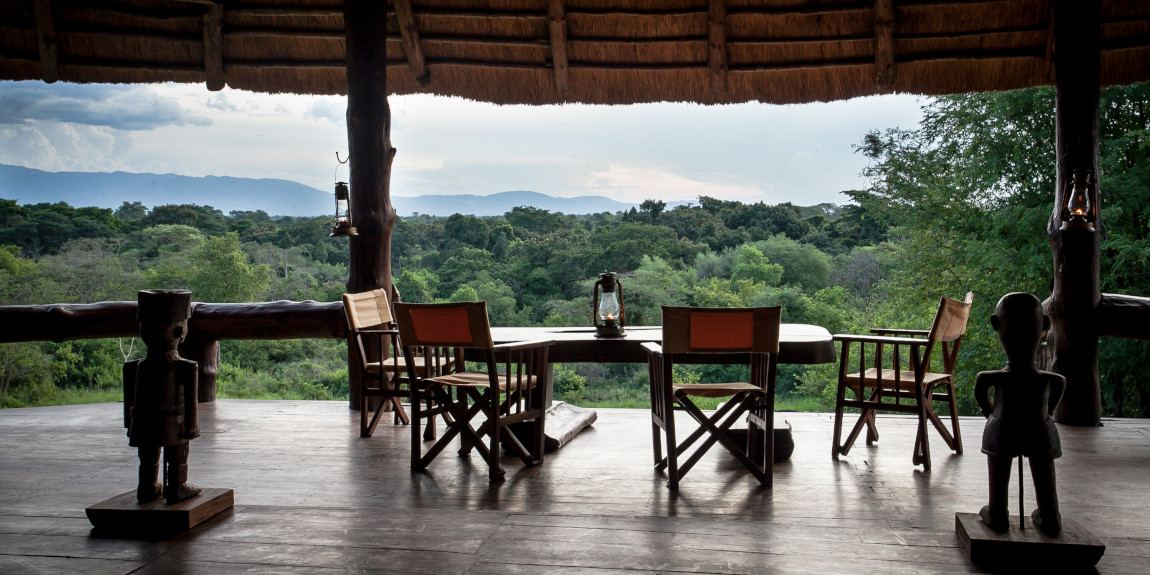
8 open-sided safari tents overlooking the Semliki reserve
HIGHLIGHTS
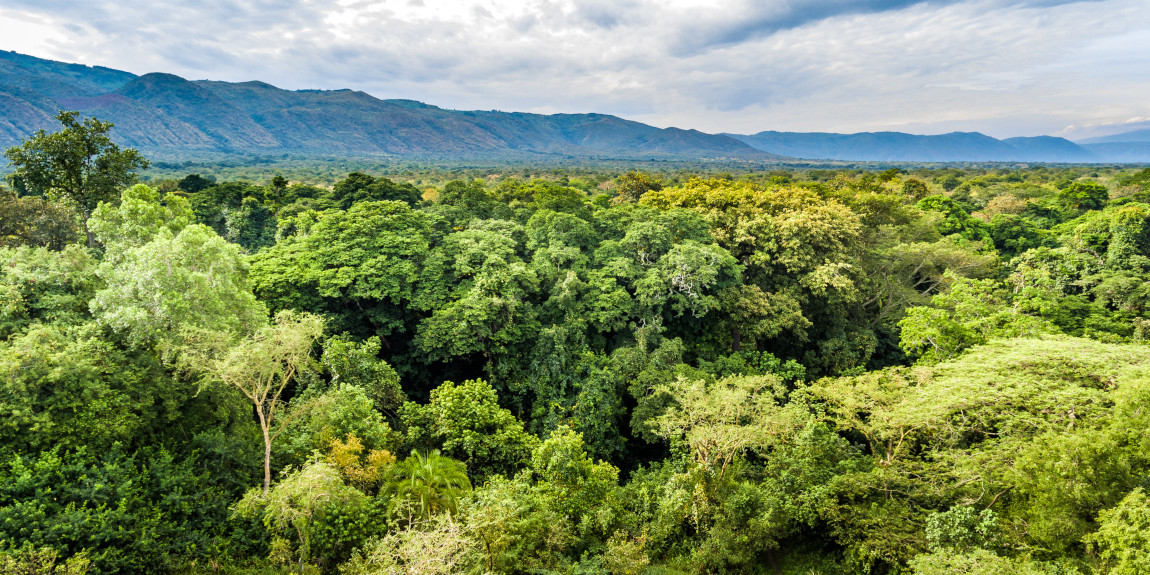
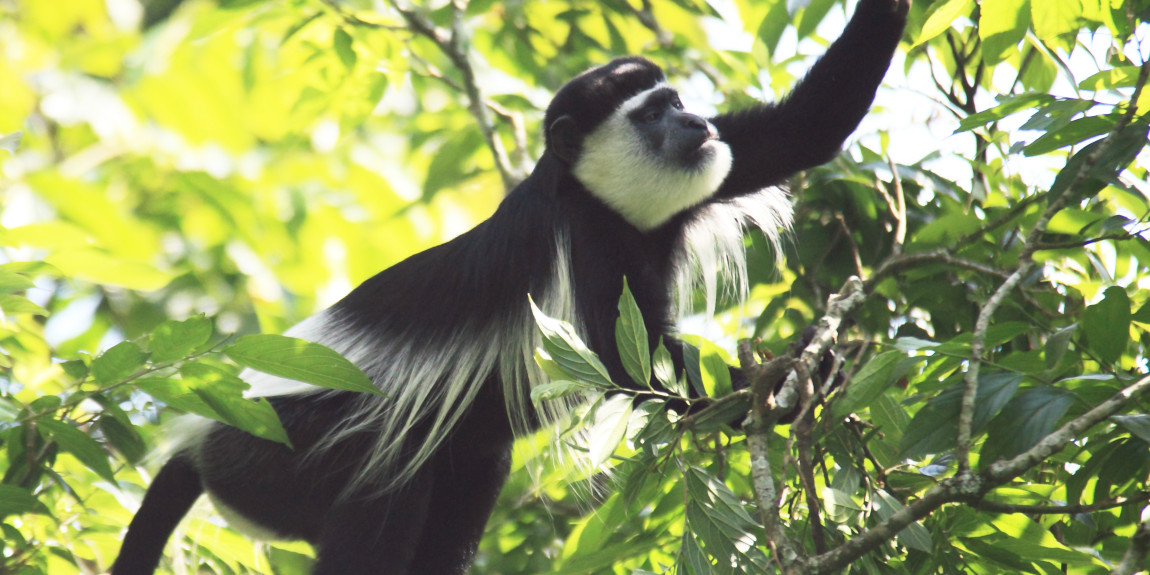
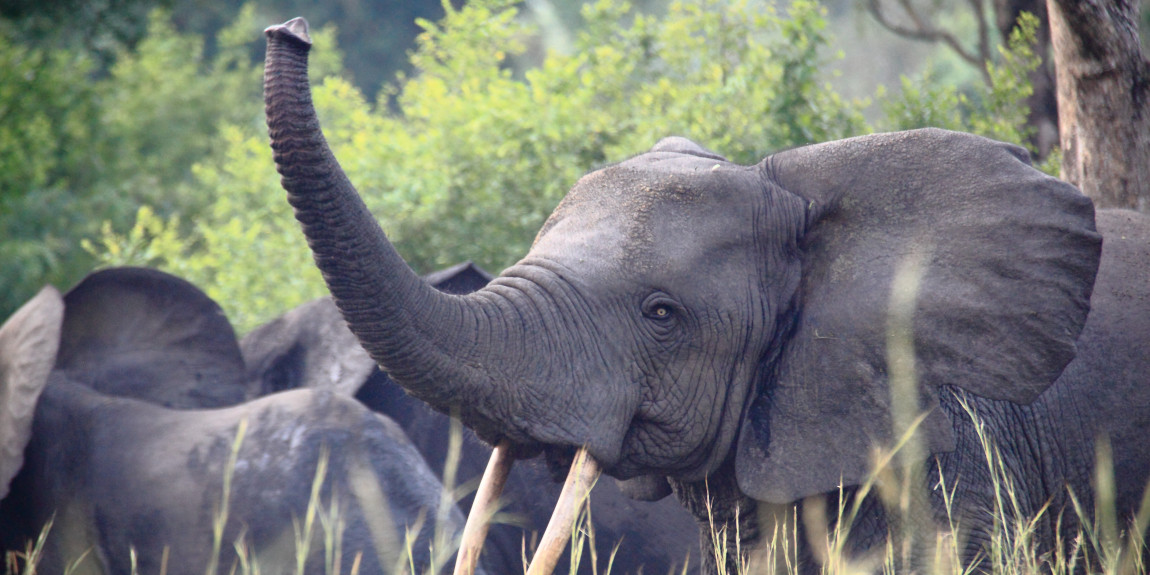
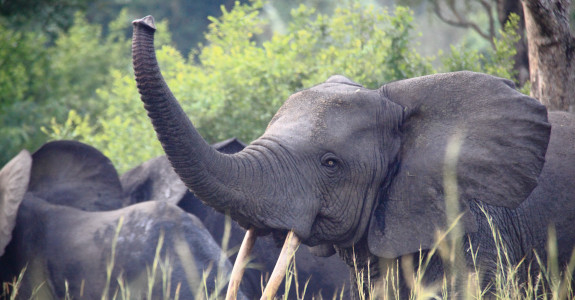
Apart from the few tourists in the region, Semliki offers wildlife midway between that of West Africa and East Africa
Semliki Safari Lodge
Semliki Safari Lodge
Semliki Safari Lodge
Semliki Safari Lodge
Semliki Safari Lodge
Semliki Safari Lodge
Semliki Safari Lodge
Semliki Safari Lodge
Semliki Safari Lodge
Semliki Safari Lodge
Semliki Safari Lodge
Semliki Safari Lodge
Semliki Safari Lodge
Semliki Safari Lodge
Semliki Safari Lodge
Semliki Safari Lodge
Semliki Safari Lodge
THE EXPERIENCES
- Chimpanzee trekking
- 4x4 safari, walking safari
- Birdwatching
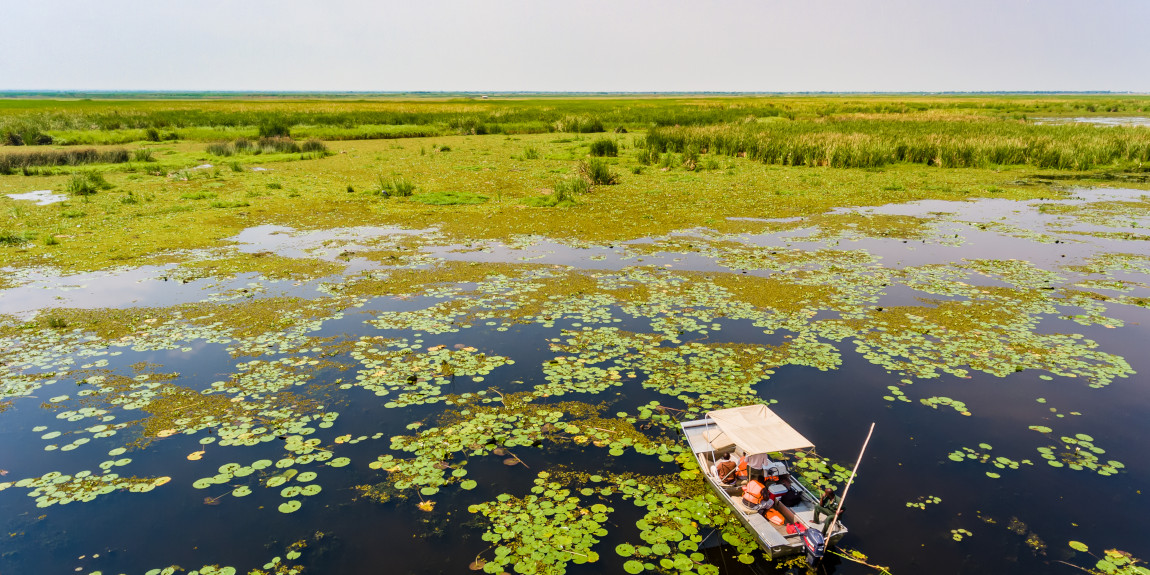
- Cruise on Lake Albert
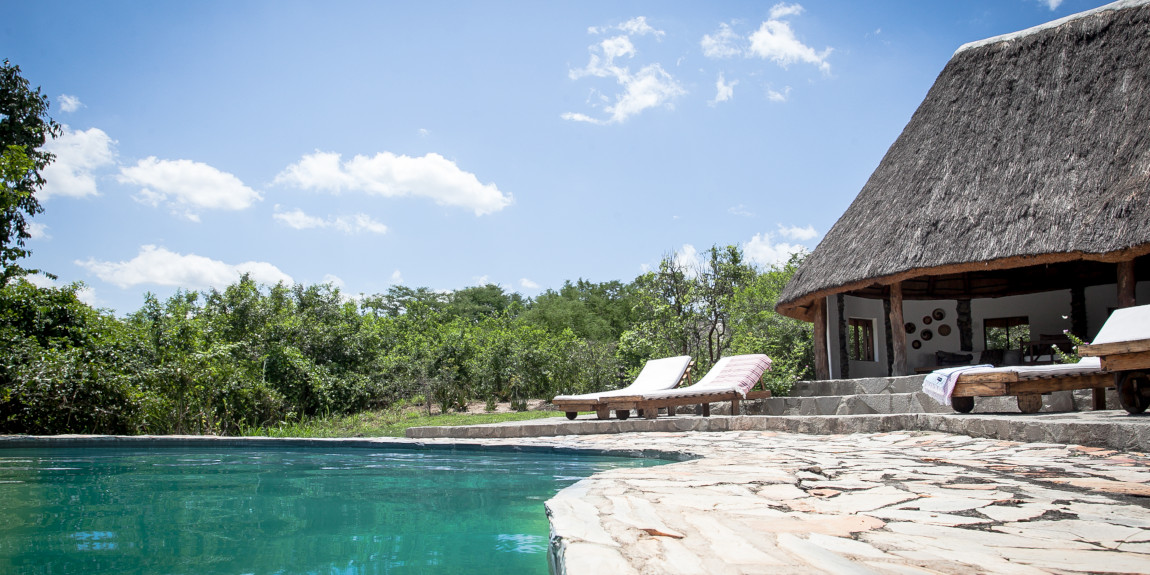
- Massage & Swimming Pool
THE EXTRAORDINARY
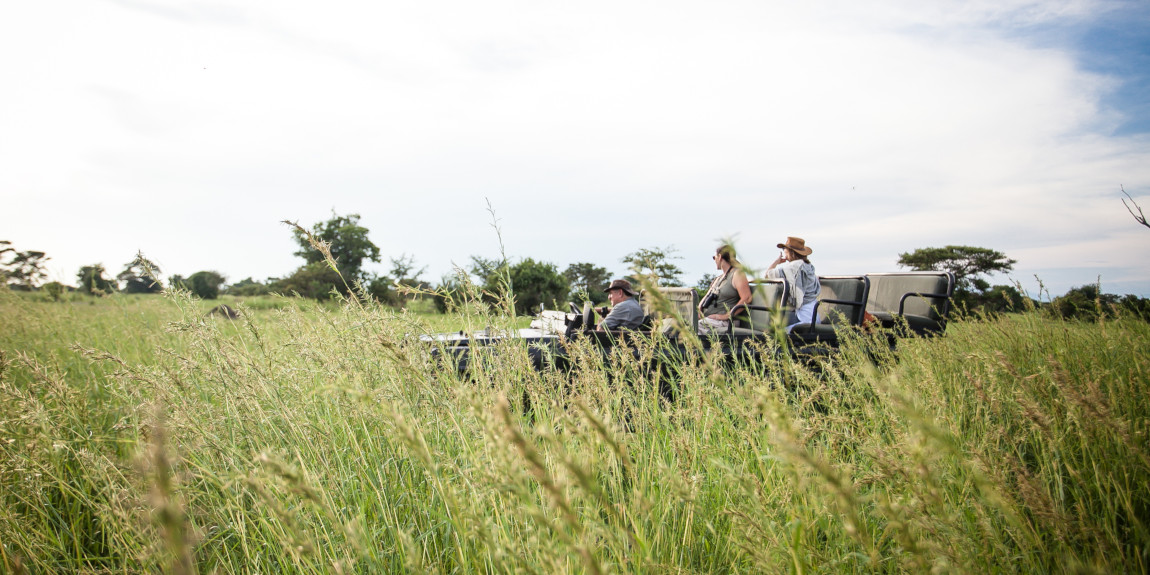
The tropical rainforest offers its guests unforgettable 4x4, walking and boat safaris. These can be enhanced by a swim in the Mungilo waterfall, a visit to the spectacular Nkusi falls, the discovery of the strange shoebill stork, and the tracking of friendly chimpanzees.
ETHICS
When Semliki was being built in 1992, the Semliki Valley was about to lose its park status. By participating in chimpanzee research and building a village library to teach children about environmental respect and women about antenatal care and nutrition, the valley was able to regain its status.