
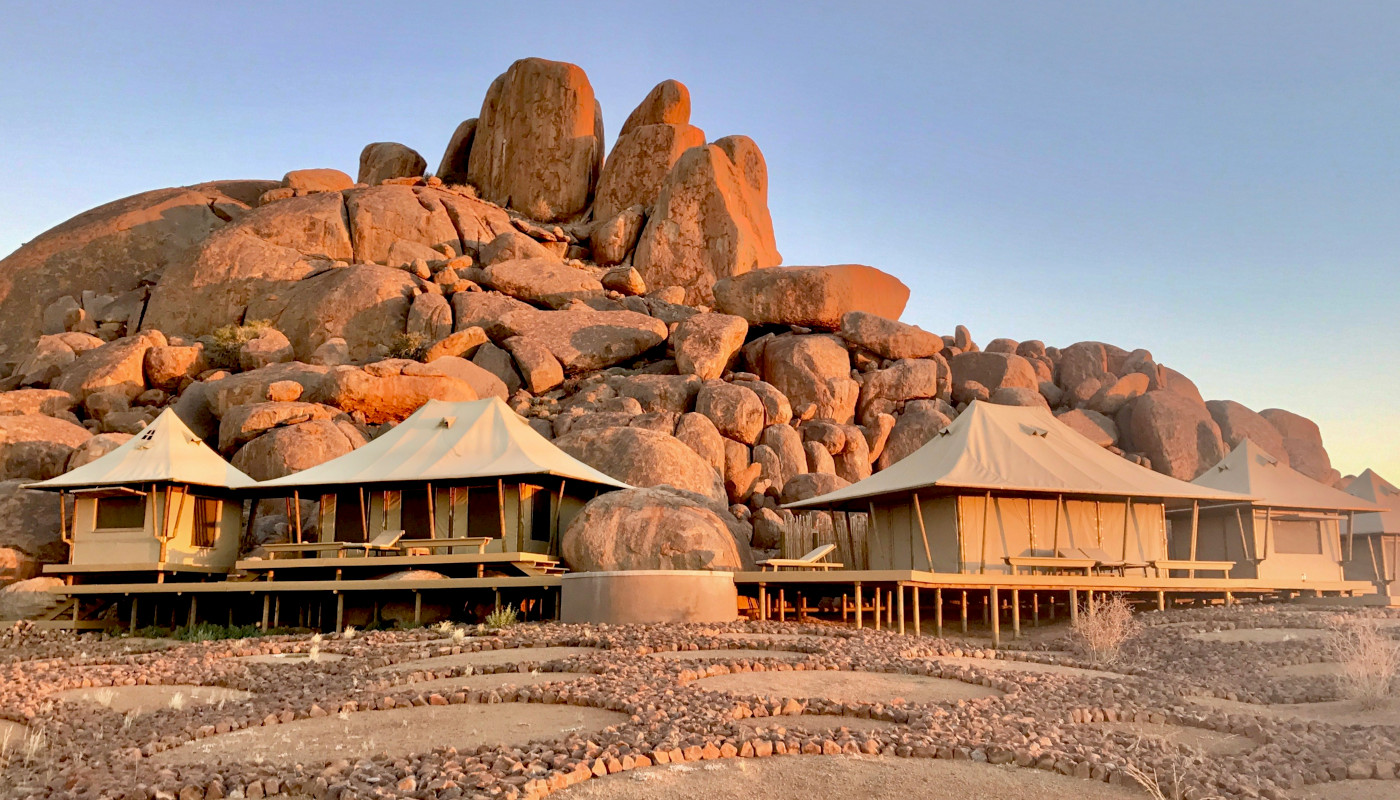

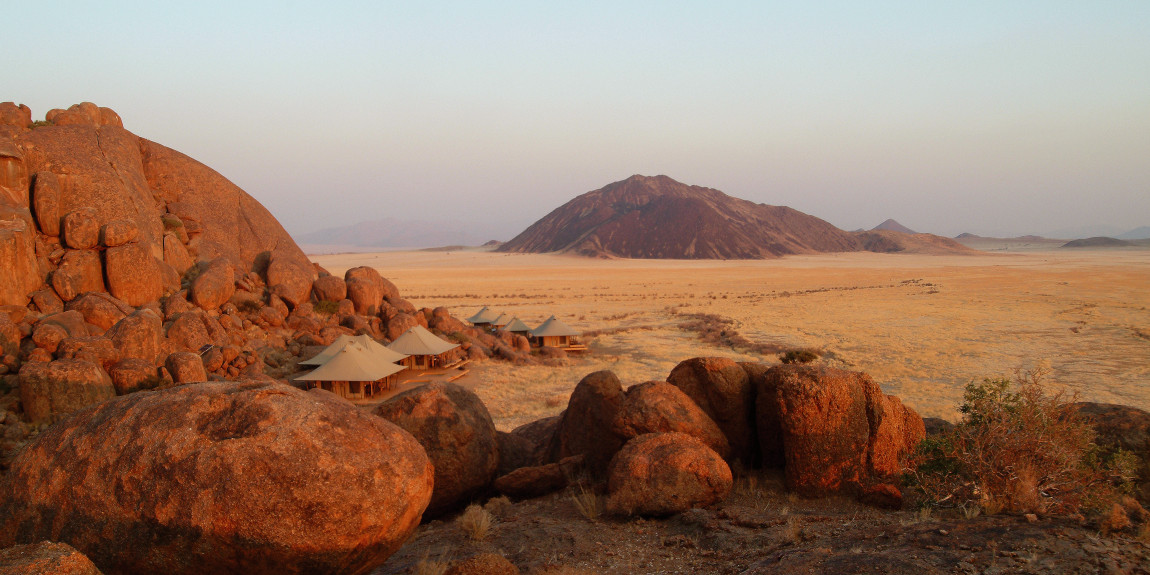
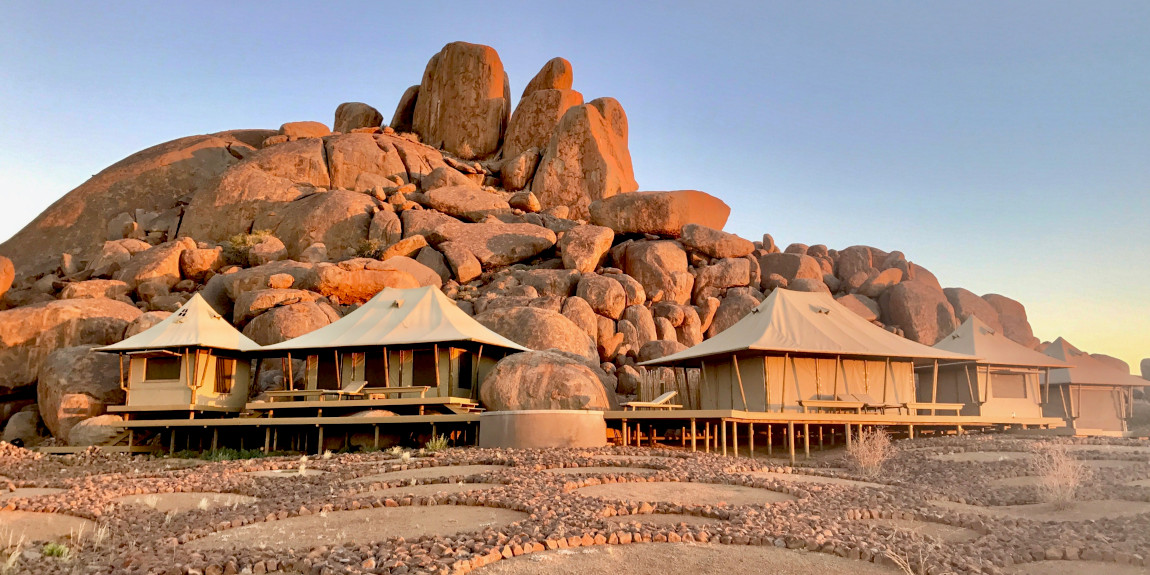
Boulders Safari Camp, in the heart of the granite
STYLE
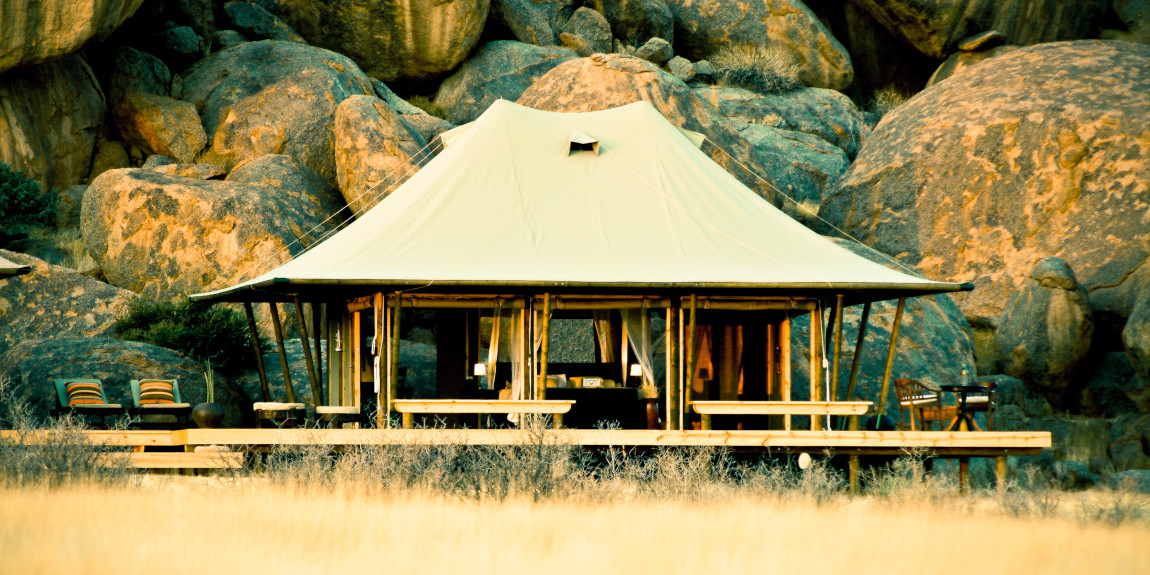
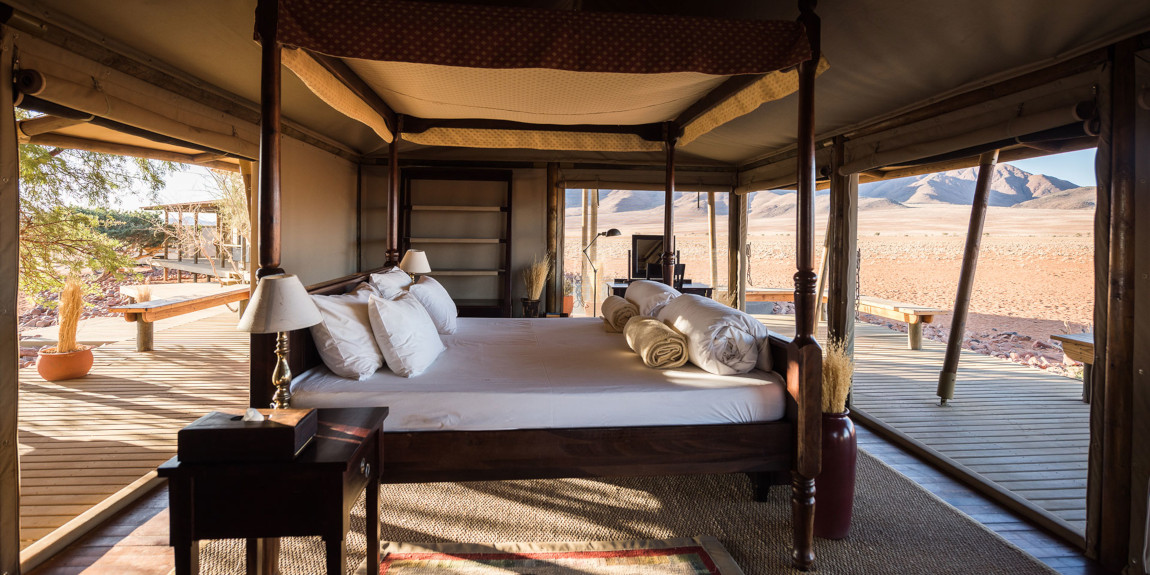
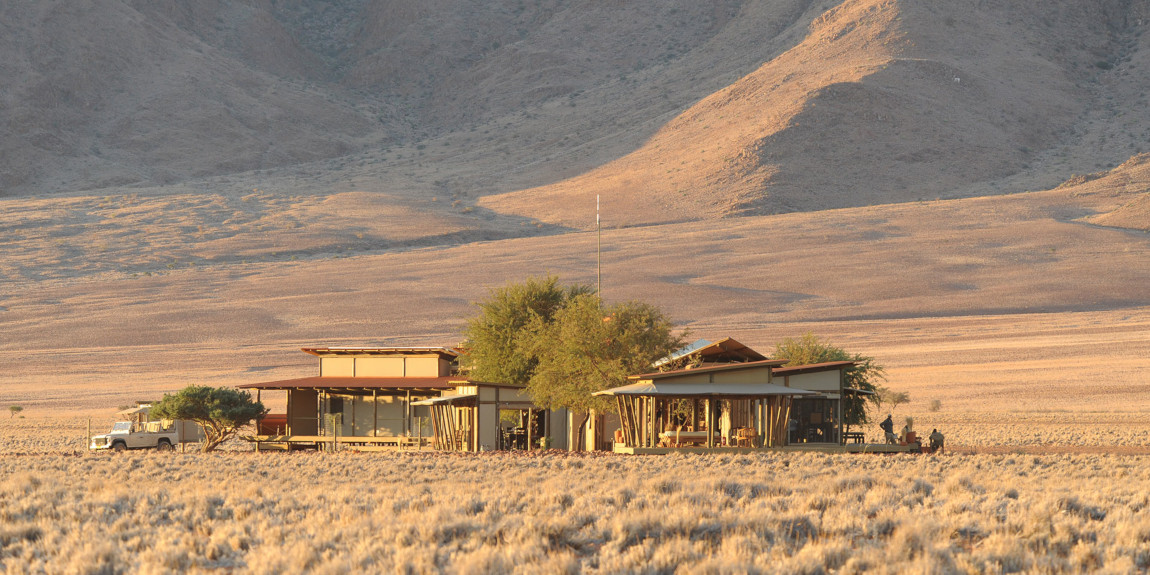
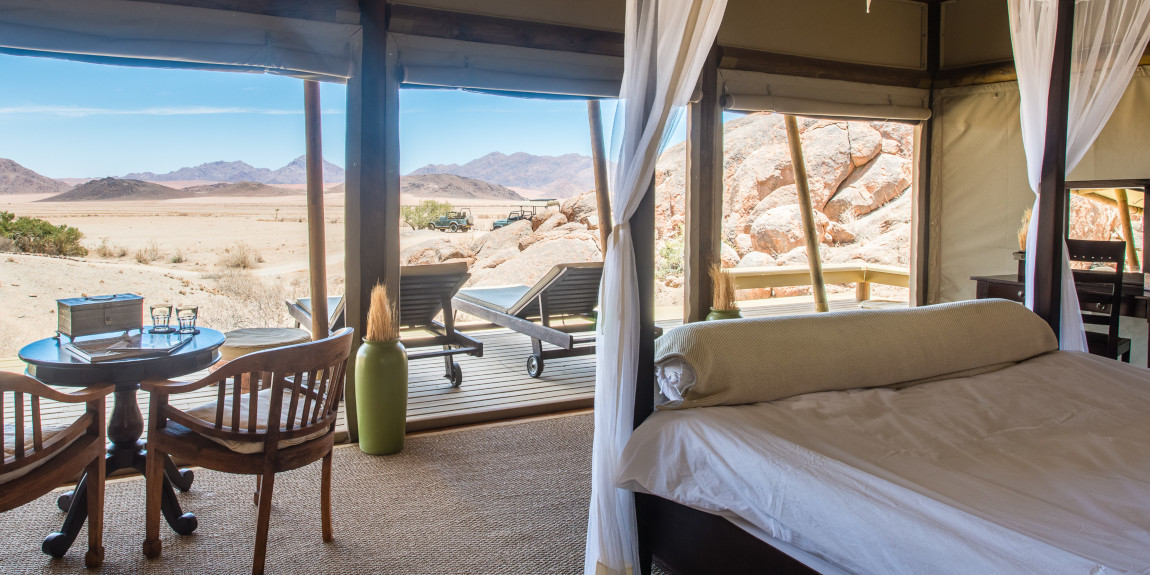
The tents feature a chic and understated colonial style suited to the harshness of the desert
SITUATION
60 km south of Sossusvlei, on the edge of the Namib Naukluft National Park
CAPACITY
5 tents blending into granite boulders facing the desert
HIGHLIGHTS
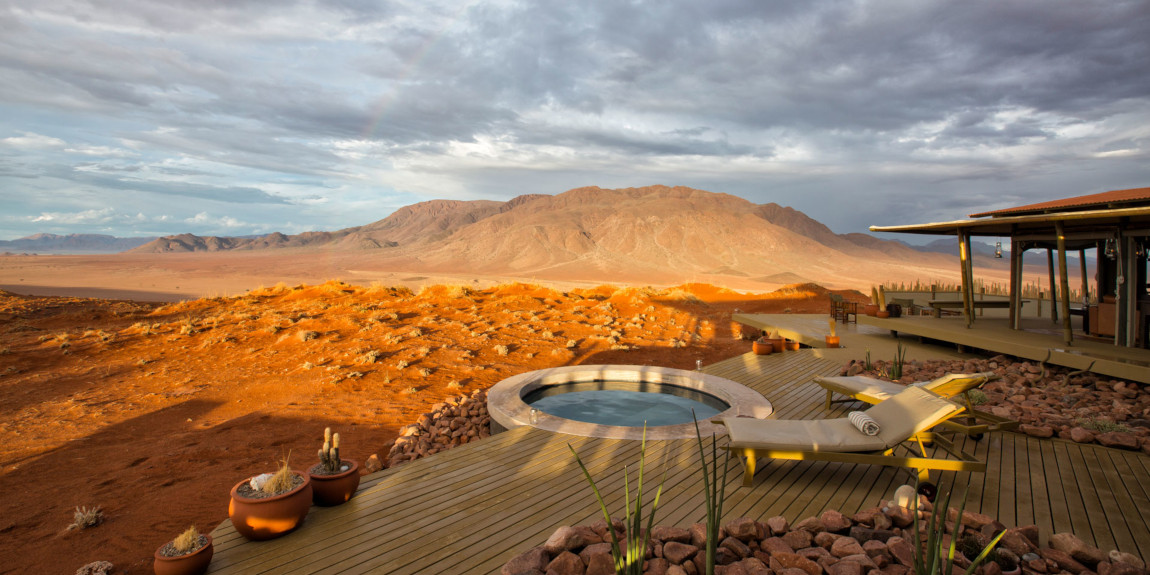
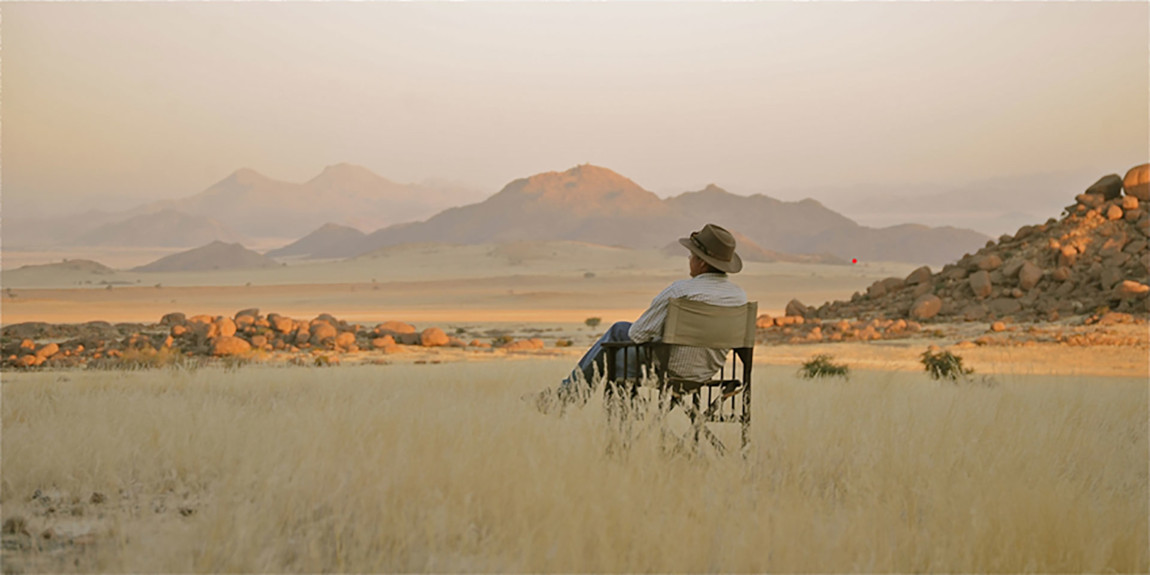
The Safari Camp's hidden location is exceptional, the camp is far away from everything, and silence reigns supreme
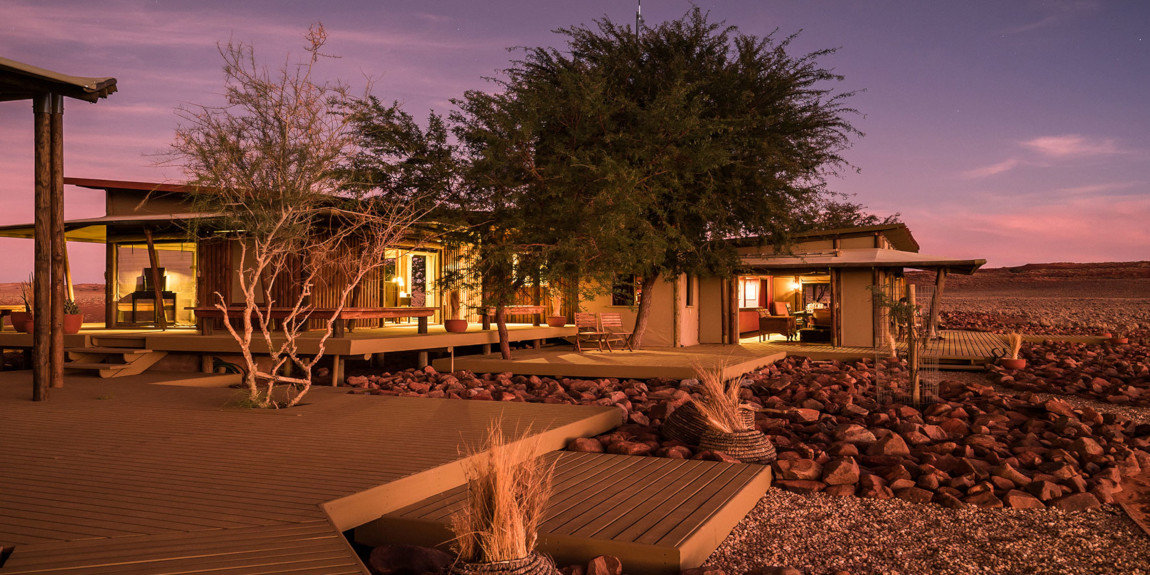
Wolwedans Boulders Safari Camp
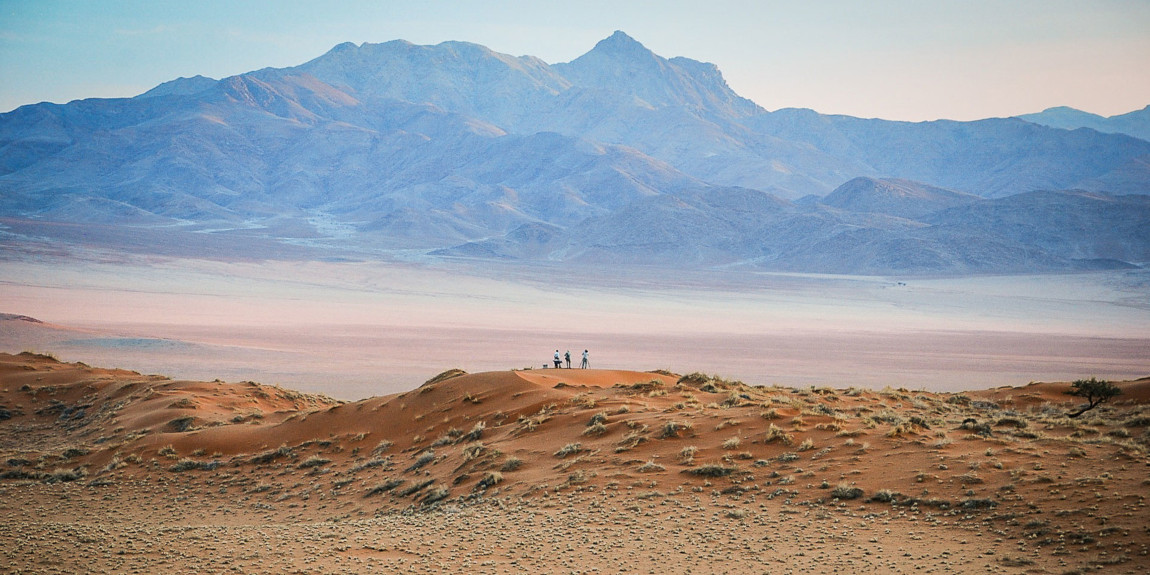
Wolwedans Boulders Safari Camp
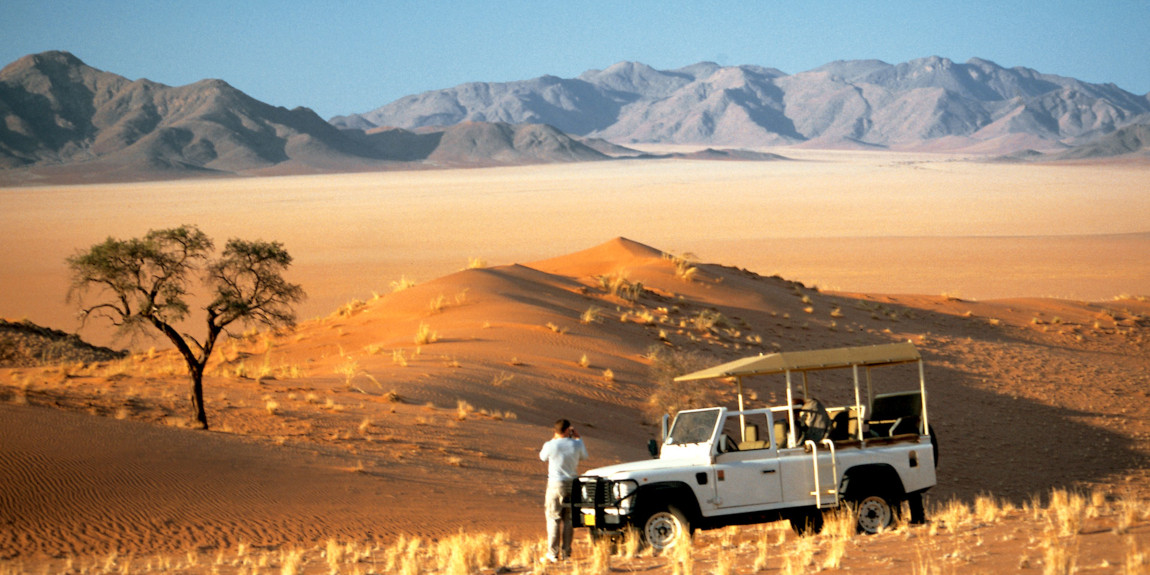
Wolwedans Boulders Safari Camp
Wolwedans Boulders Safari Camp
Wolwedans Boulders Safari Camp
Wolwedans Boulders Safari Camp
Wolwedans Boulders Safari Camp
Wolwedans Boulders Safari Camp
Wolwedans Boulders Safari Camp
Wolwedans Boulders Safari Camp
Wolwedans Boulders Safari Camp
Wolwedans Boulders Safari Camp
Wolwedans Boulders Safari Camp
THE EXPERIENCES
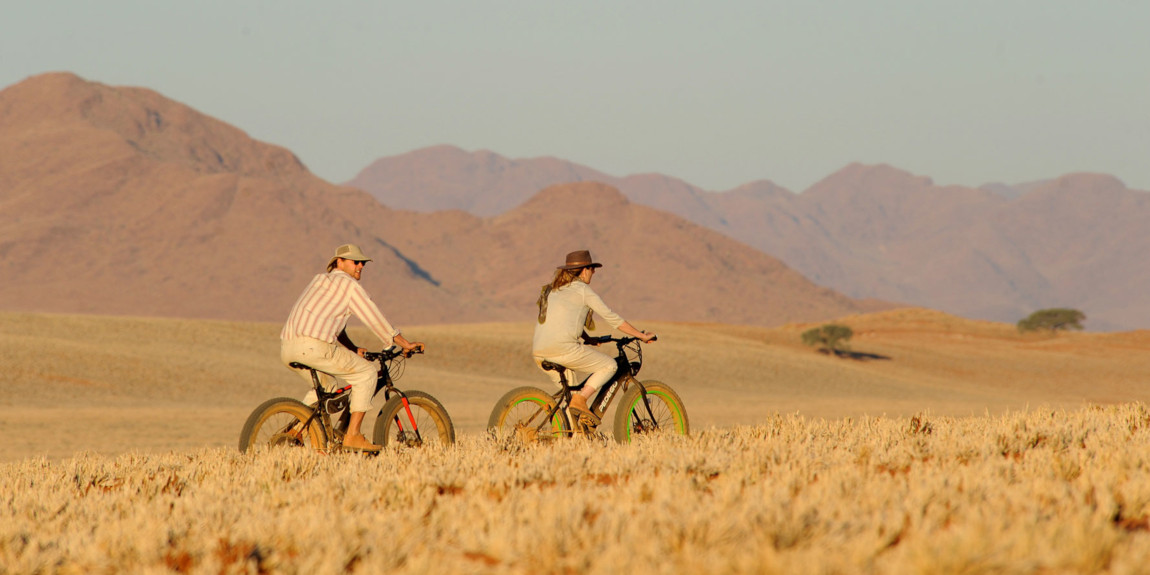
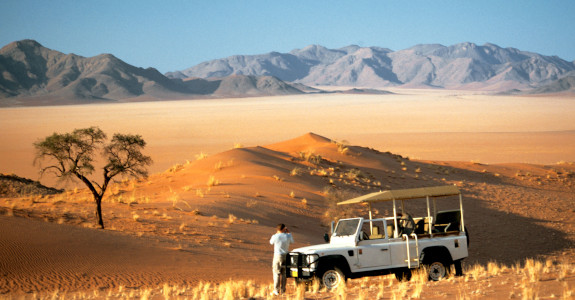
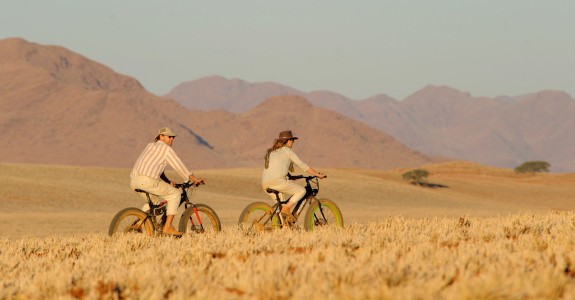
- 4x4 safari, walking safari to discover animal and plant species adapted to the desert
- Village tour
- At the lodge: Swimming pool, bush spa
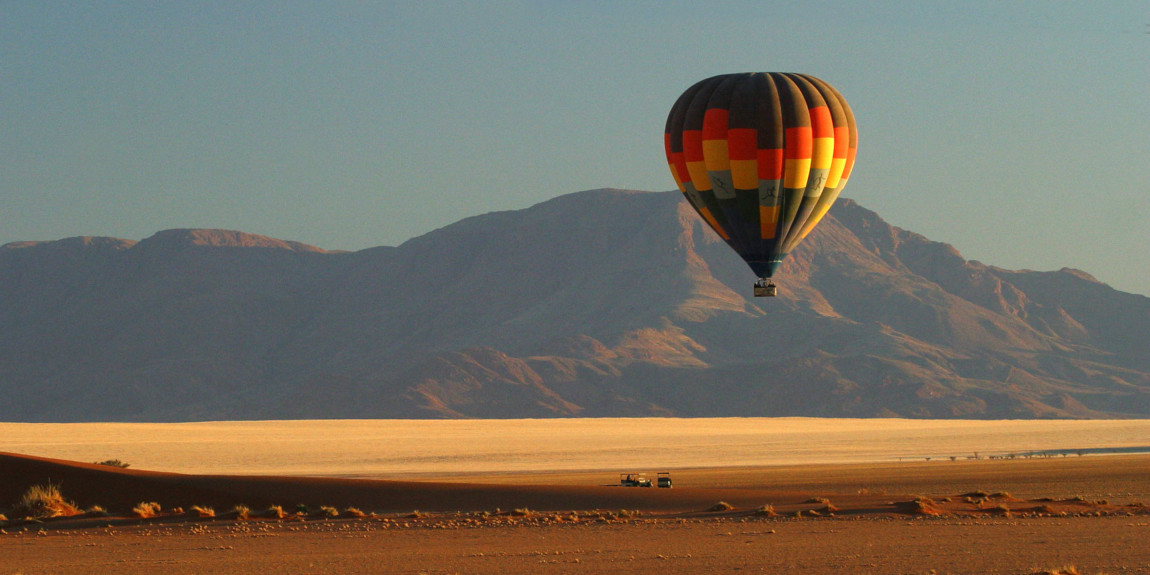
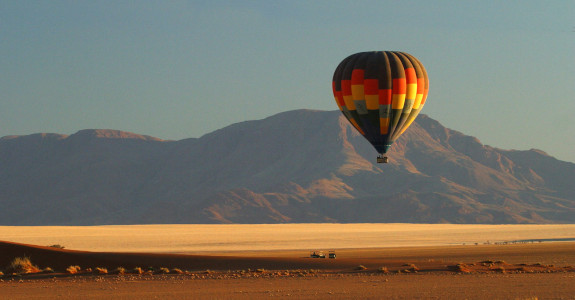
- Optional extra: Hot-air balloon or private light aircraft flight over the dunes
THE EXTRAORDINARY
Wolwedans is not just a simple tourist stopover for visiting the Sossusvlei dunes, it is a magical place that must be discovered and given the time to be appreciated. No ostentatious luxury, but a subtle and refined immersion in a natural setting with relaxing qualities. At the source of intimacy, immensity and beauty.
ETHICS
Wolwedans is an active member of The Long Run organisation, which aims to have its members certified as Global Ecosphere Retreats as they apply the 4Cs rule (Commerce, Conservation, Community and Culture) in the running of their tourism operations. There are numerous concrete actions, such as the reintroduction of cheetahs, the transition to solar energy, and the training of local communities in hospitality and gastronomy...