
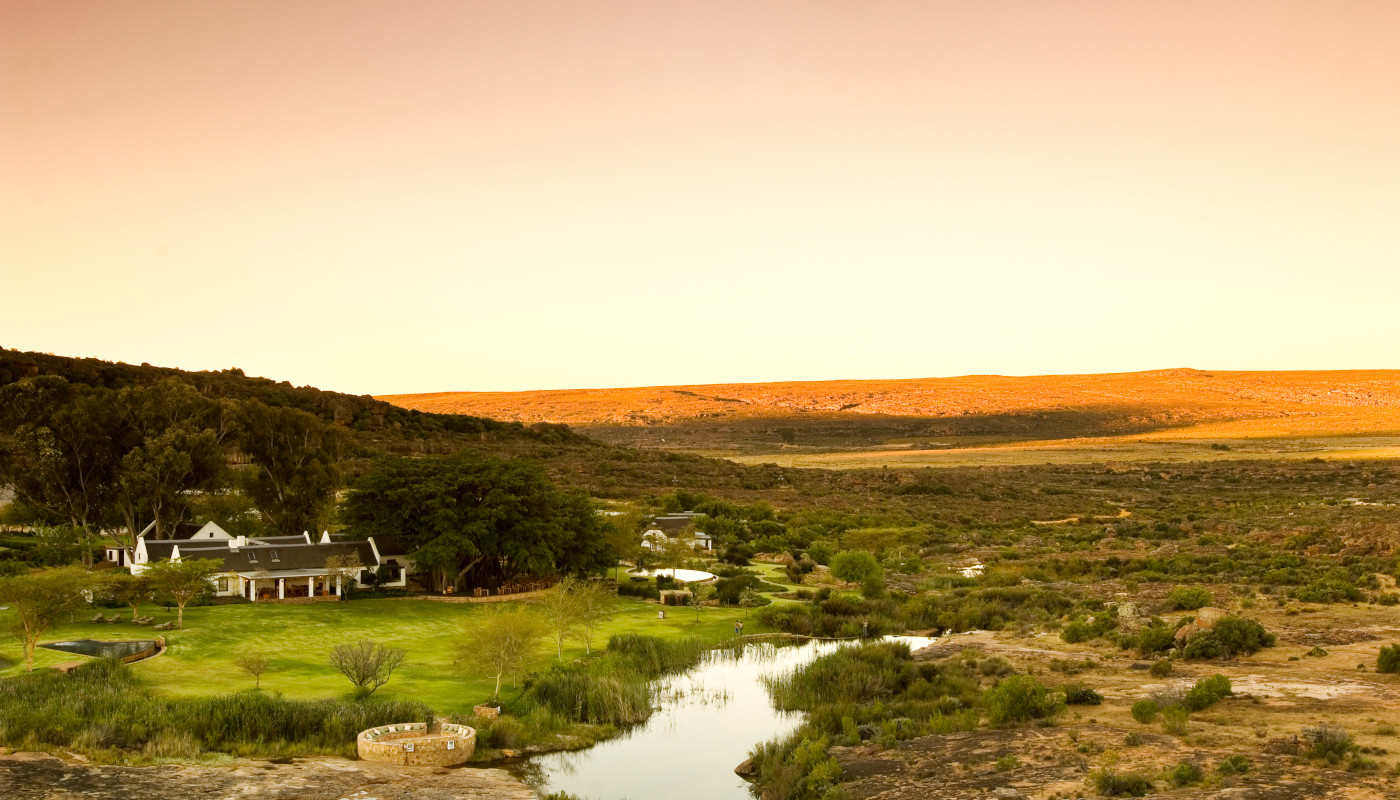

Bushmans Kloof, an ecological oasis
STYLE
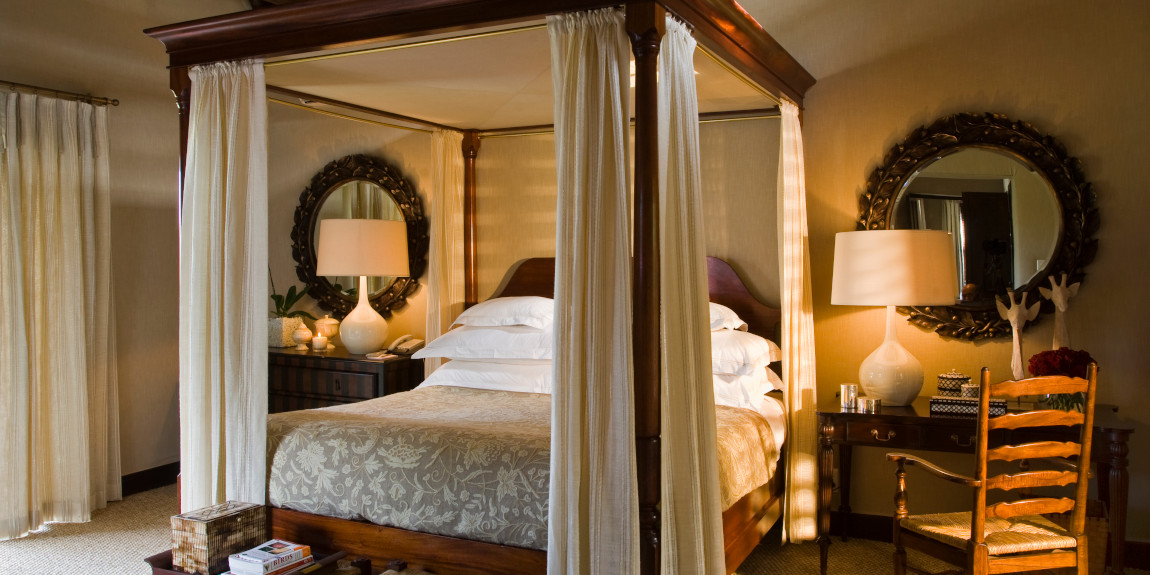
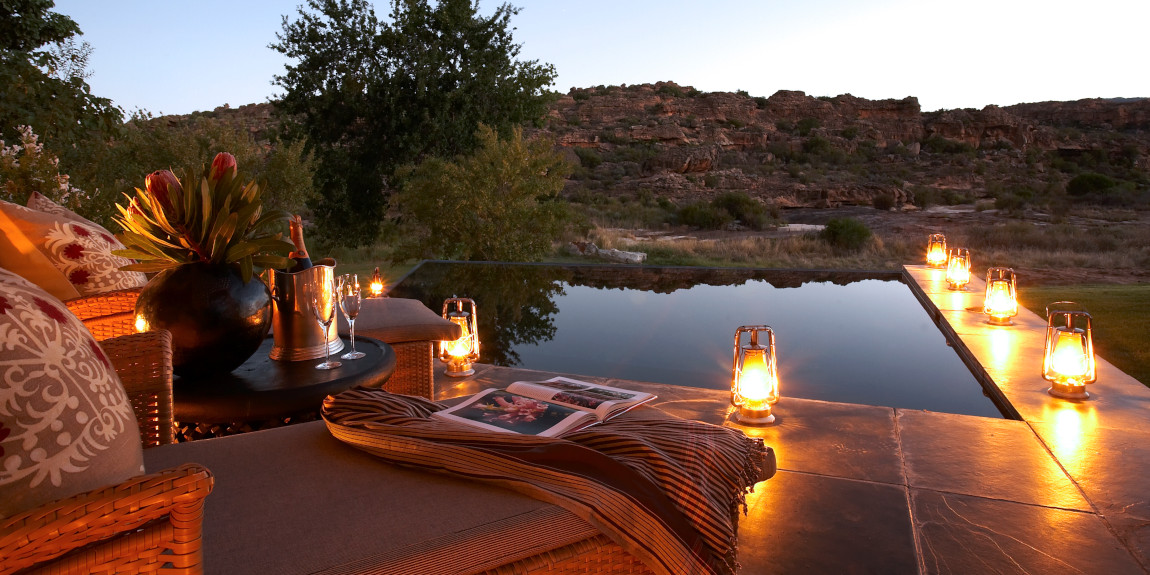
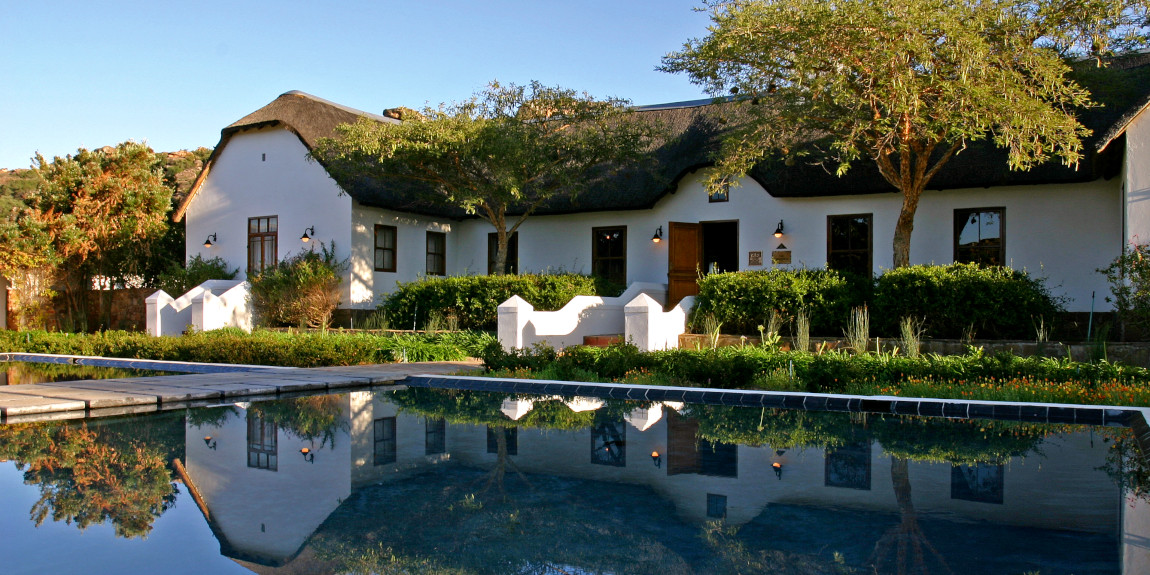
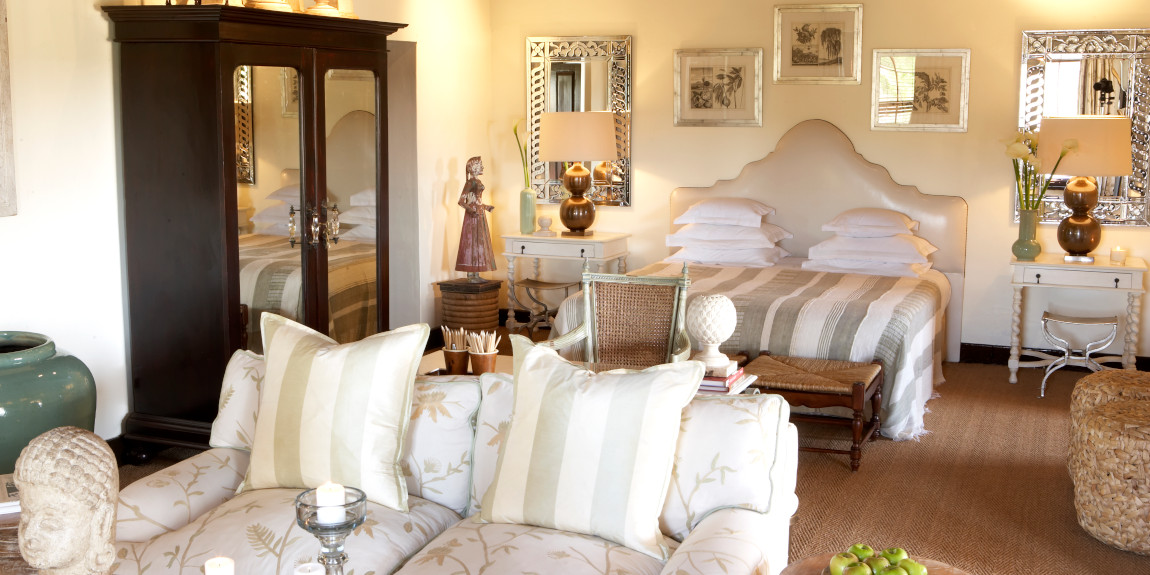
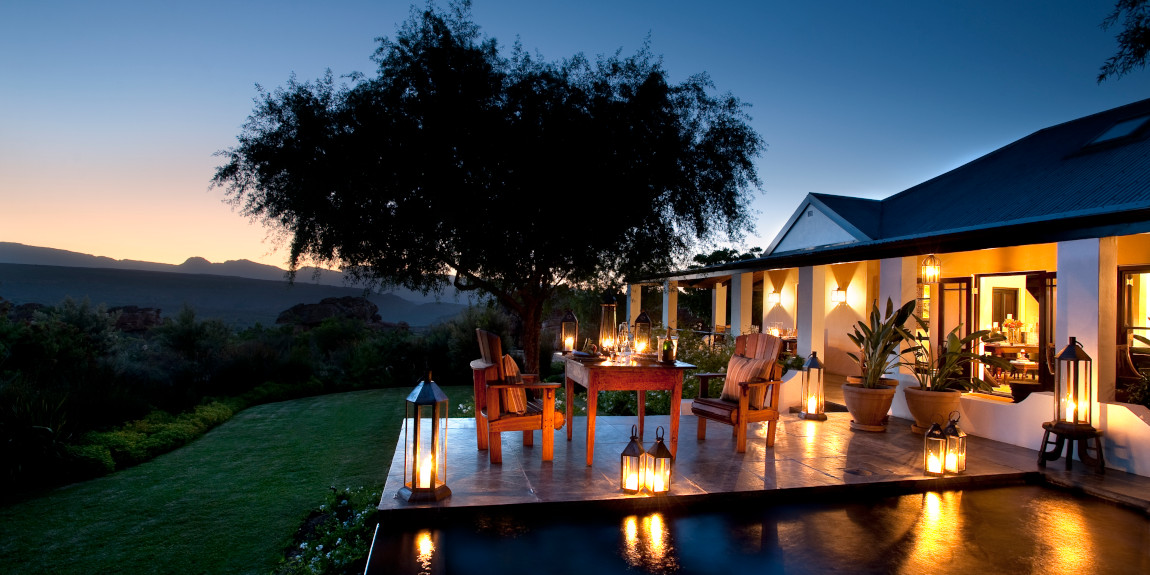
The bedrooms have been designed in a very successful country-chic style
SITUATION
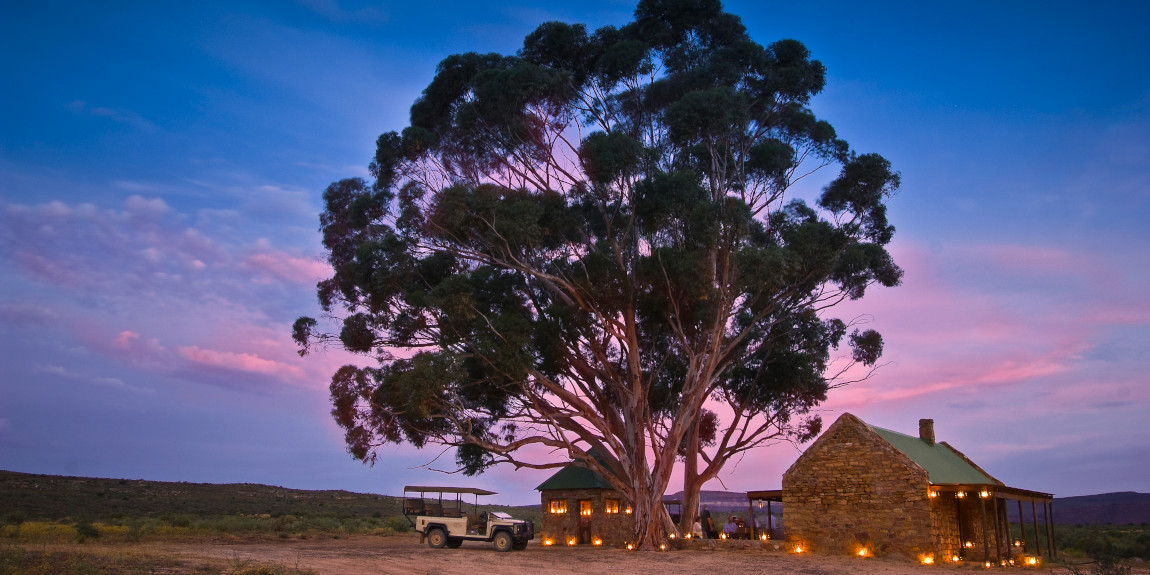
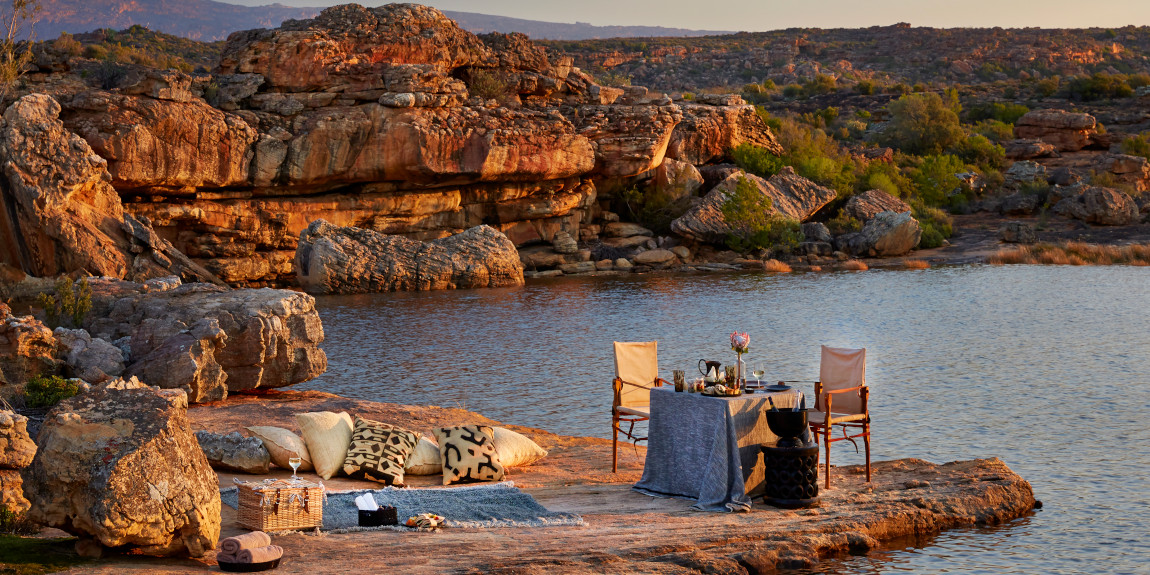
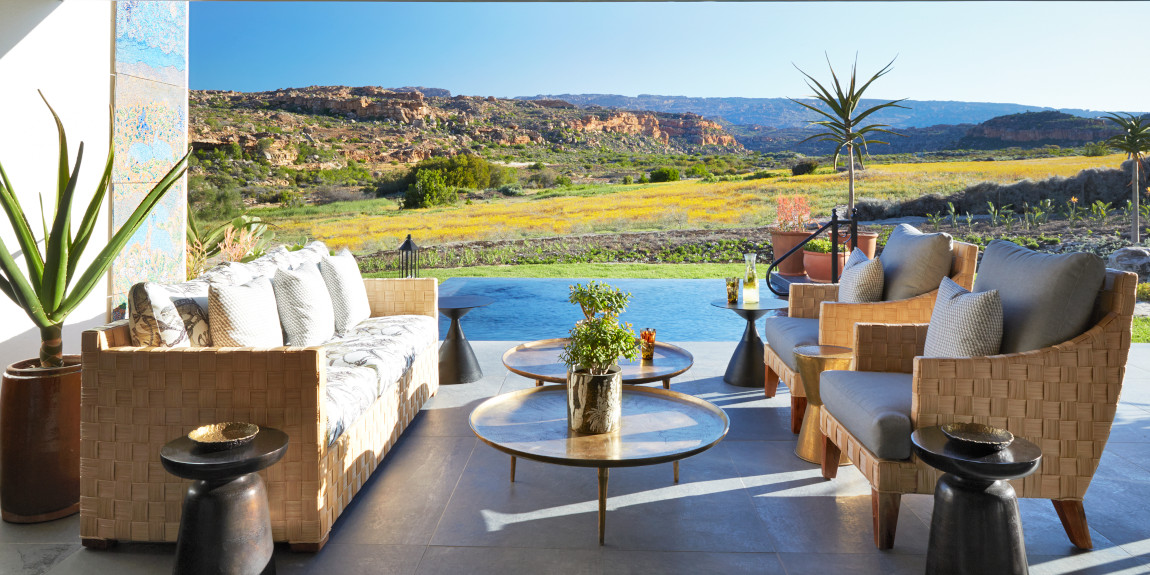
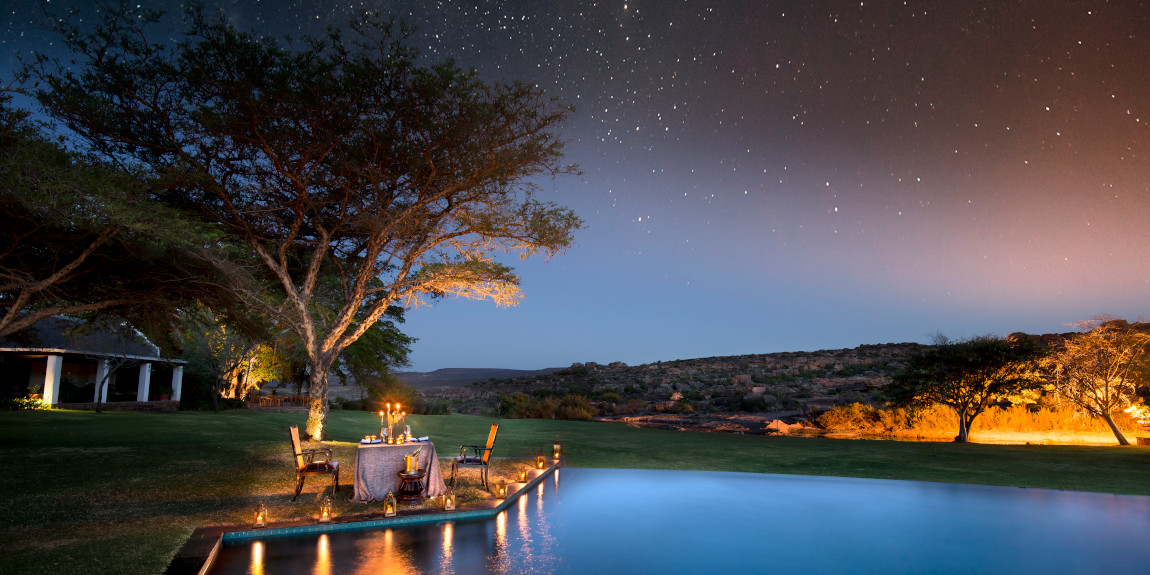
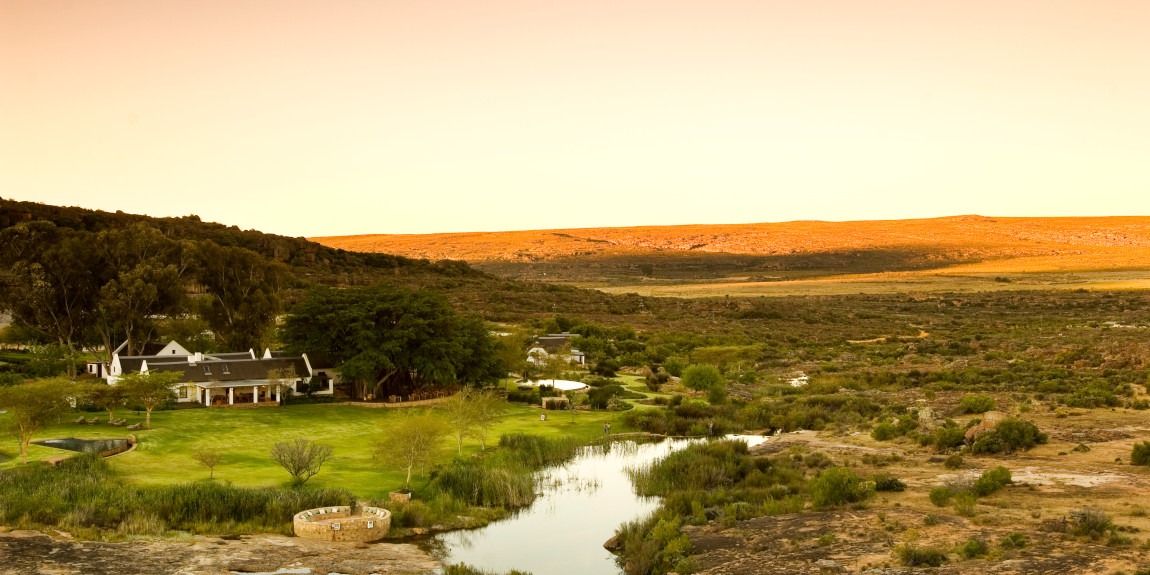
Ecological paradise situated at the foot of the Cederberg mountains, 3 hours' drive from Cape Town
CAPACITY
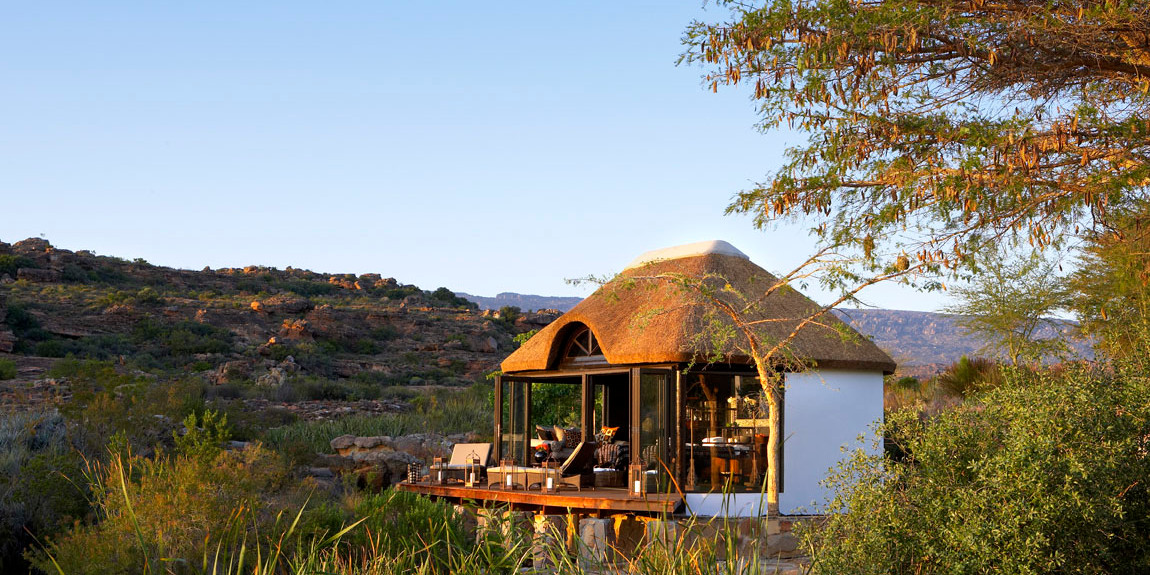
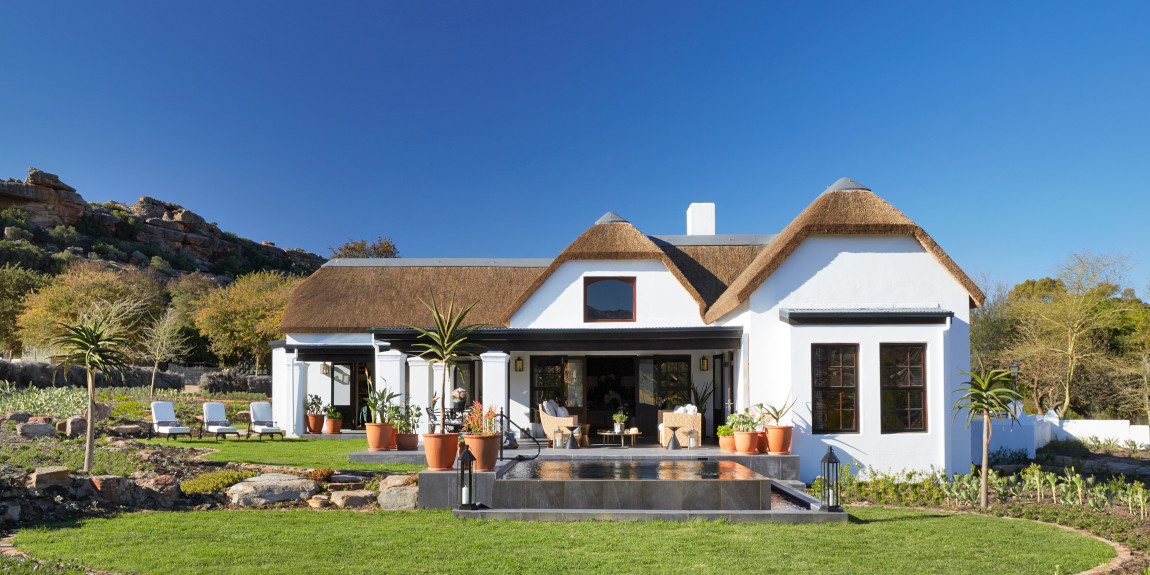
16 rooms & 1 villa in the heart of a nature reserve
HIGHLIGHTS
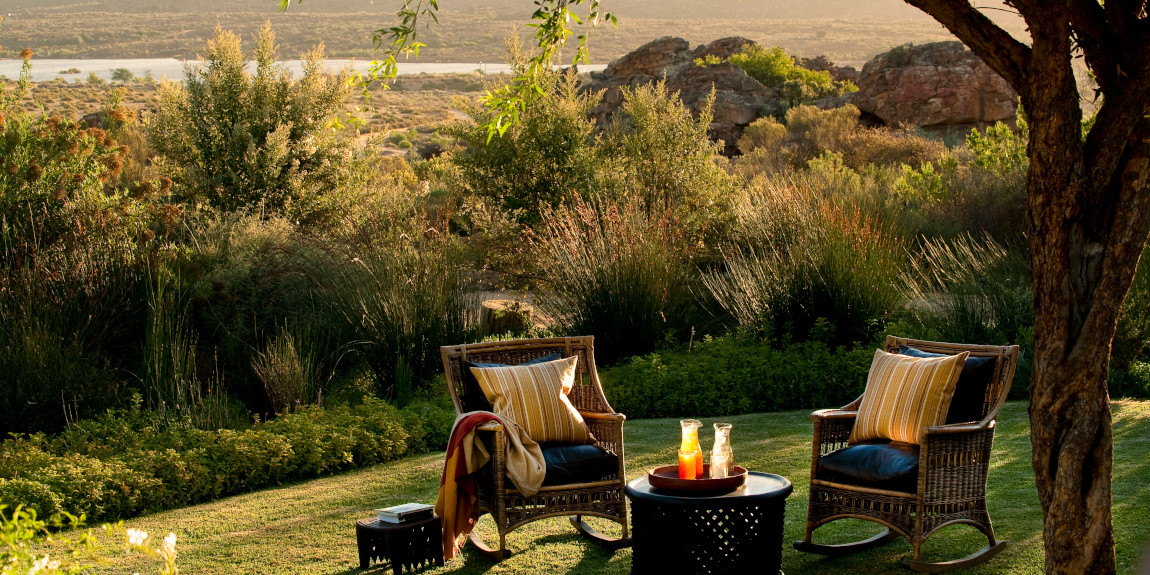
Bushmans Kloof forms part of the Cape Floral Region and is home to numerous endemic species
Bushmans Kloof
Bushmans Kloof
Bushmans Kloof
Bushmans Kloof
Bushmans Kloof
Bushmans Kloof
Bushmans Kloof
Bushmans Kloof
Bushmans Kloof
Bushmans Kloof
Bushmans Kloof
Bushmans Kloof
Bushmans Kloof
Bushmans Kloof
Bushmans Kloof
Bushmans Kloof
Bushmans Kloof
Bushmans Kloof
Bushmans Kloof
Bushmans Kloof
THE EXPERIENCES
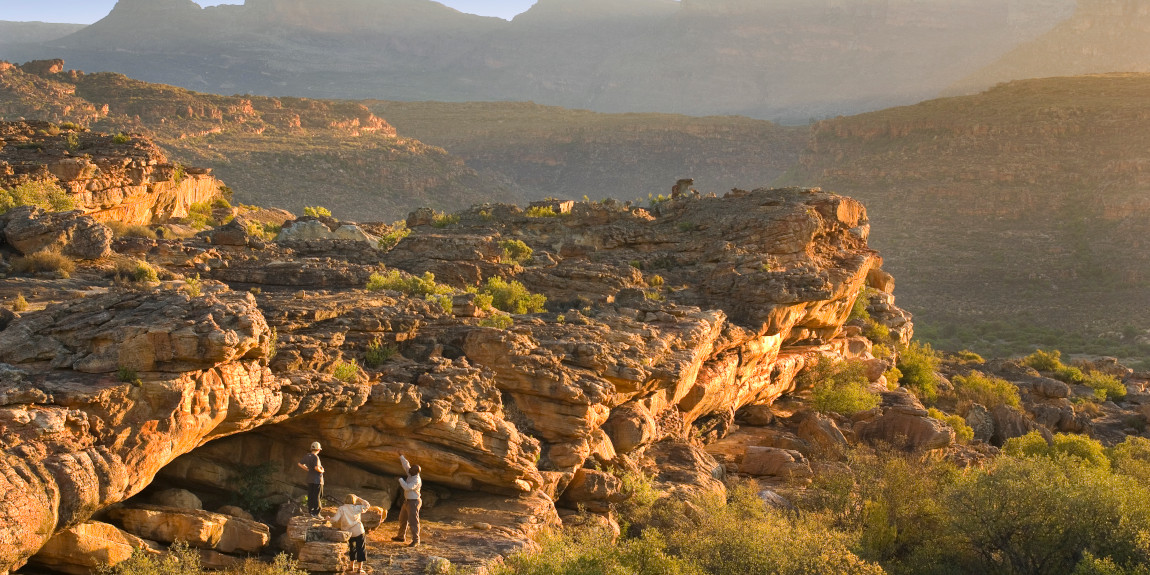
- Visit to rock art sites
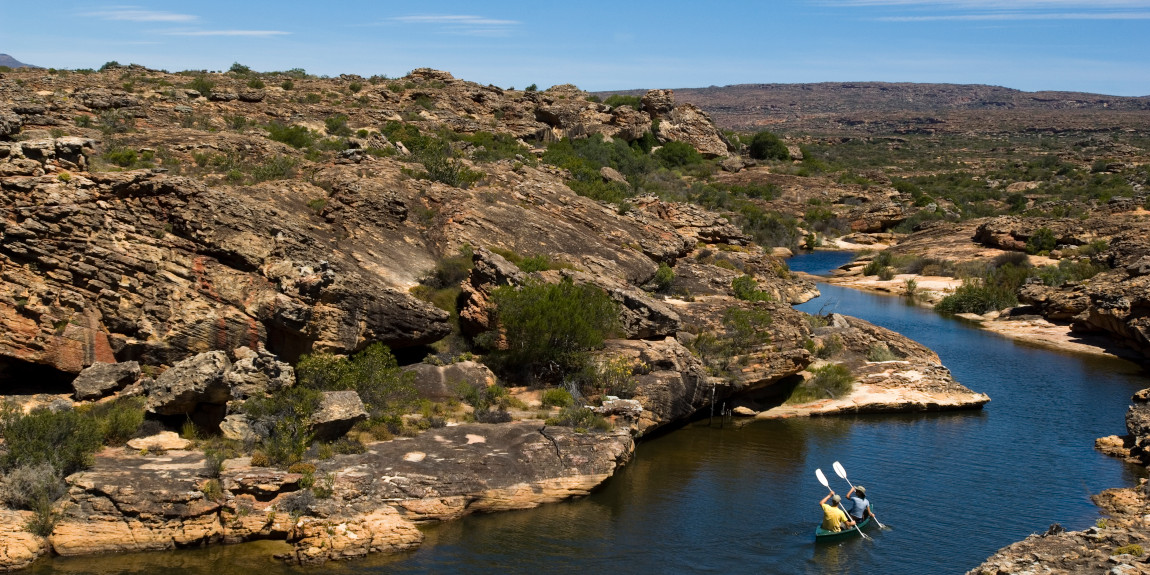
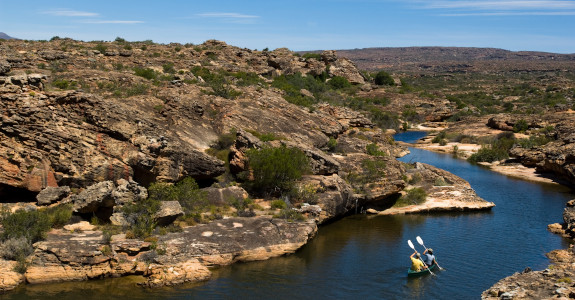
- Hiking, mountain biking, canoeing, fly fishing, archery, croquet
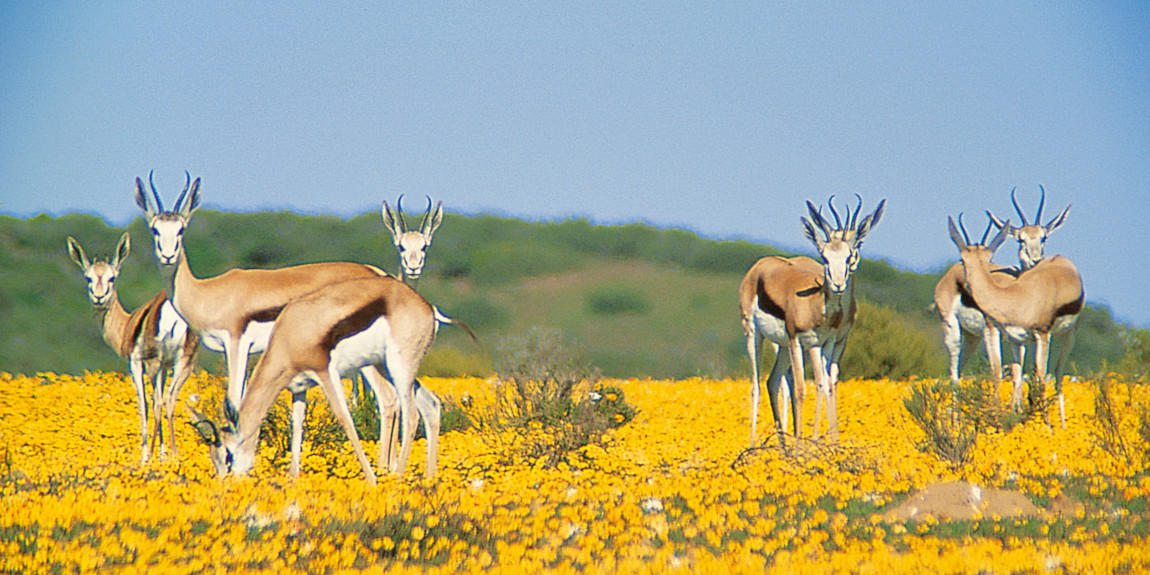
- 4x4 and walking safari (birdwatching, wildlife viewing, and spotting the 755 species of plants)
- Spa
- Organic garden tour
THE EXTRAORDINARY
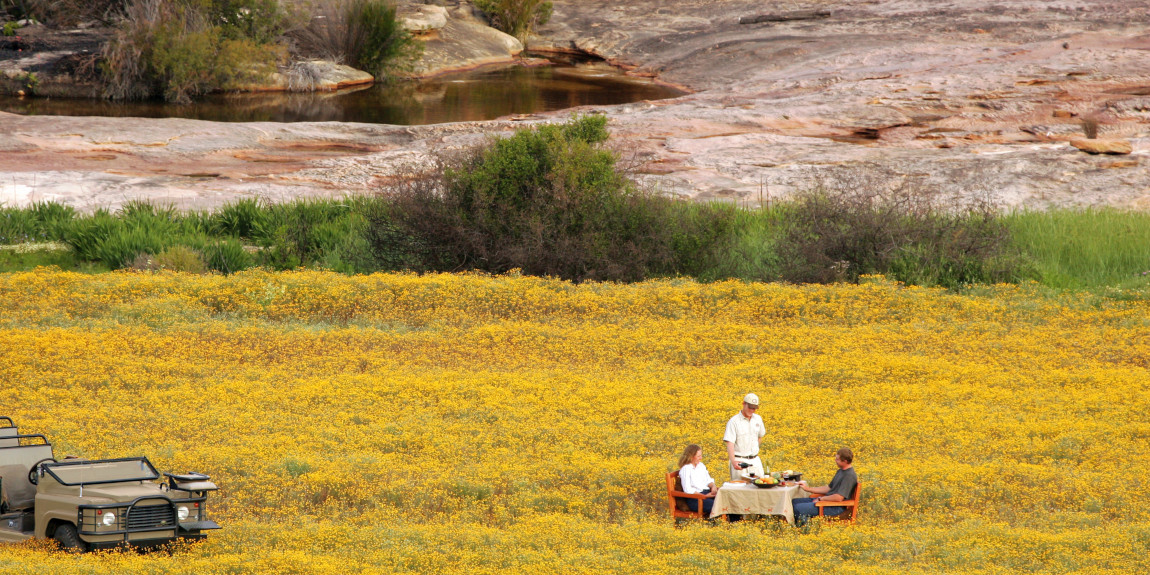
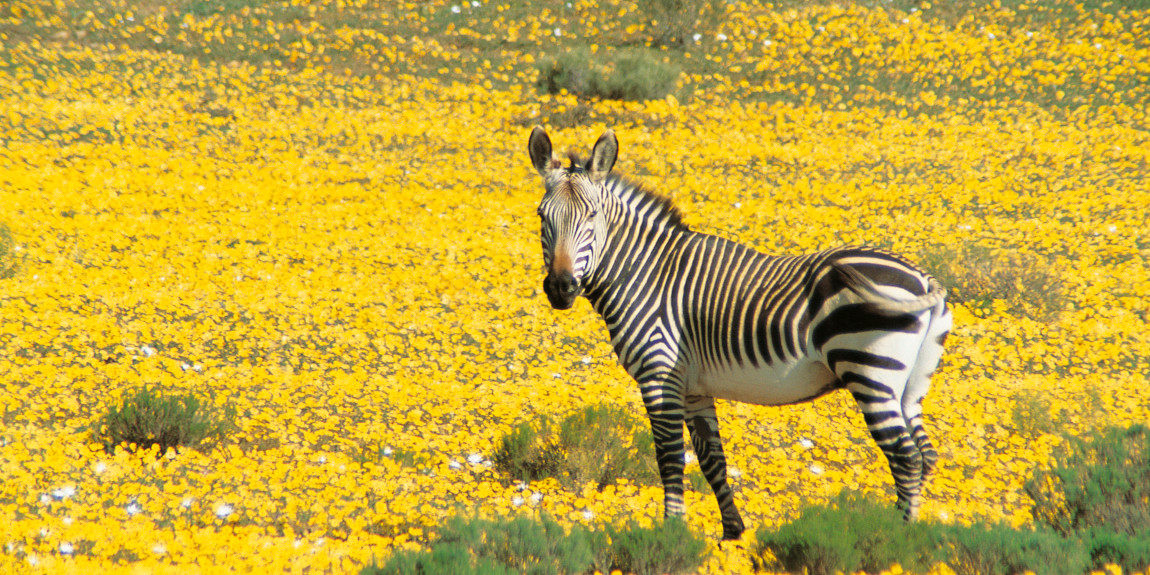
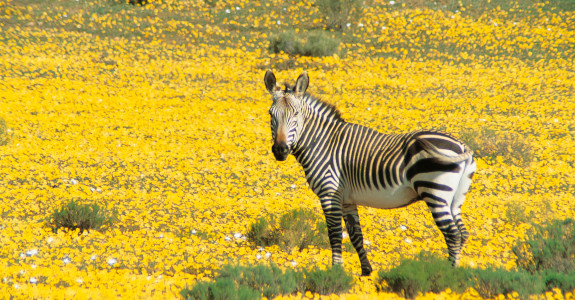
Depending on the level of winter rainfall, the veld in the Cederberg mountains region can become covered with a spectacular carpet of flowers between July and October. The botanical treasures of the Bushmans Kloof private reserve include 755 plant species, of which 7 are unique to the world, such as the aloe comosa and the protea cryophila.
ETHICS
The Bushmans Kloof reserve, established in 1991, took more than 6 years to regenerate thanks to a vast management programme involving the eradication of alien plants, the removal of sheep, the replanting of hundreds of endemic species, and the reintroduction of animals such as the mountain zebra. It is a true ecological success story.