
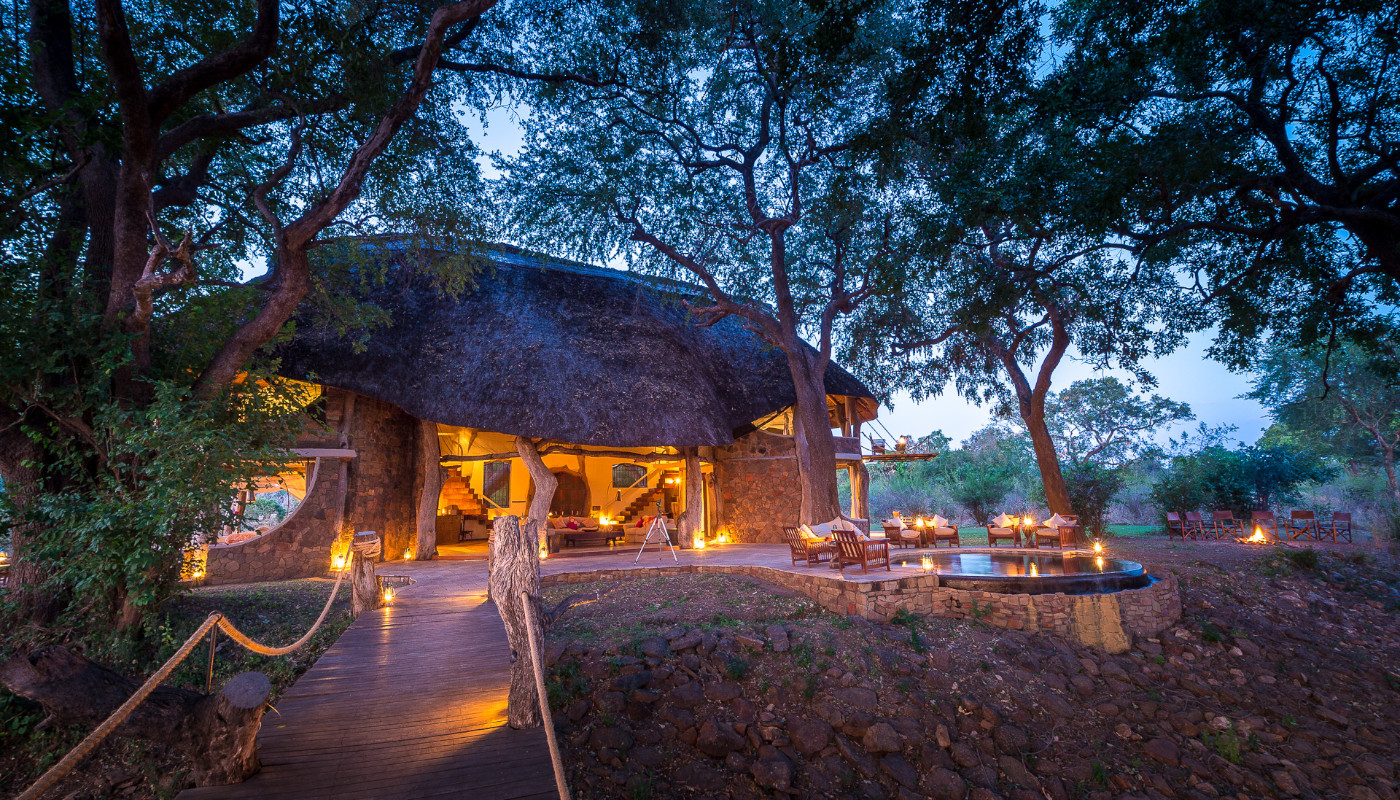

Private house in the bush
STYLE
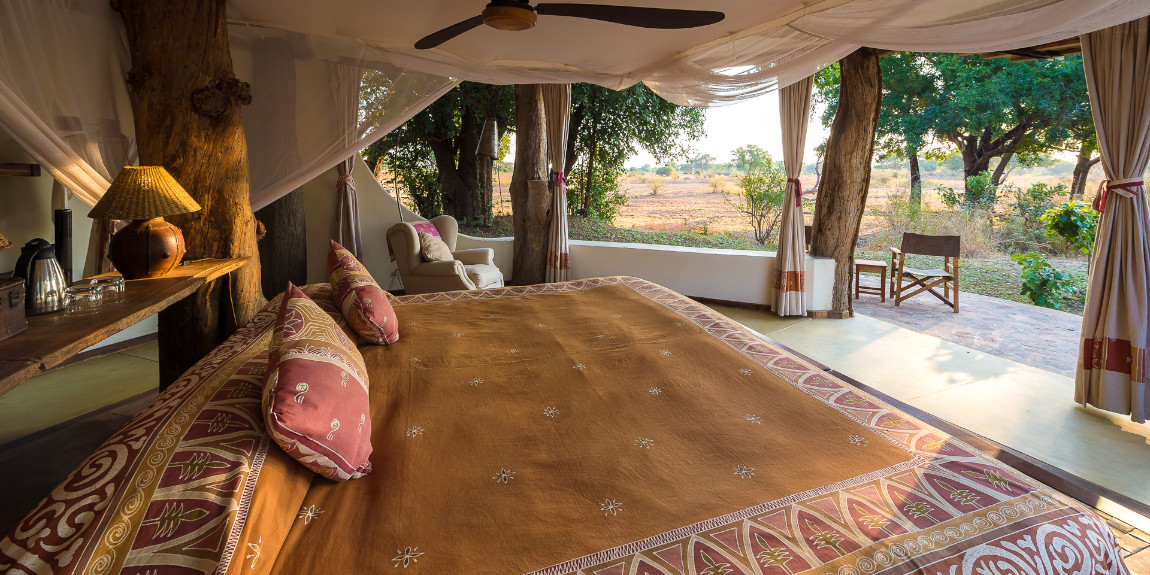
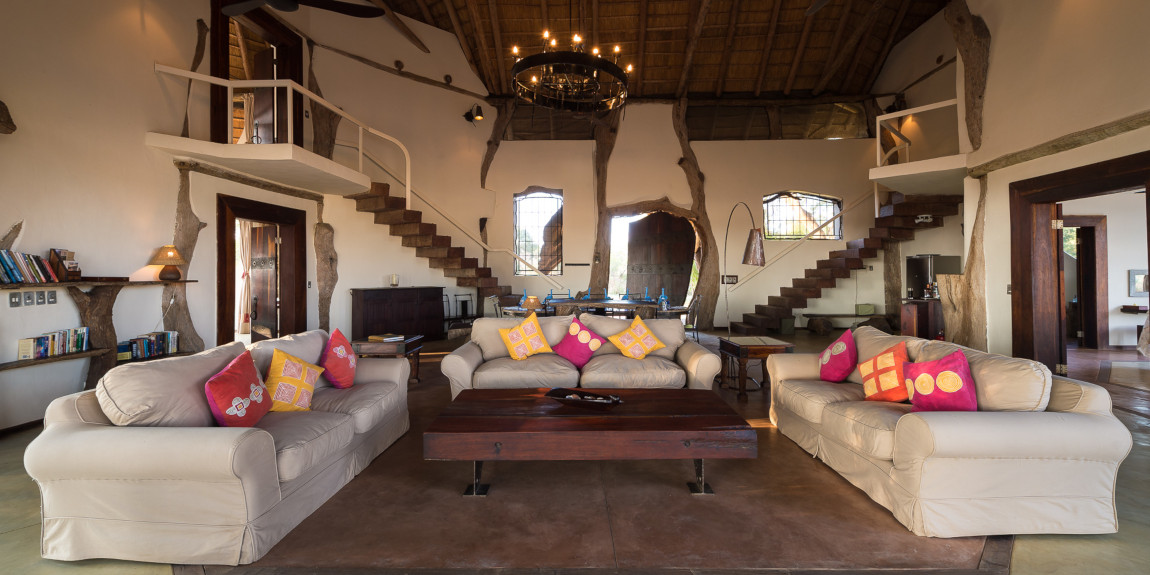
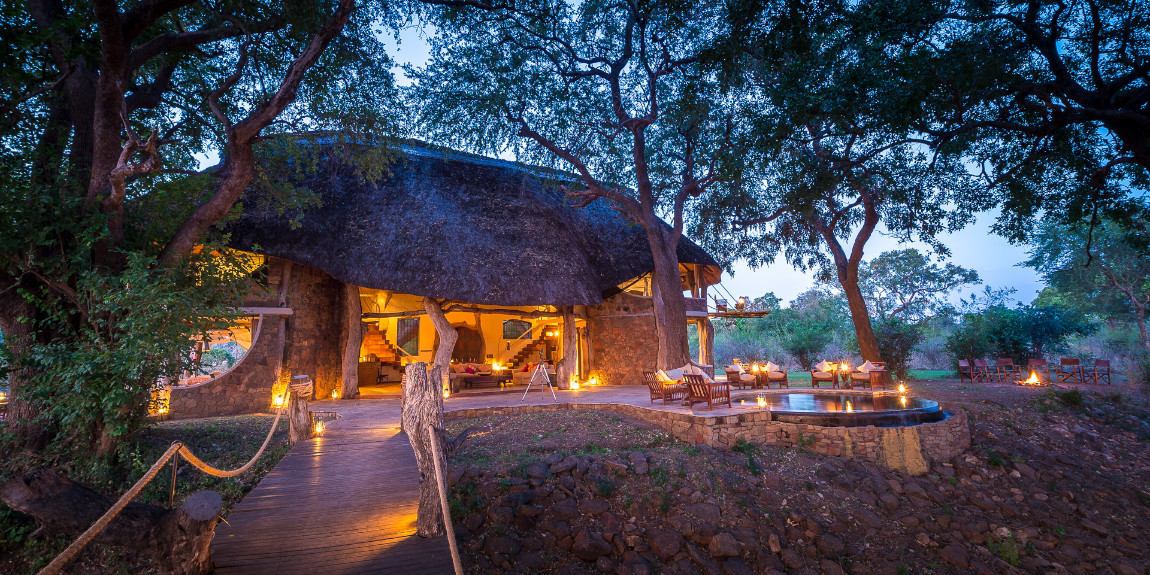
Very African ethnic vibe, making extensive use of wood and natural stone
SITUATION
A 1 hour 15 minute domestic flight from Lusaka, to the east of the South Luangwa National Park
CAPACITY
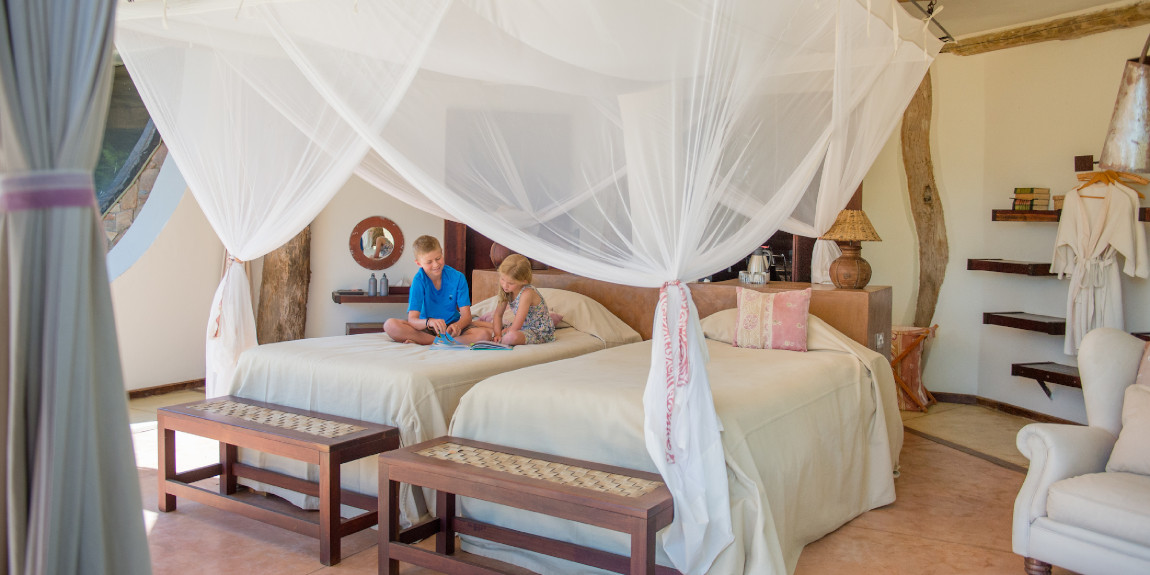
Private 4-bedroom house with swimming pool
HIGHLIGHTS
Architect Neil Rocher designed this villa by integrating the constraints of the plot for a brilliant treehouse-style result
Luangwa Safari House
Luangwa Safari House
Luangwa Safari House
Luangwa Safari House
Luangwa Safari House
Luangwa Safari House
Luangwa Safari House
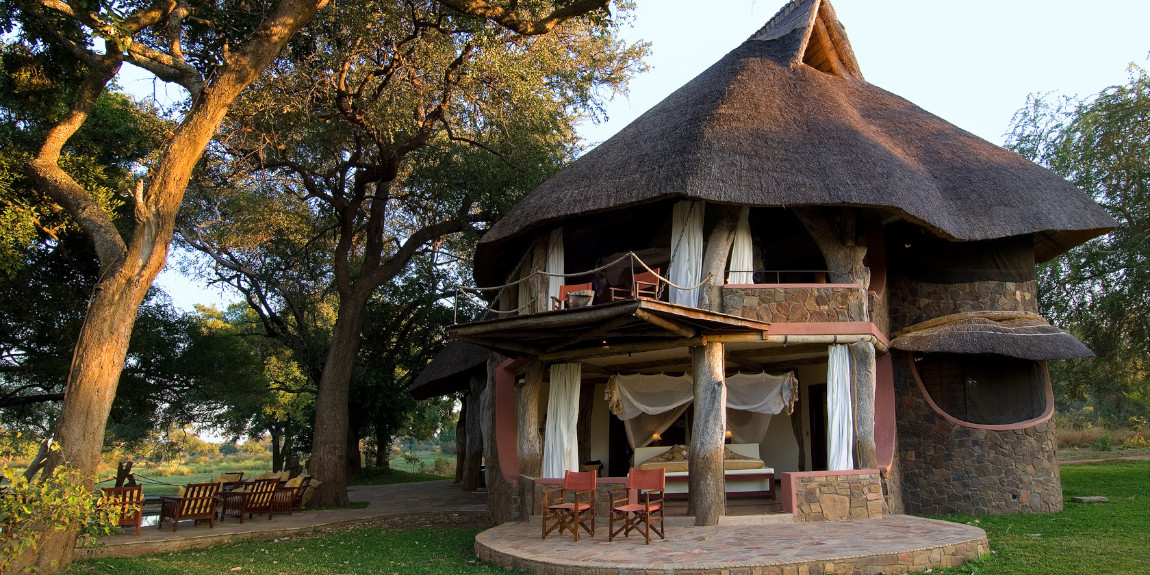
Luangwa Safari House
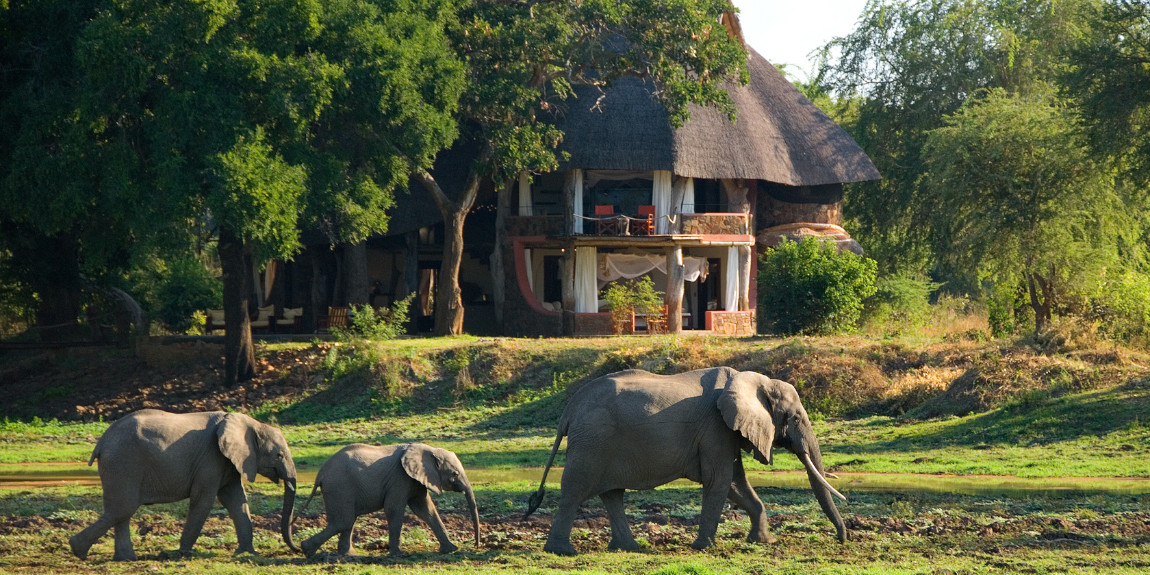
Luangwa Safari House
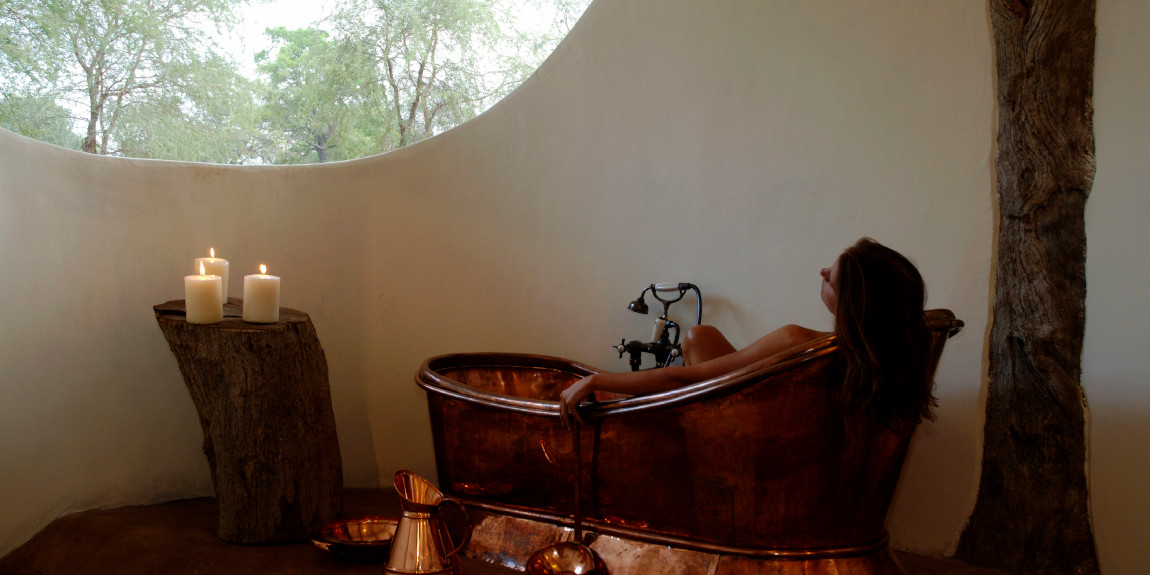
Luangwa Safari House
THE EXPERIENCES
- Swimming pool
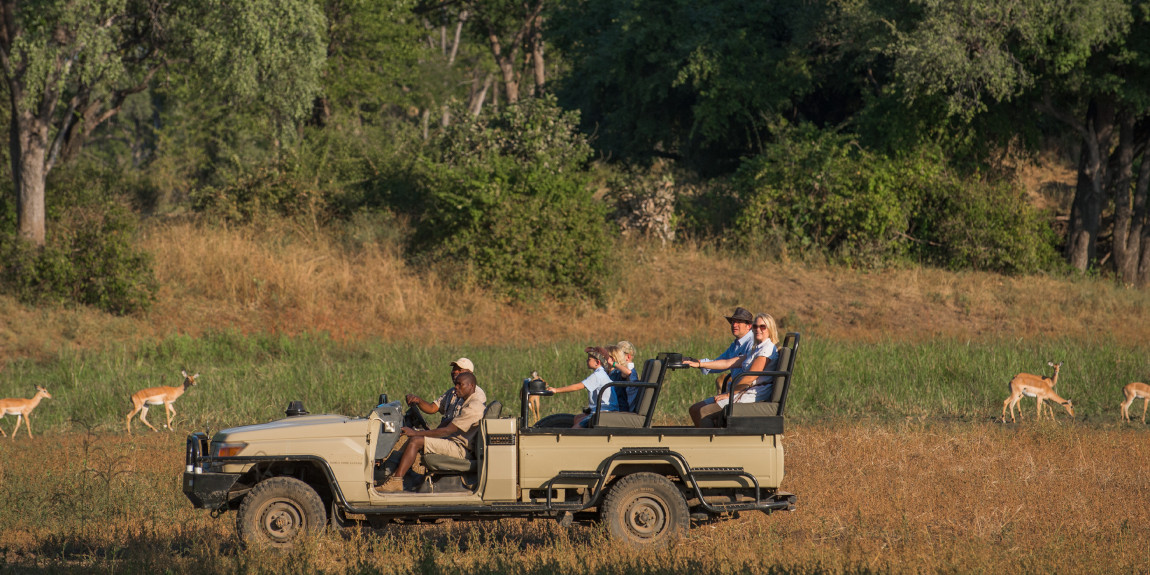
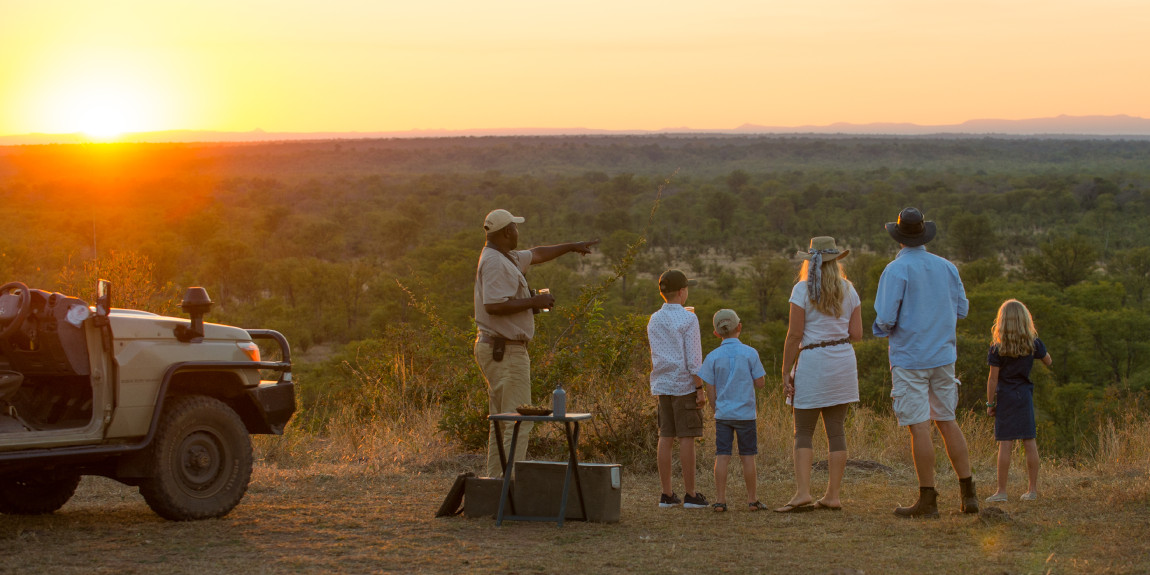
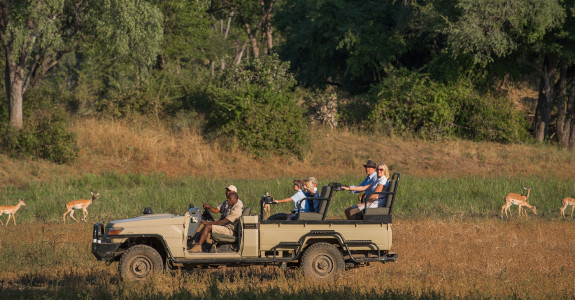
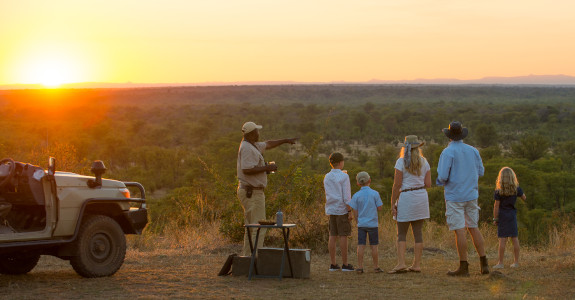
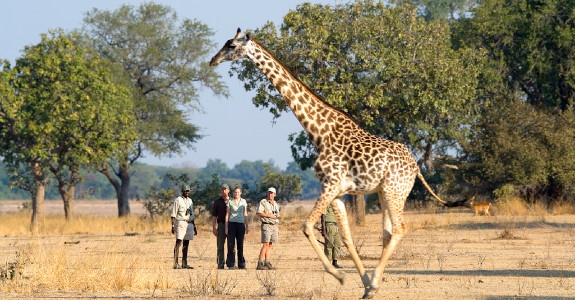
- Day and night 4x4 safari, guided walking safari, seasonal boat safari
- Village tour, visit to a local textile factory
THE EXTRAORDINARY
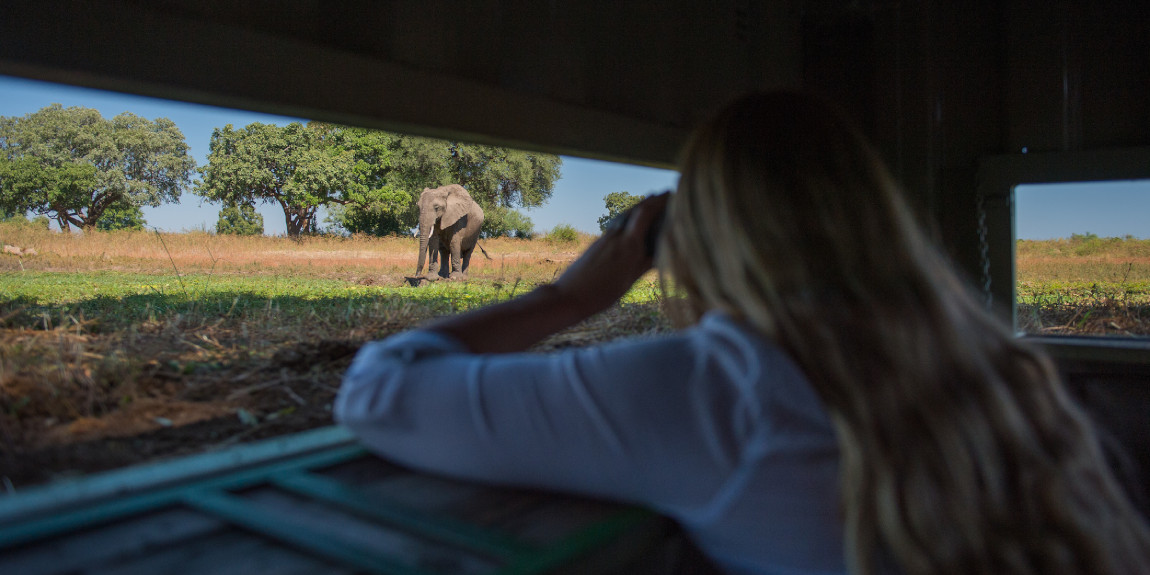
Luangwa Safari House offers the chance to experience the Zambian bush in exceptional conditions, with friends or family. Each of the 4 suites is an invitation to journey into the very heart of a magical region, famous for its walking safaris. You will certainly appreciate the walkway leading to your private wildlife-viewing platform...
ETHICS
Robin Pope Safaris' ethical approach is comprehensive: financial support for the conservation of the valley, a local clinic and Kawaza school; employment of a majority of local staff who receive training; reduction of carbon emissions and polluting waste; respect for the natural site and purchase of local produce.