
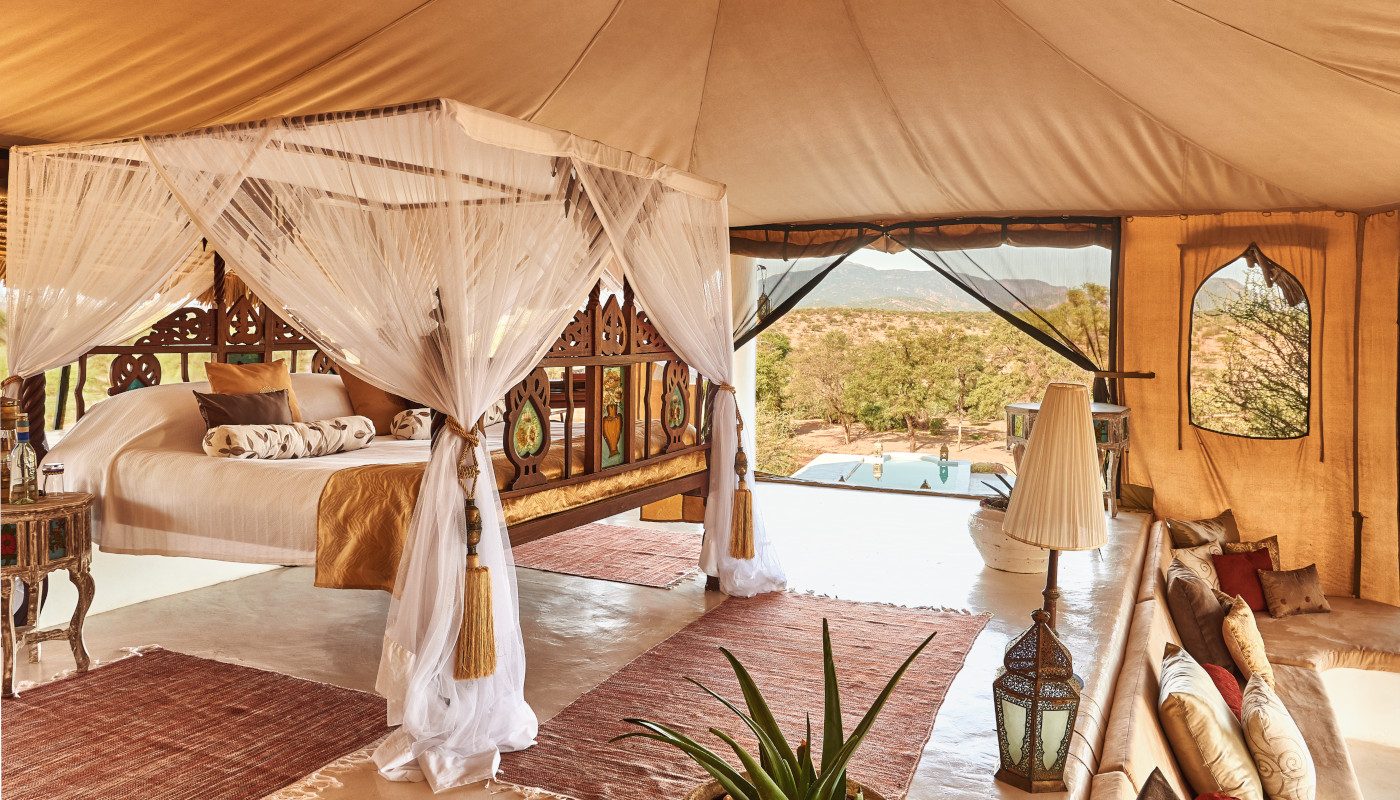

Sasaab, Eastern reverie
STYLE
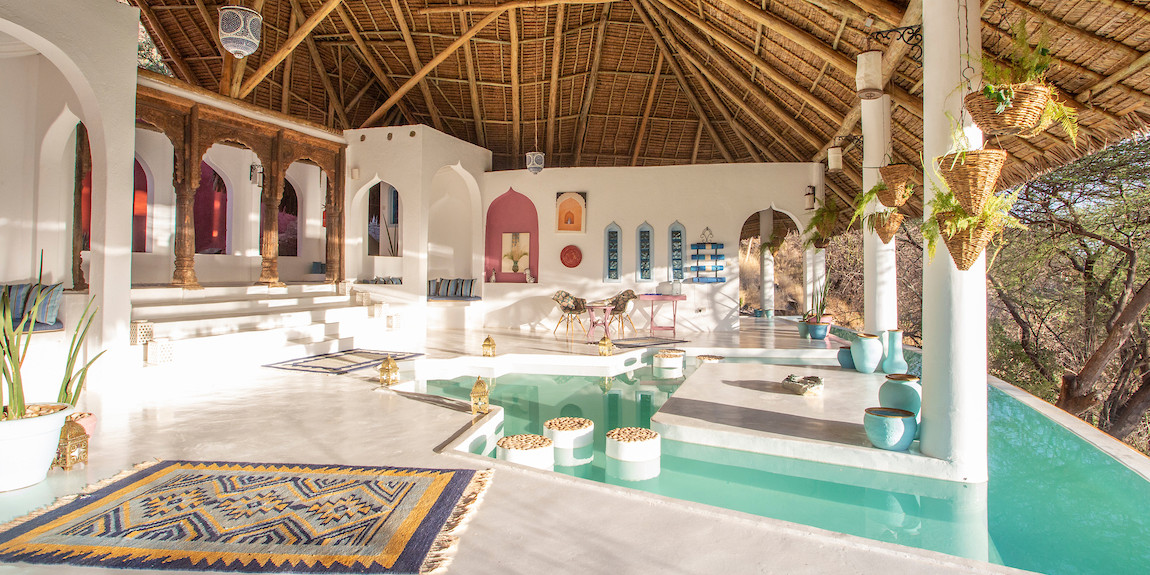
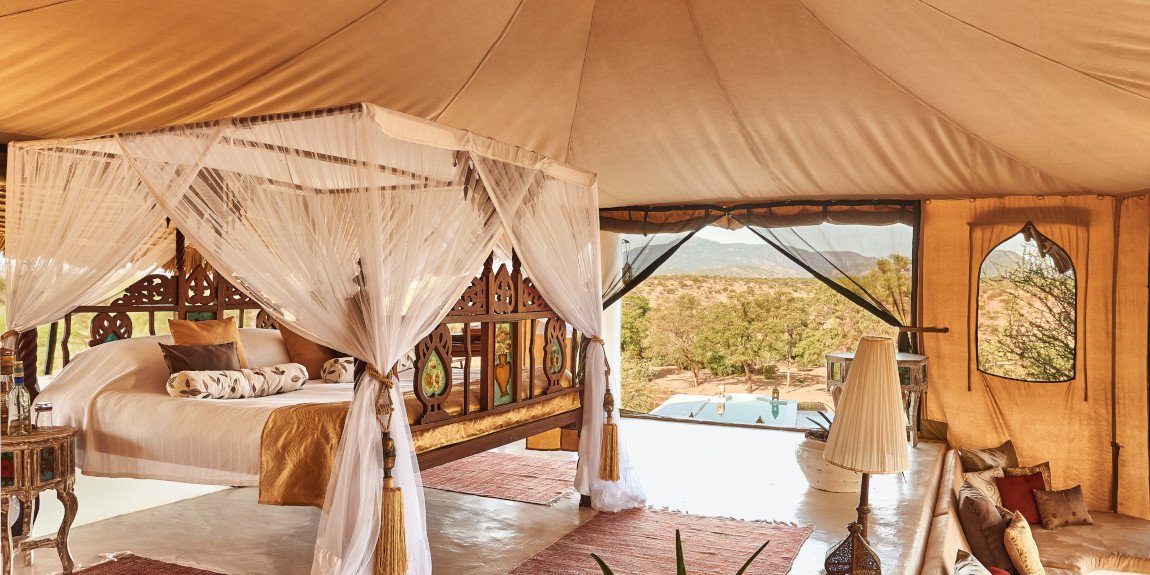
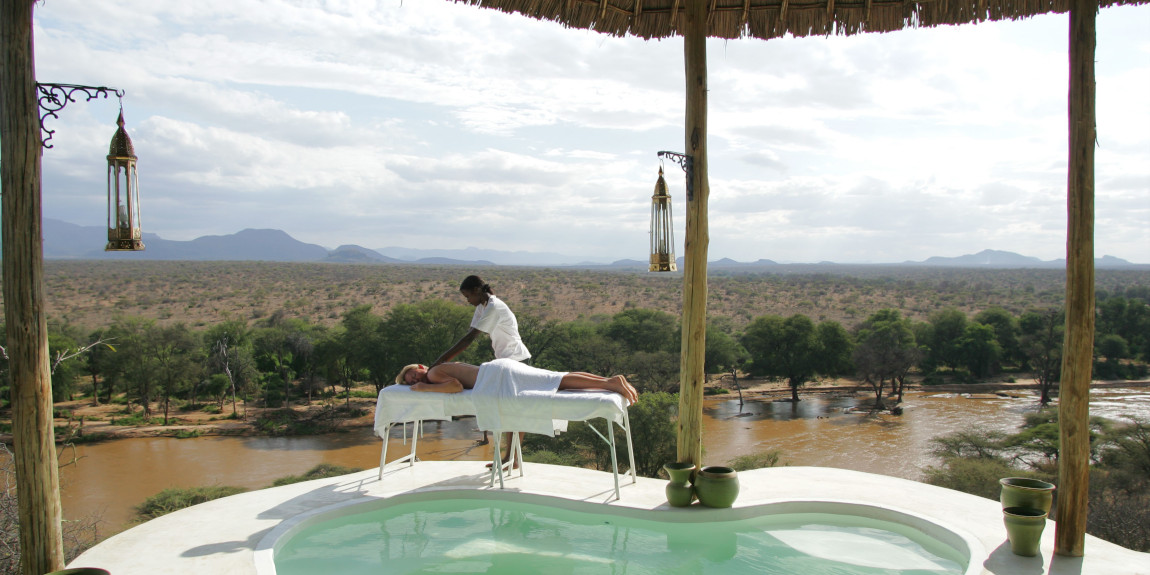
Moroccan-inspired cottages blending to perfection with Swahili decoration
SITUATION
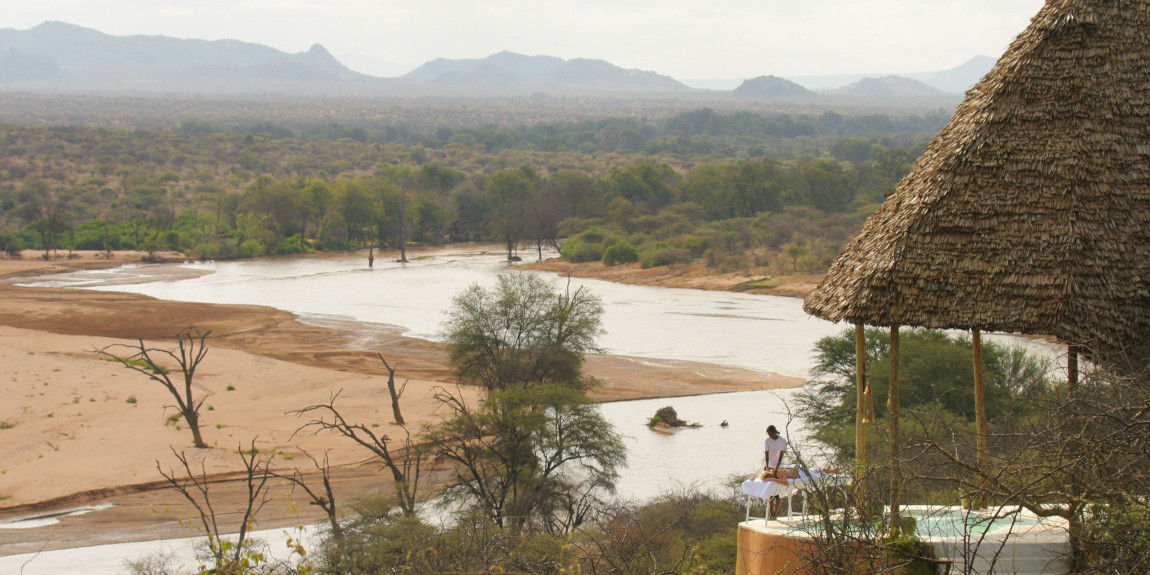
In the south-west of the Samburu country
CAPACITY
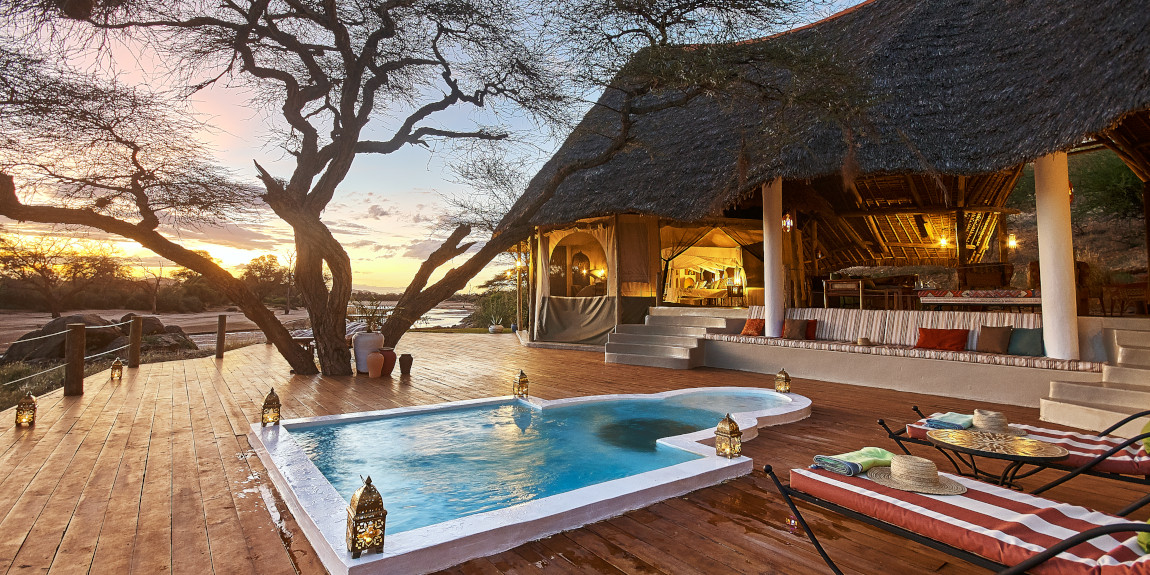
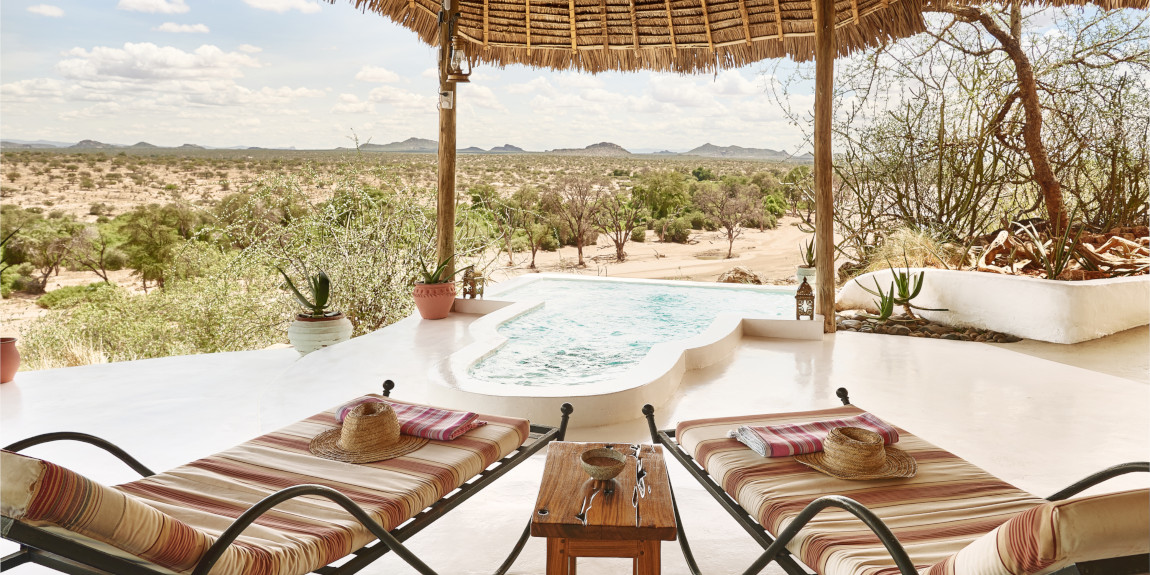
9 spacious cottages open to nature with a small private pool
HIGHLIGHTS
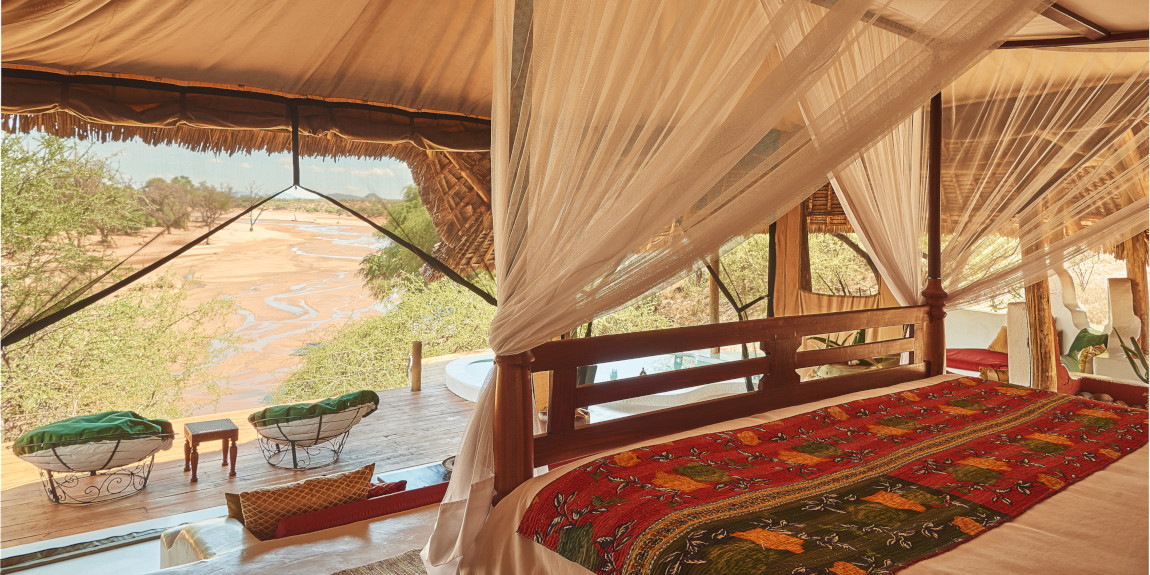
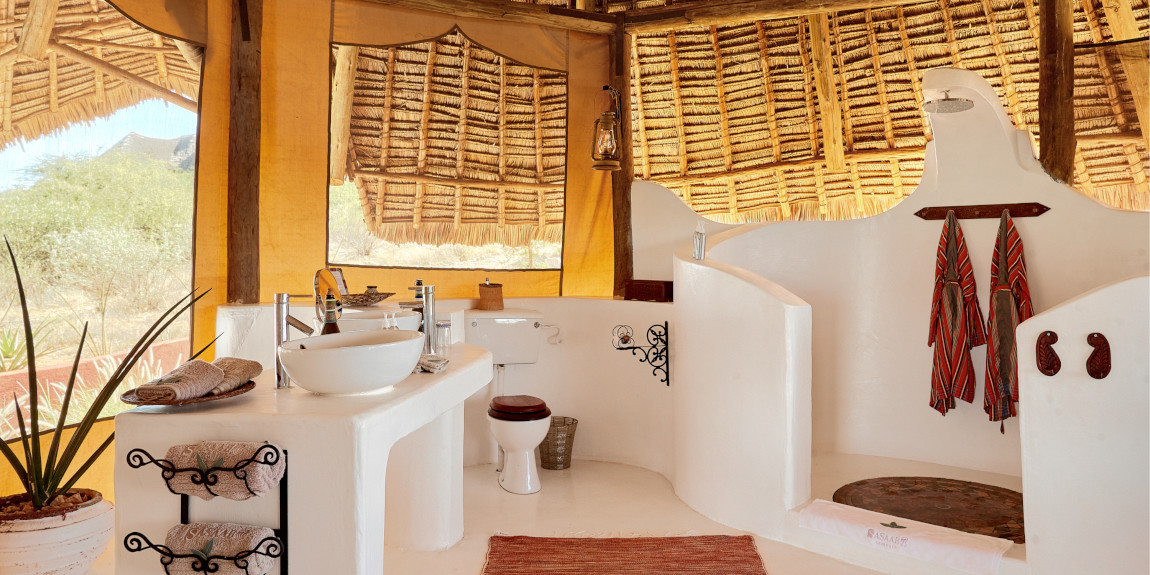
The architecture of the lodge is truly unique, being a mix of open spaces, delightfully decorated, letting nature take pride of place
Sasaab
Sasaab
Sasaab
Sasaab
Sasaab
Sasaab
Sasaab
Sasaab
Sasaab
Sasaab
Sasaab
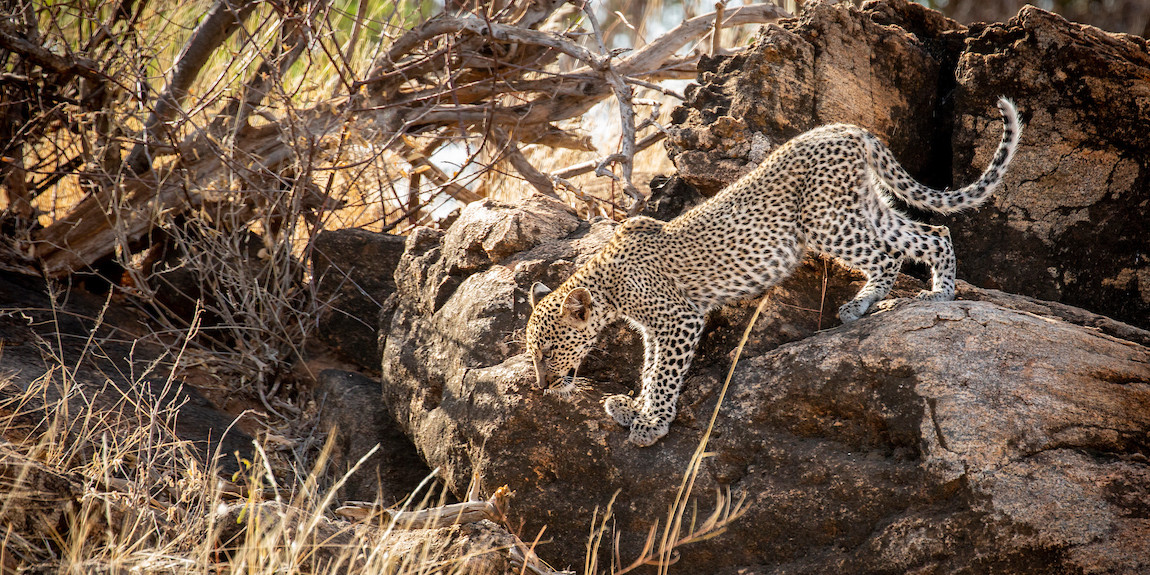
Sasaab
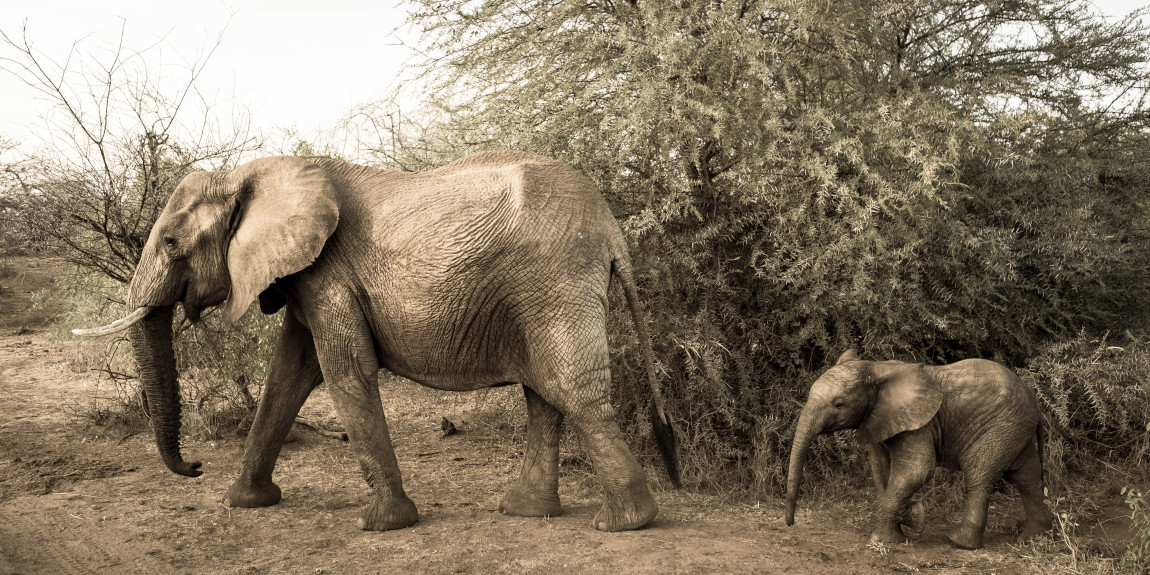
Sasaab
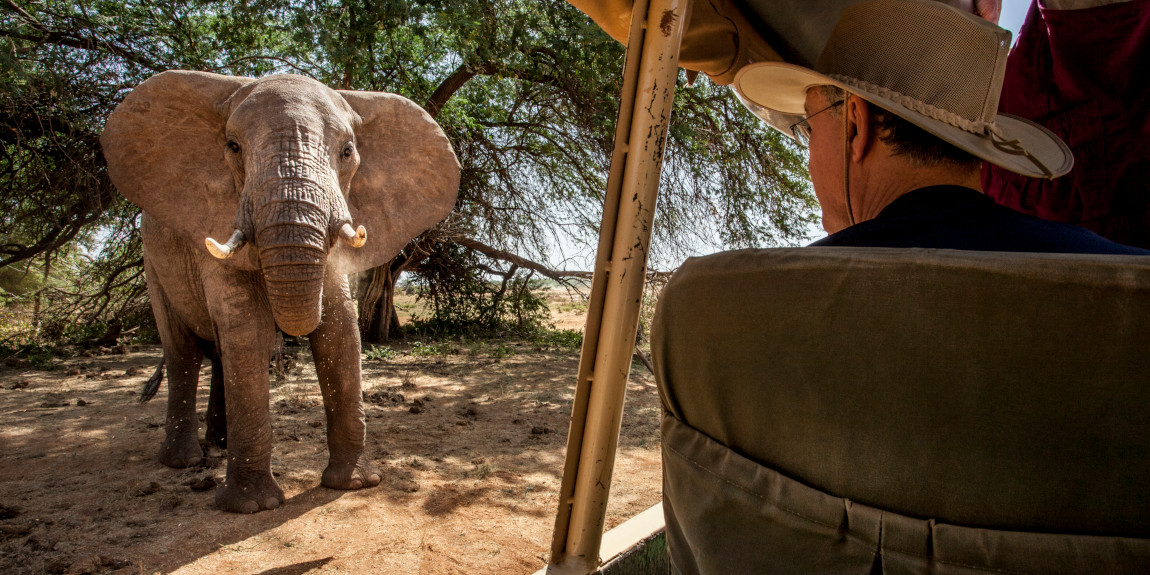
Sasaab
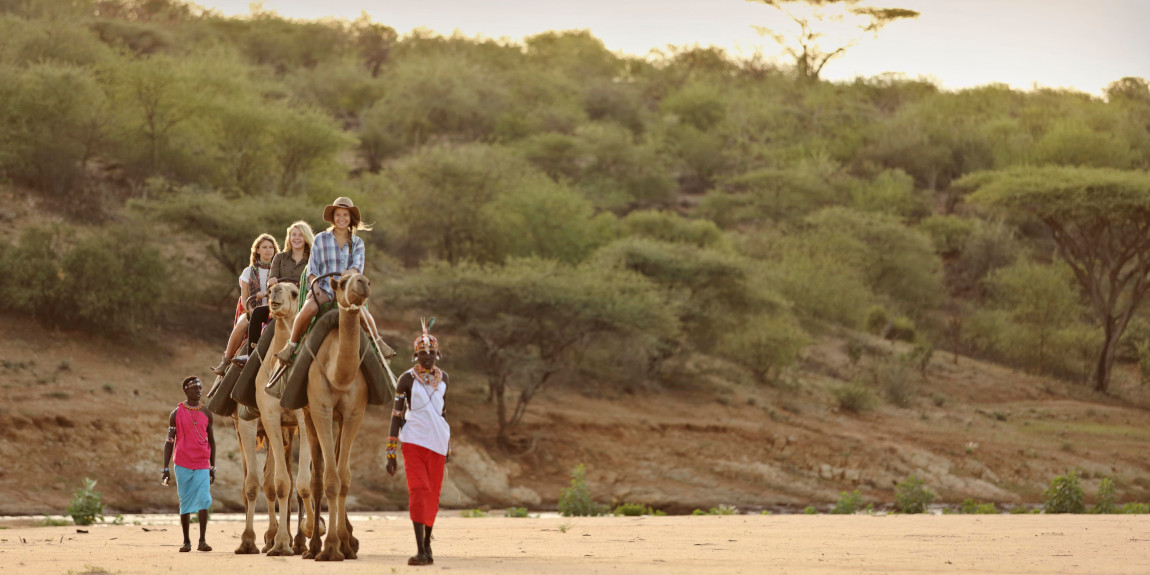
Sasaab
Sasaab
THE EXPERIENCES
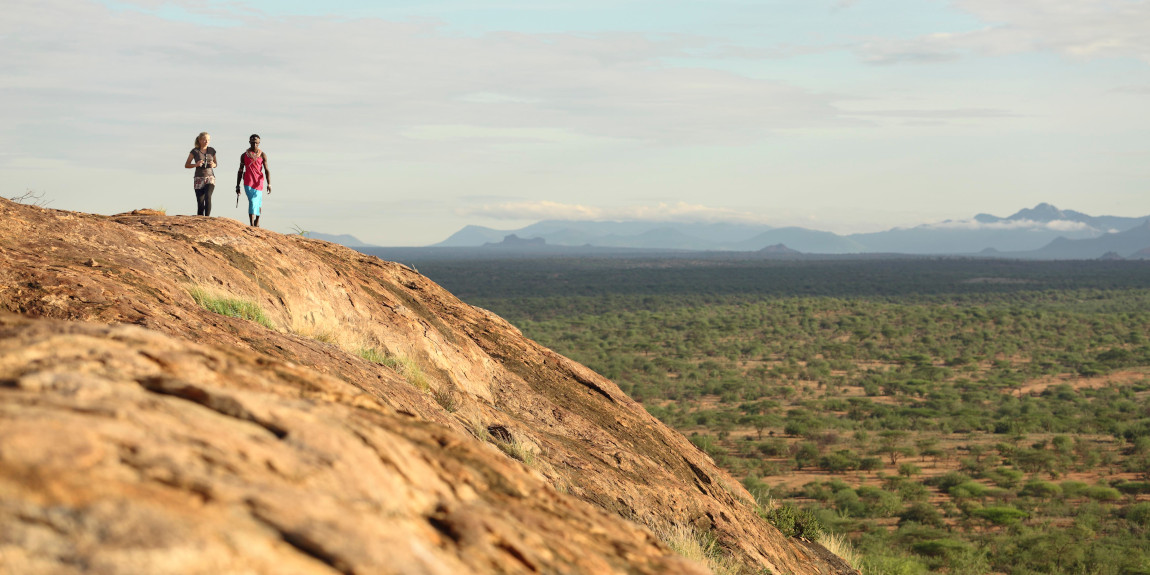
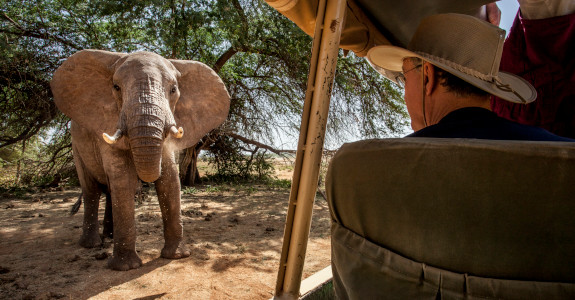
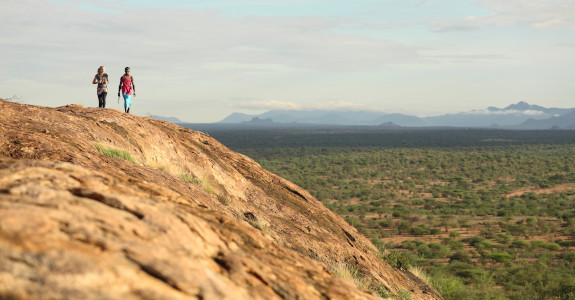
- 4x4 safari, walking safari, camel safari
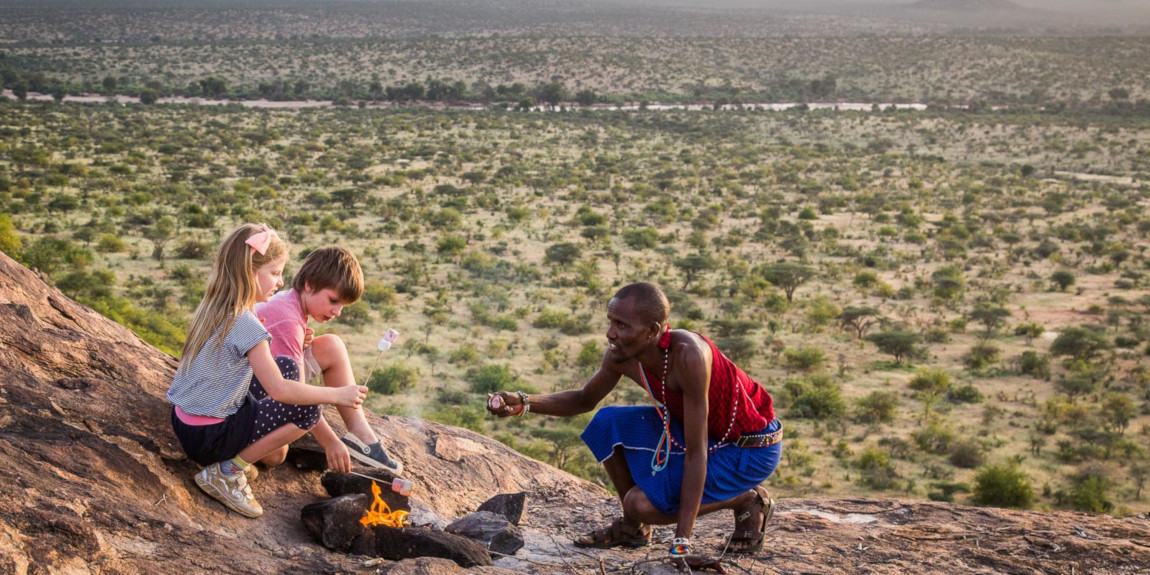
- Drinks on a rock with a panoramic view
- Fly camping (optional)
- Village tour, market tour
THE EXTRAORDINARY
For an extraordinary experience, book 1 to 2 nights of fly camping. You will combine a walking safari with a night under the stars far from civilisation, in an extraordinary natural environment. It is the best way to discover the bush and interact with your guide, who will be delighted to share their knowledge and culture with you.
ETHICS
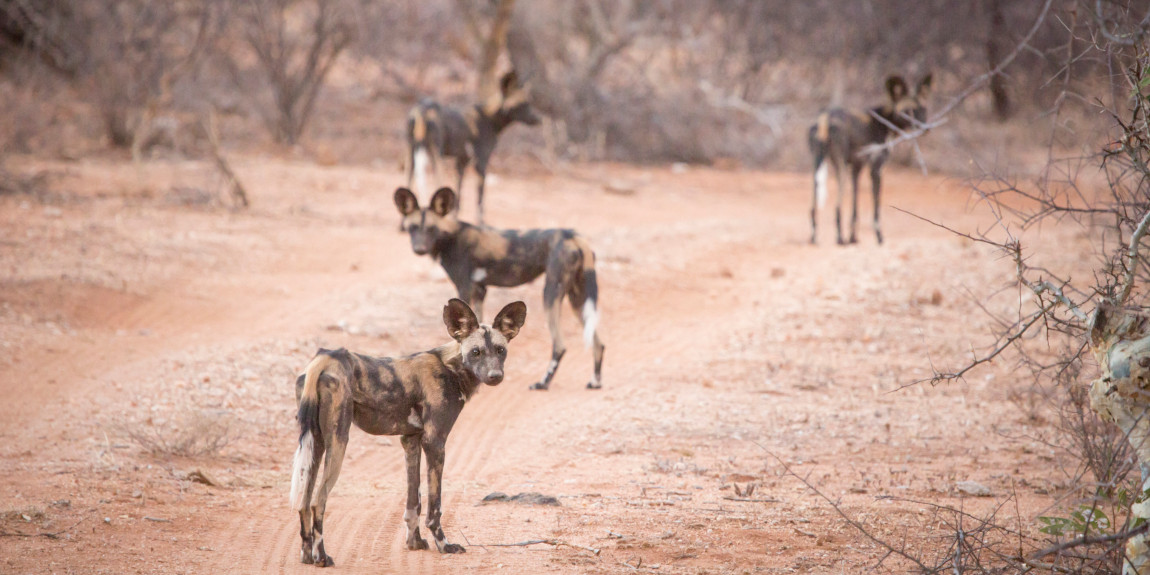
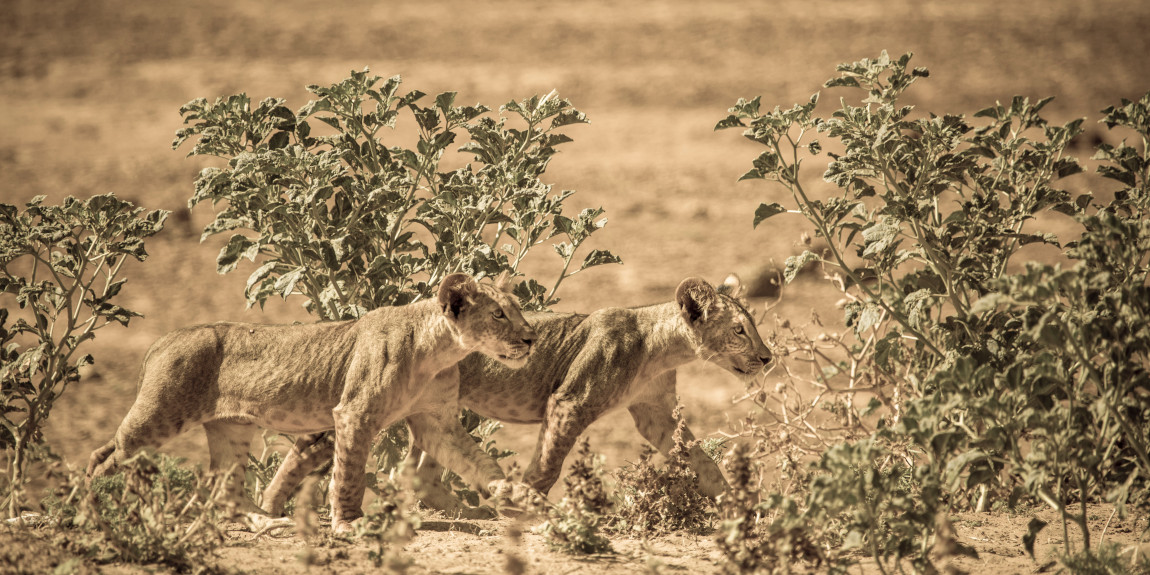
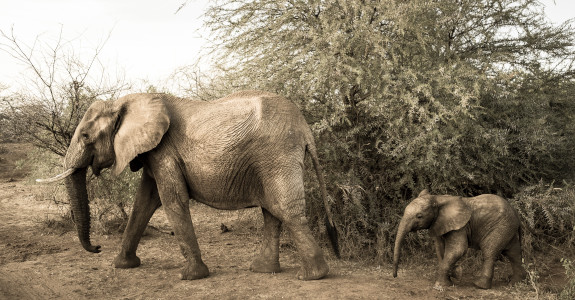
The Safari Collection is committed to the conservation of animal species (Grévy’s zebras, giraffes, tortoises, predators, pangolins, rhinos), supporting local communities (75% for local staff, healthcare, access to water, women’s employment, education) and environmental protection (water treatment, solar energy, waste recycling, etc.).